Photography #13
Matsuri

Matsuri in Japanese simply means festival. These festivals are scattered throughout the year; however, the summer matsuri can be some of the largest and most festive with grand floats and parades, as well as fireworks. These events are lively, energetic, joyful, and pull in large swaths of the city to participate and/or spectate. The traditions and history for these can vary widely, from the tame celebration of city founders to the more comical Kanamara “Penis” matsuri where a large phallus statue is paraded down the street (sexual health, fertility, and safe childbirth).
A key element to matsuri is that there is strong community participation in these events. Skills and volunteer work from thousands of citizens are drawn on for months in advance. I got the sense from talking with locals that a plurality of people at some point in their life have taken part in a matsuri.
When visiting Yamagata with friends, we heard from them about the summer matsuri, which is the largest event of the year. Today, Shinjo is much smaller than at its peak and is maybe now 30-40K people; however, the matsuri draws an estimated 500K people that travel in from across Japan to return to their hometown and celebrate.
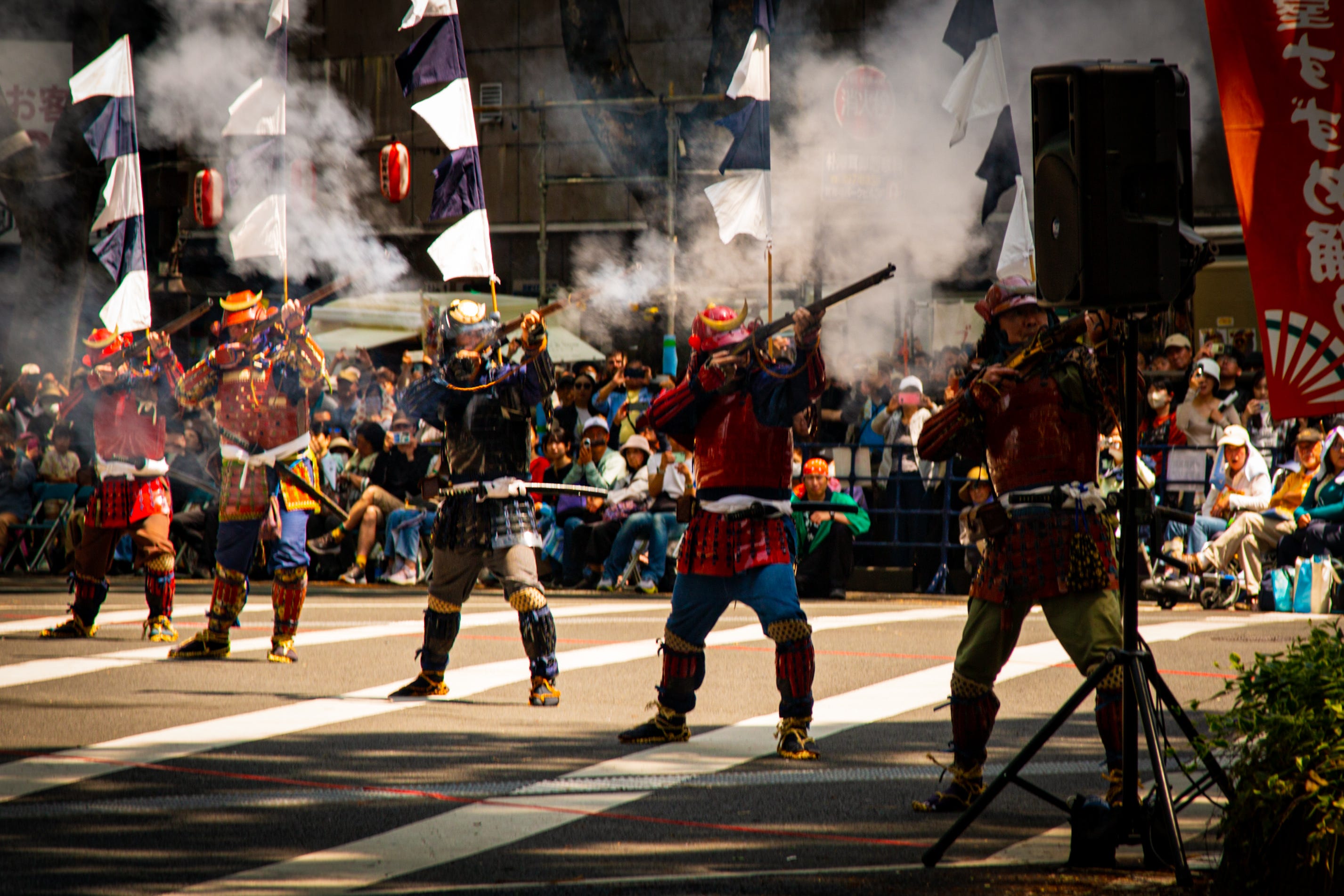
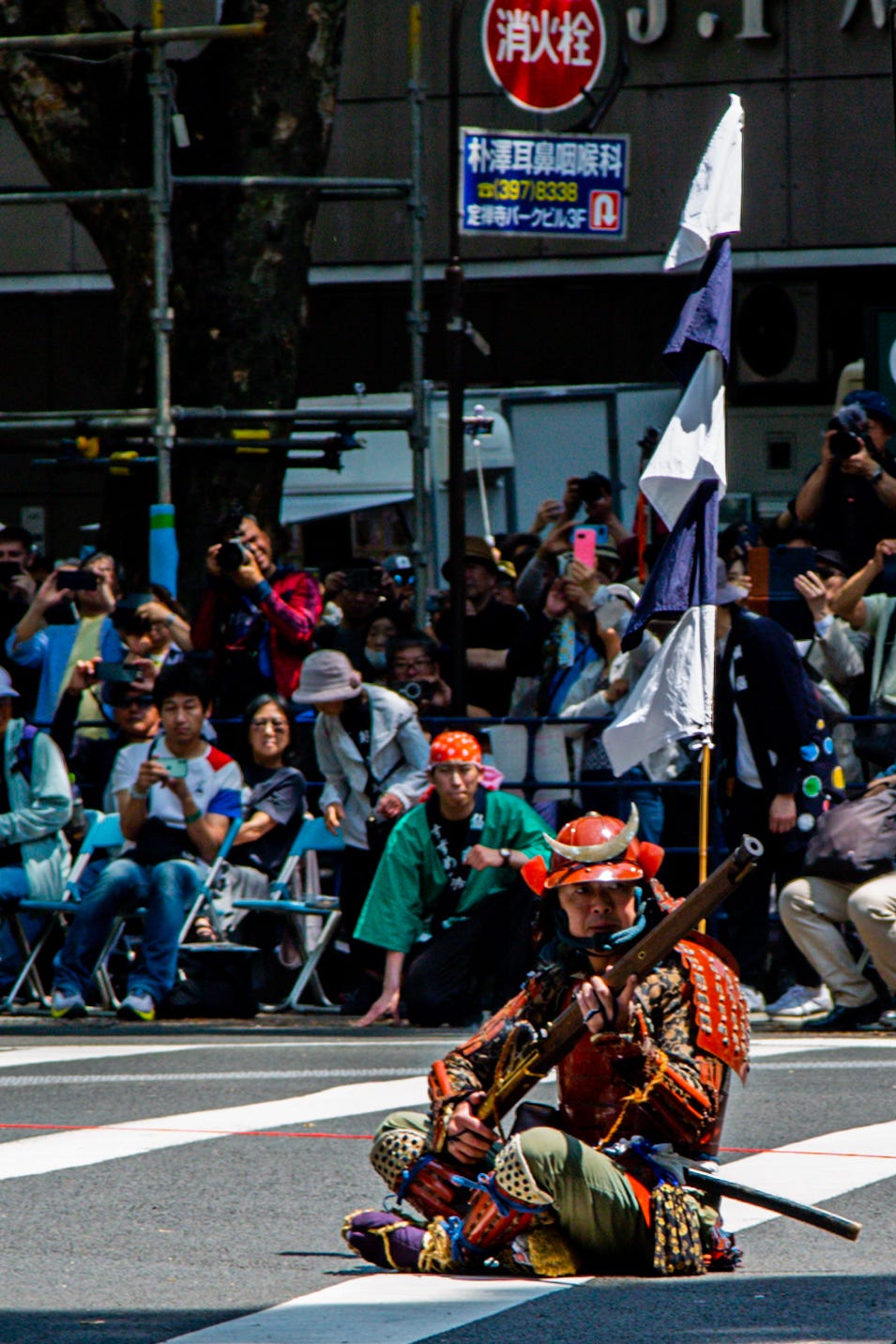
Capturing the matsuri on camera was quite difficult! Like a sporting event, everyone is in constant motion and you only have a quick moment to take a photo. Additionally, there are massive crowds everywhere so the window you have to frame a shot is quite narrow and might be through several heads and outheld cameras. So, I was quite happy with several of the photos for this week, but I have a much much longer pile of photos that I had to discard.
Sendai’s Aoba Matsuri
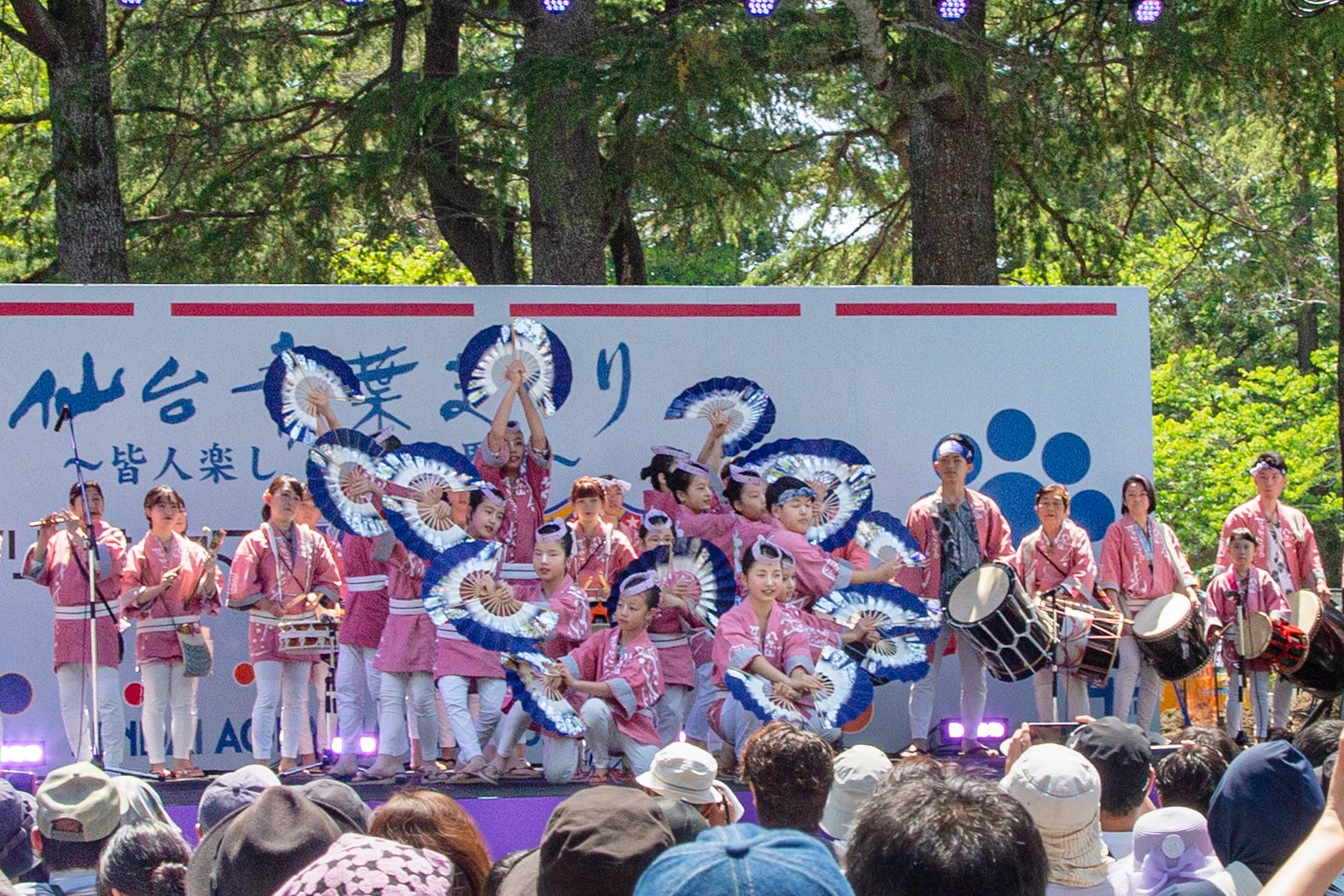
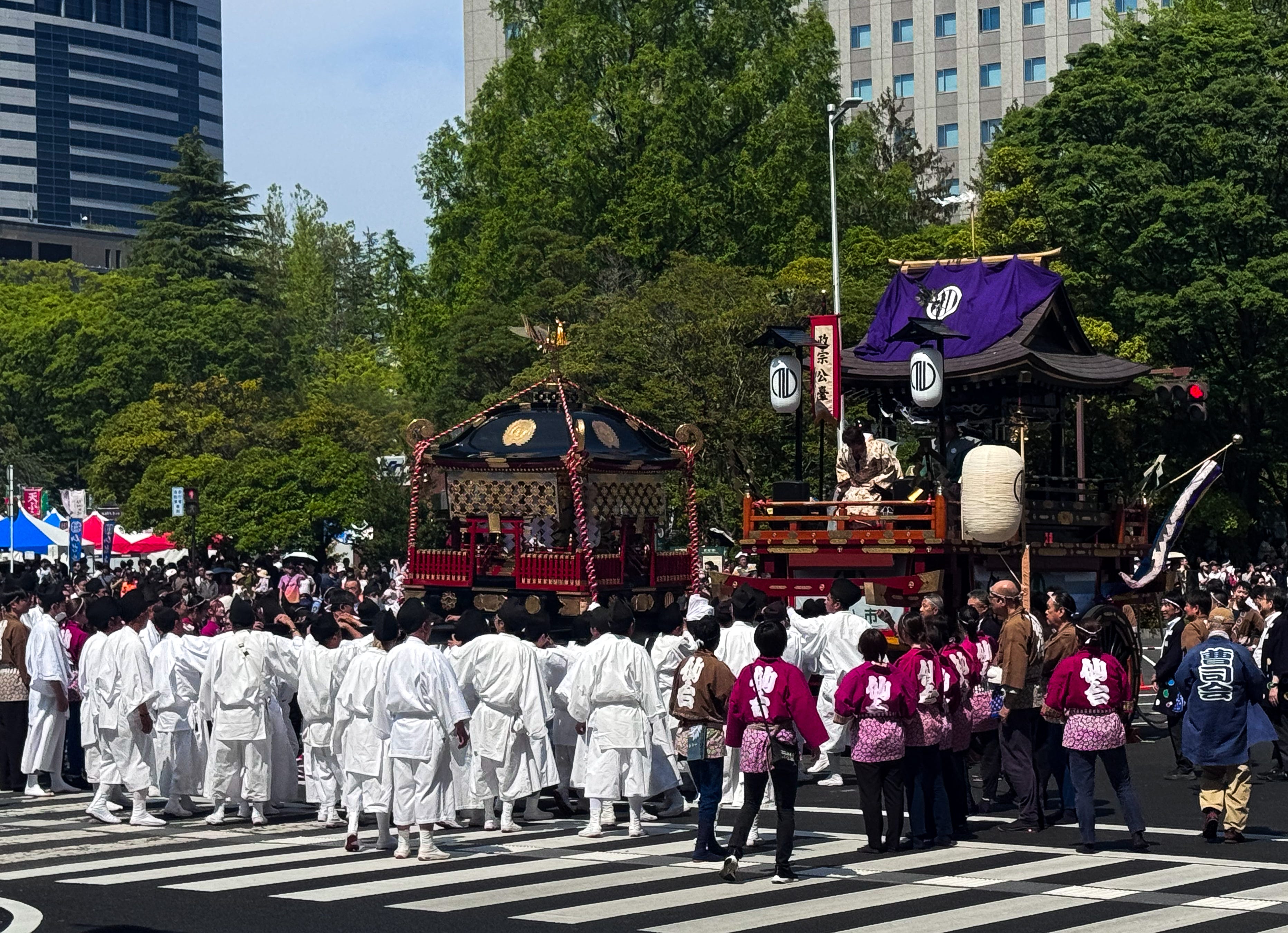
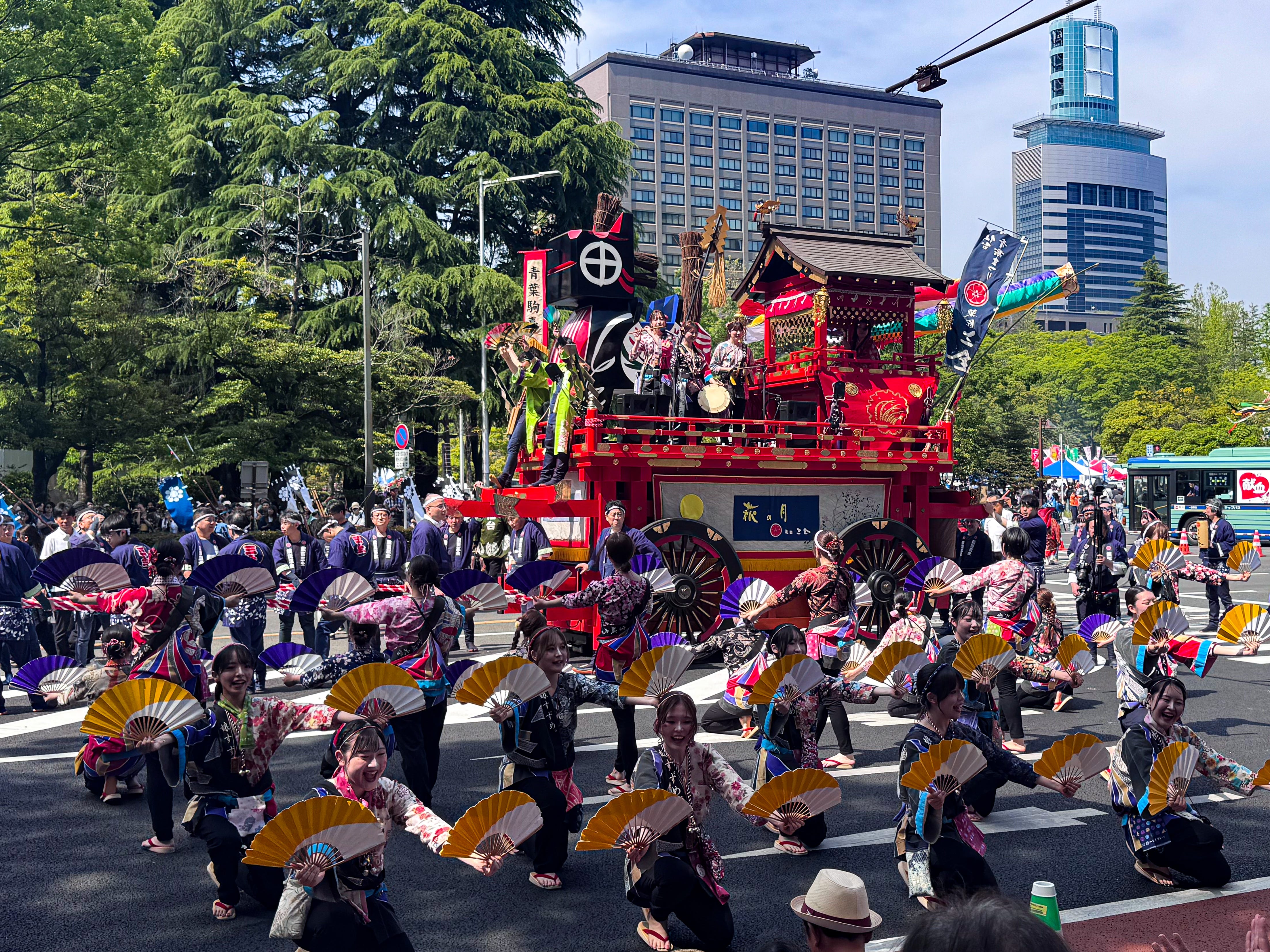
The origin of this festival began 350 years ago with the completion of a shrine during Date Masamune’s life (key founding figure for the city). On the first day, numerous performances and competitions are held among the participants and we saw so many variations of the traditional sparrow dance, ‘suzume odori’.
I saw so many people in Sendai over this weekend and it felt like it drew a lot of people I don’t normally see. Kids as young as 4 or 5 were dressed and following along with the dances, as well as older citizens well into their 70s or 80s could be seen playing flutes and marching along. I read that Tohoku University has a semester-long class where students, Japanese and foreign, can learn the Sendai dances and partake in the festival.
We’ve had dinners with several friends over the past few months, and often, at some point during these gatherings, they will pull up YouTube videos of their prefecture’s matsuri dances. There is immense hometown pride in these performances and after experiencing how alive the city becomes during the matsuri, it is easy to see why these events create such strong memories and emotional bonds to hometown.
The second day was the main event — a large parade down the main, tree-lined street of the city. Thousands of dancers, participants dressed in historic garb, and a dozen floats move through the central district. Walkways filled with families that have set up make-shift seating, and everyone craning their necks to see the action.




Tohoku’s Kizuna Matsuri
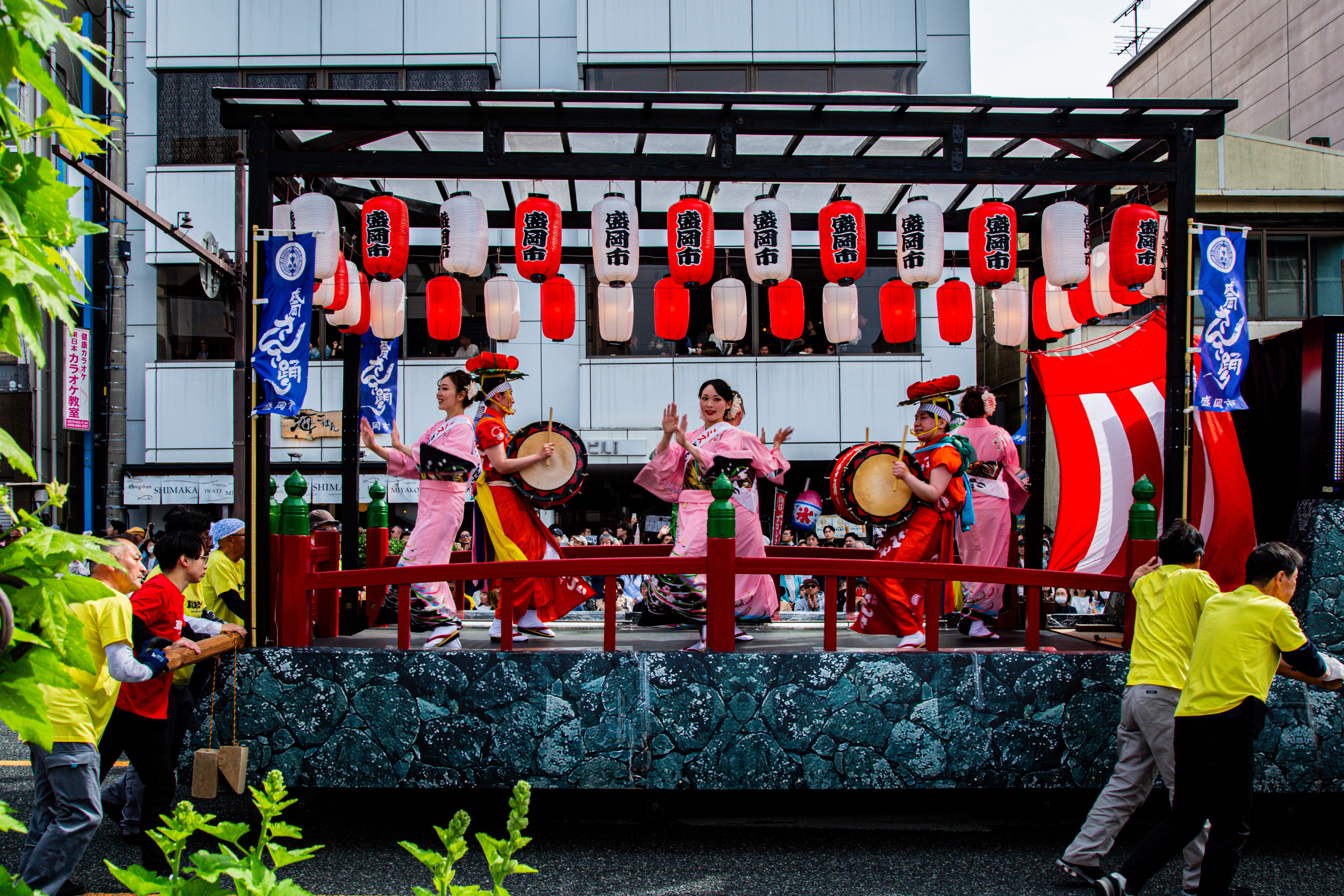
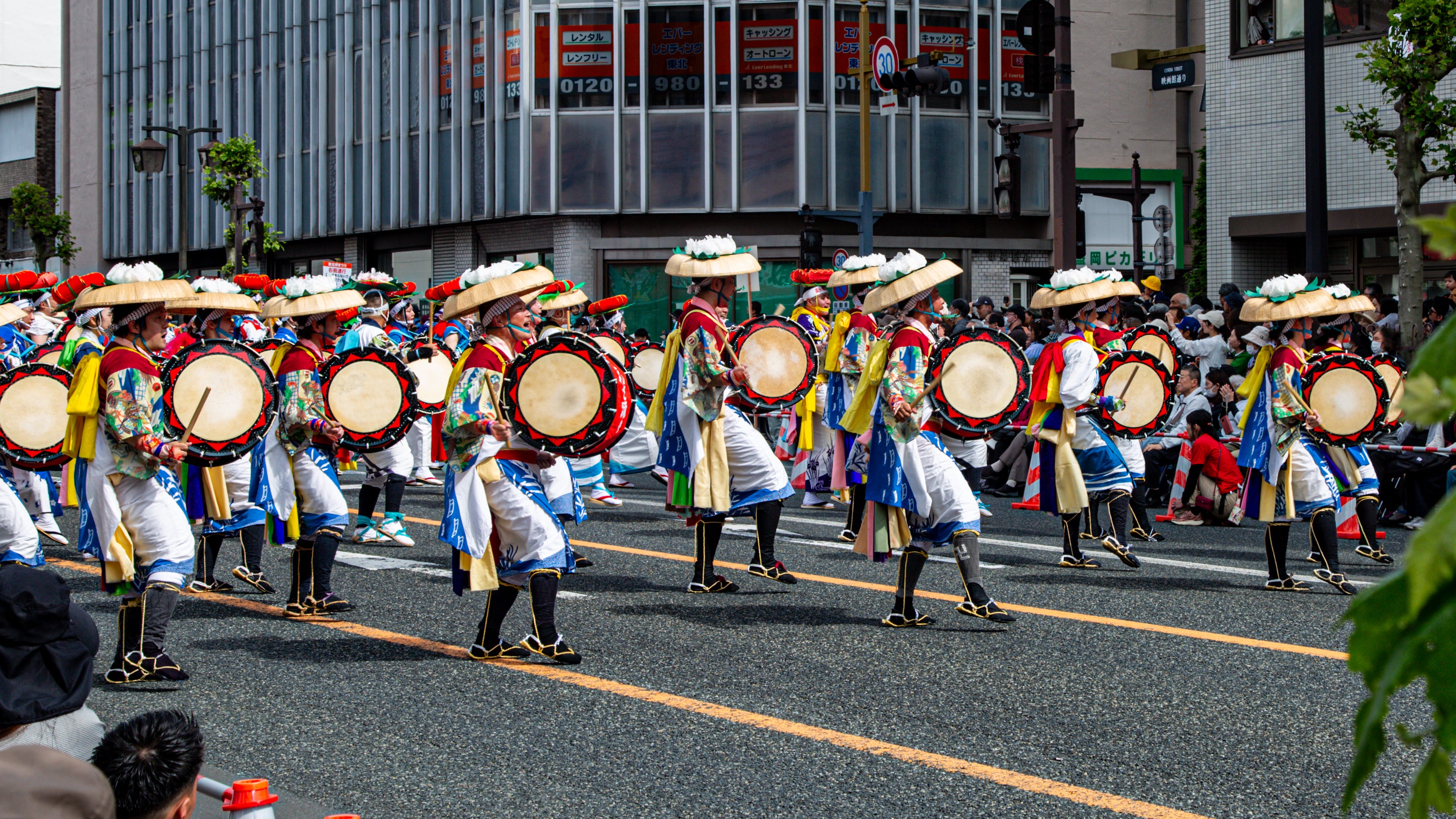
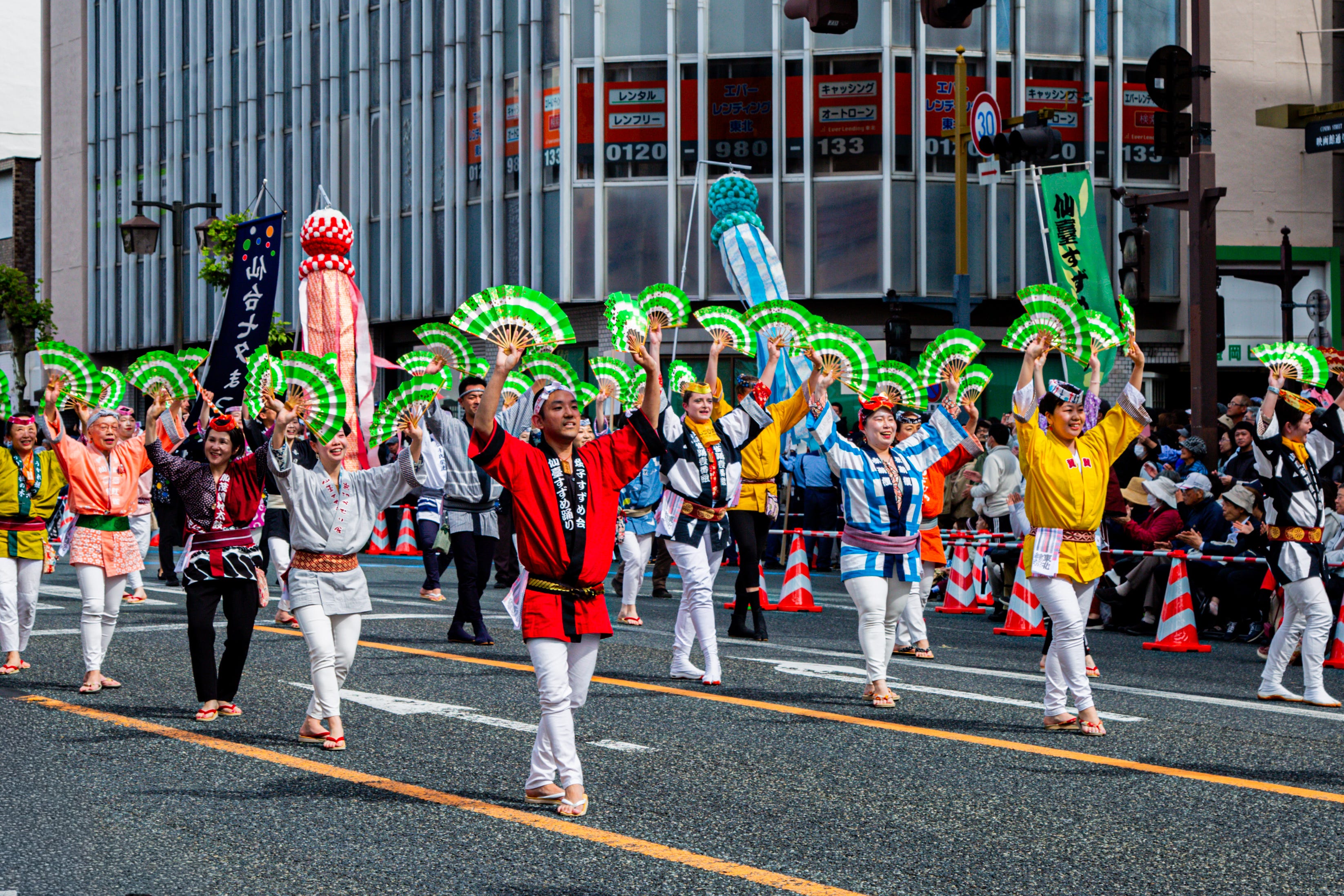
In the aftermath of the 2011 earthquake, the Tohoku region, which was the hardest hit, started a cross-prefecture matsuri. This festival brings together all 6 of the Tohoku prefectures to remember the lives lost from the disaster: Aomori, Akita, Iwate, Miyagi, Yamagata, and Fukushima. Each year the festival rotates to a different prefecture, and has now become a way to bring business to smaller cities across the region and celebrate the unique cultural traditions of the north.
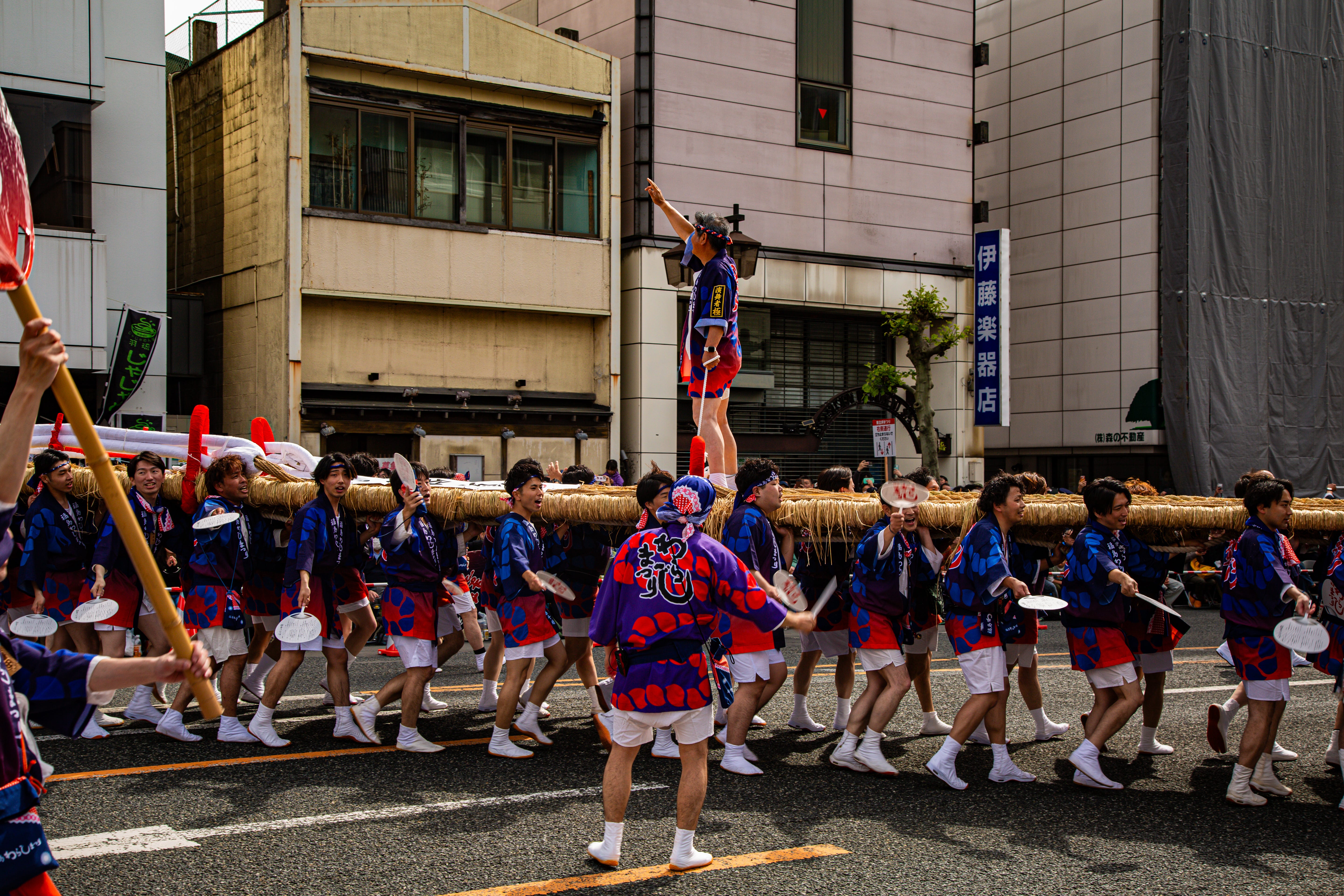
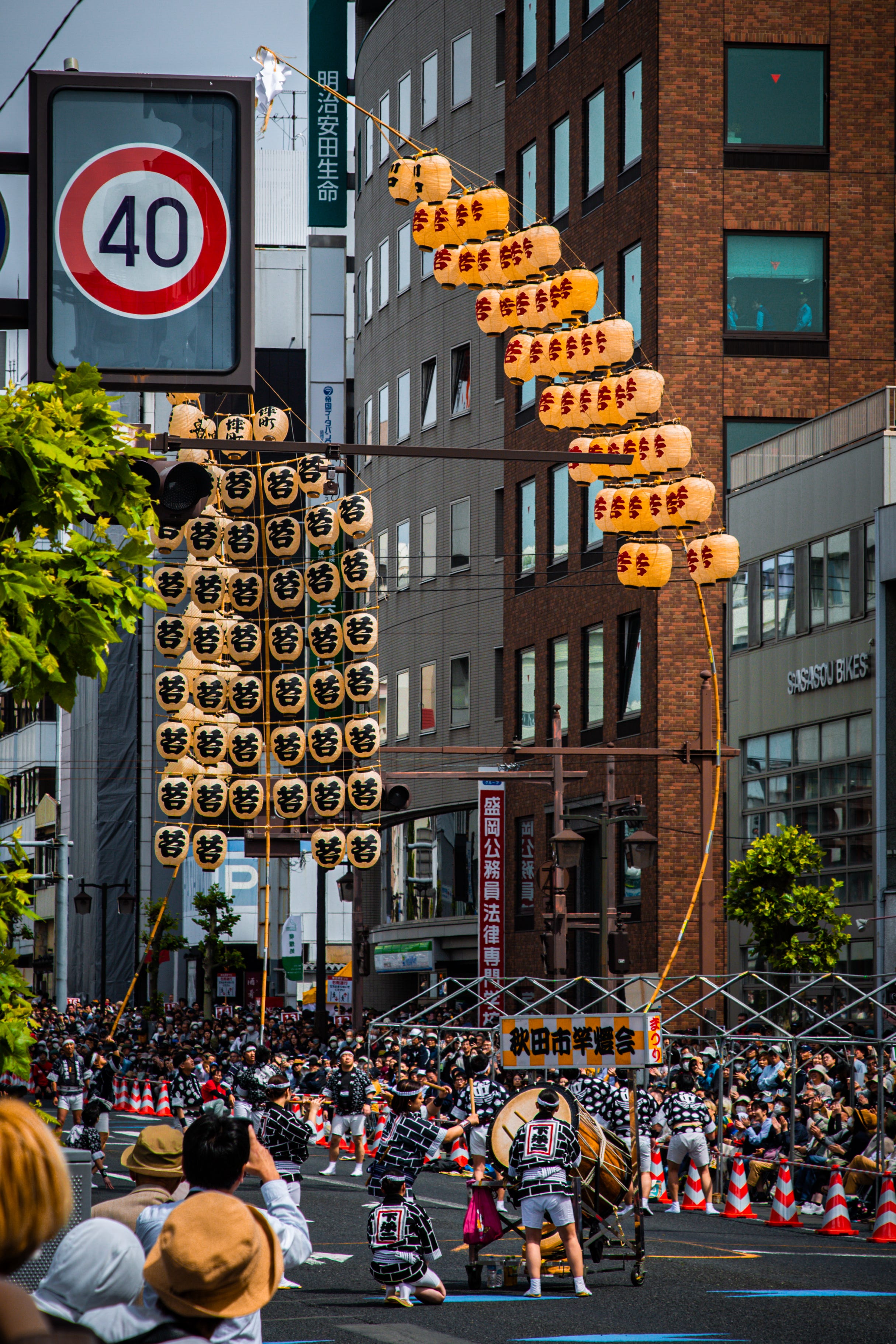
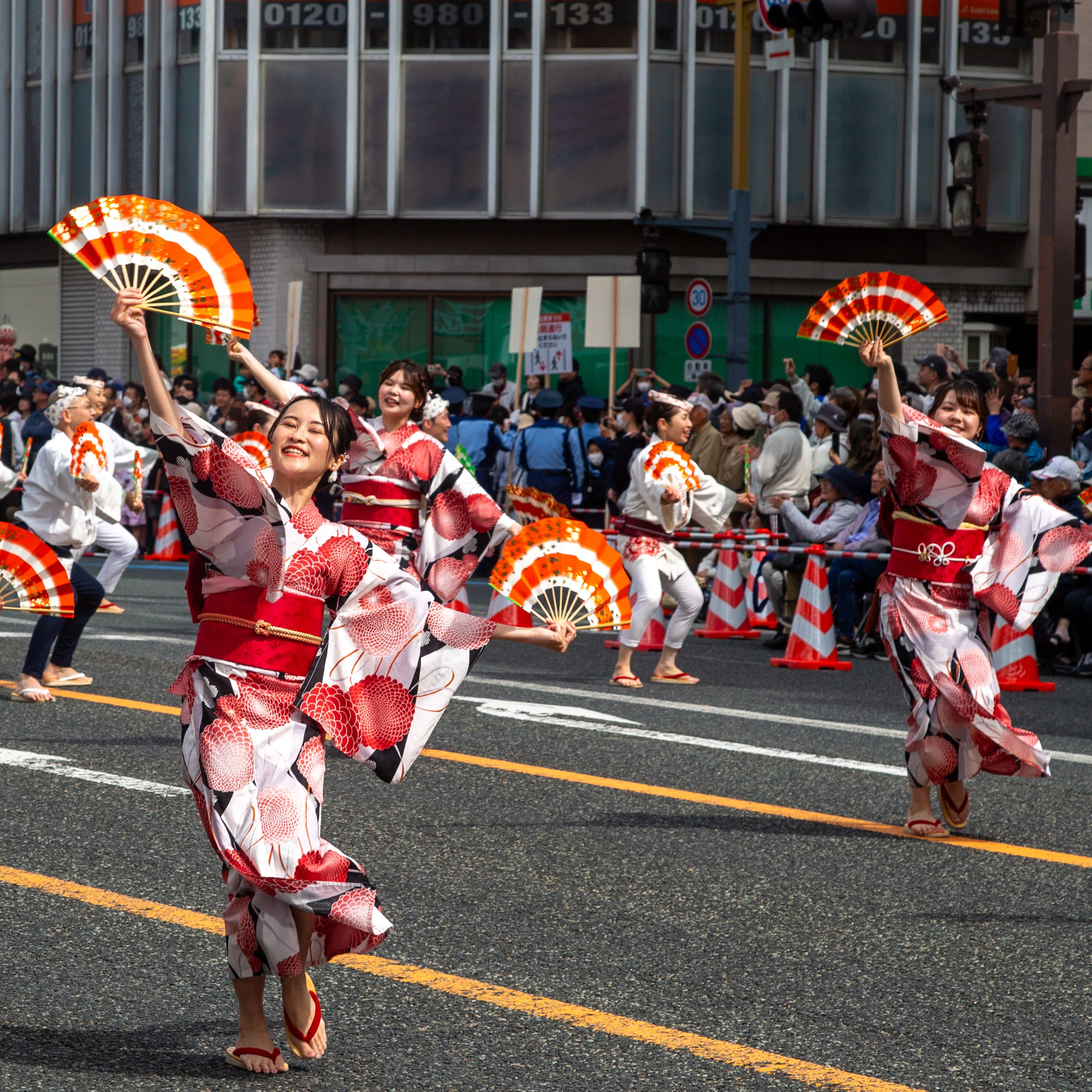
Each Japanese prefecture has strong traditions tied to their summer matsuri events, usually with a unique event or show done at each. The Tohoku Kizune matsuri is a rare chance to see all six of the festival traditions in one place. Each prefecture is able to showcase (and practice) their summer matsuri events. Some of these are what you’d think — special dances, unique and colorful garb, marching band style drums — but some are quite distinctive and unique like a giant sandal or tall lantern poles teetering to stay upright.
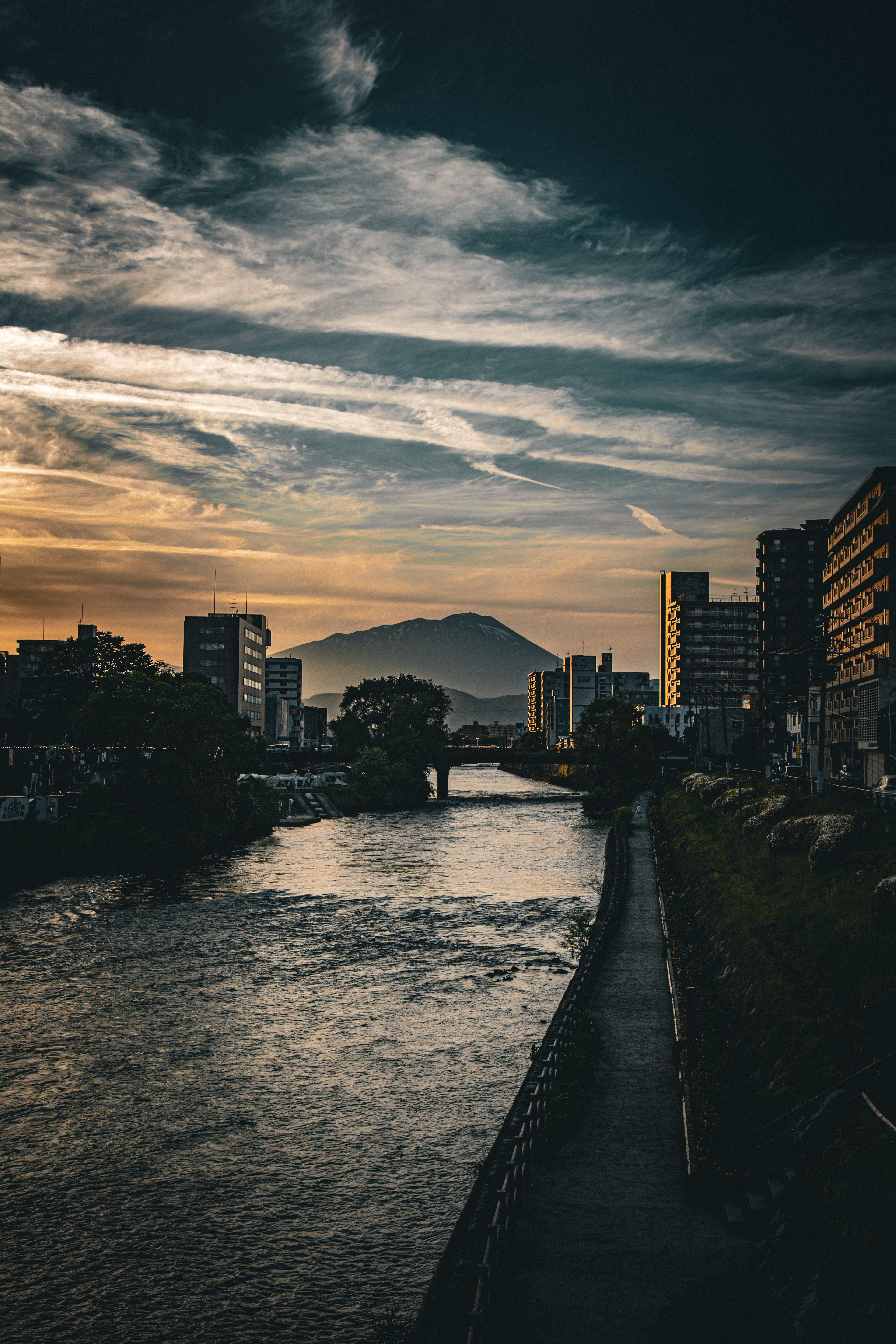
This year’s matsuri was based in Morioka, a city just shy of 300K people in Iwate prefecture (the one directly to the north of us in Sendai, Miyagi). It’s an easy 30 min Shinkansen from where we are staying, and we had a blast exploring the festival and a couple notable parts of the city. The city is known for 3 types of noodles (Reimen, Jajamen, and Wanko soba) and we were able to try 2 of them while we were there (the third is less of a distinct flavor and more a pseudo-‘challenge’ of all-you-can-eat soba). The fun part of these is they are fusion styles — Reimen is a blend with Korean flavors and Jajamen pulls from Chinese influences.






Theme for next week | No theme for next week at this moment.