Photography #14

Today, we mark the final two weeks in Sendai with a lovely typhoon. Luckily, we are on the northern edge of the storm and out of the central path, but waves of rain continue to cascade down around us while we stay cozy inside with Stella.
Our prior week has been filled with good day trips and while there is not a theme for this week, it does include a lot of nature and outdoors adventure.
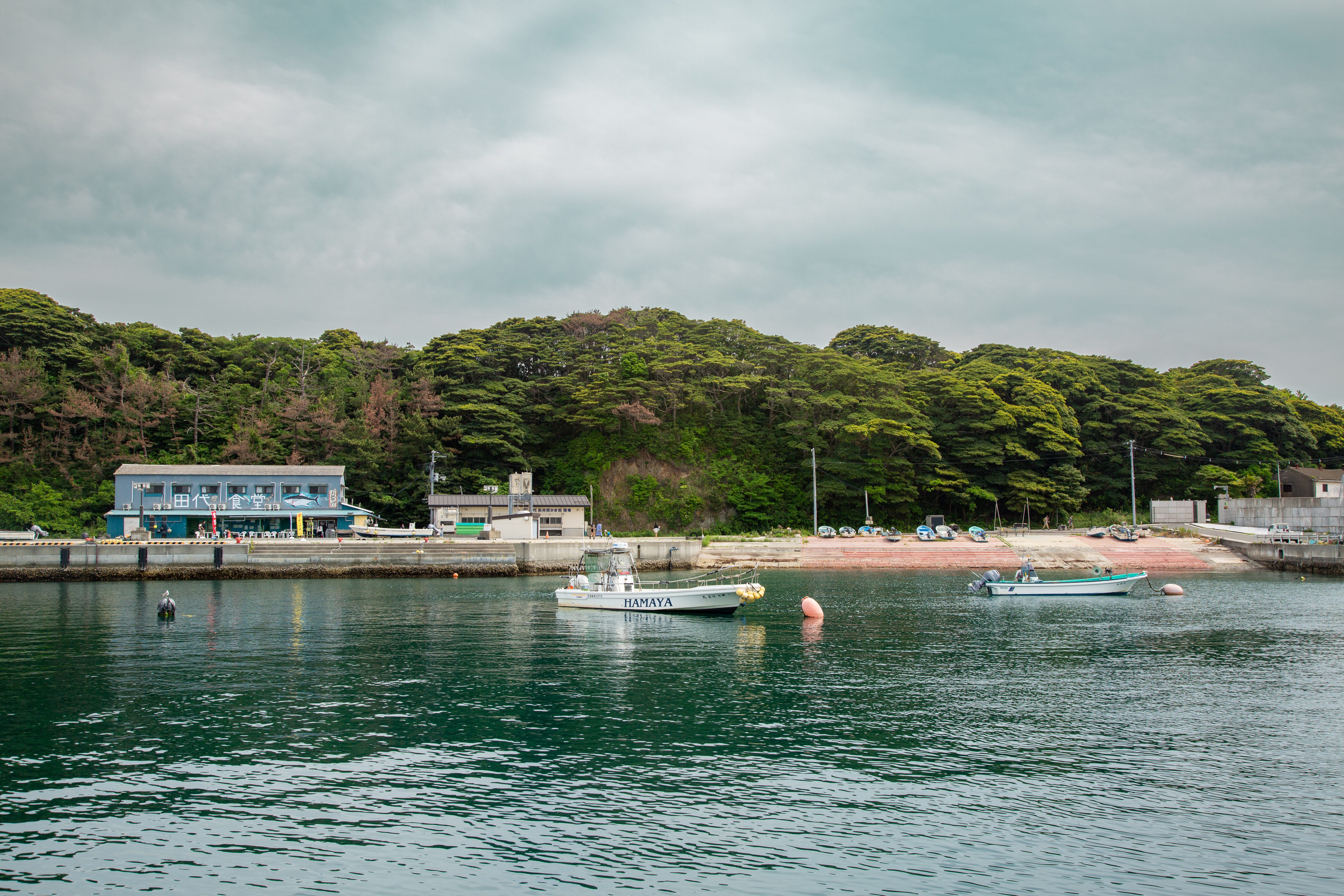
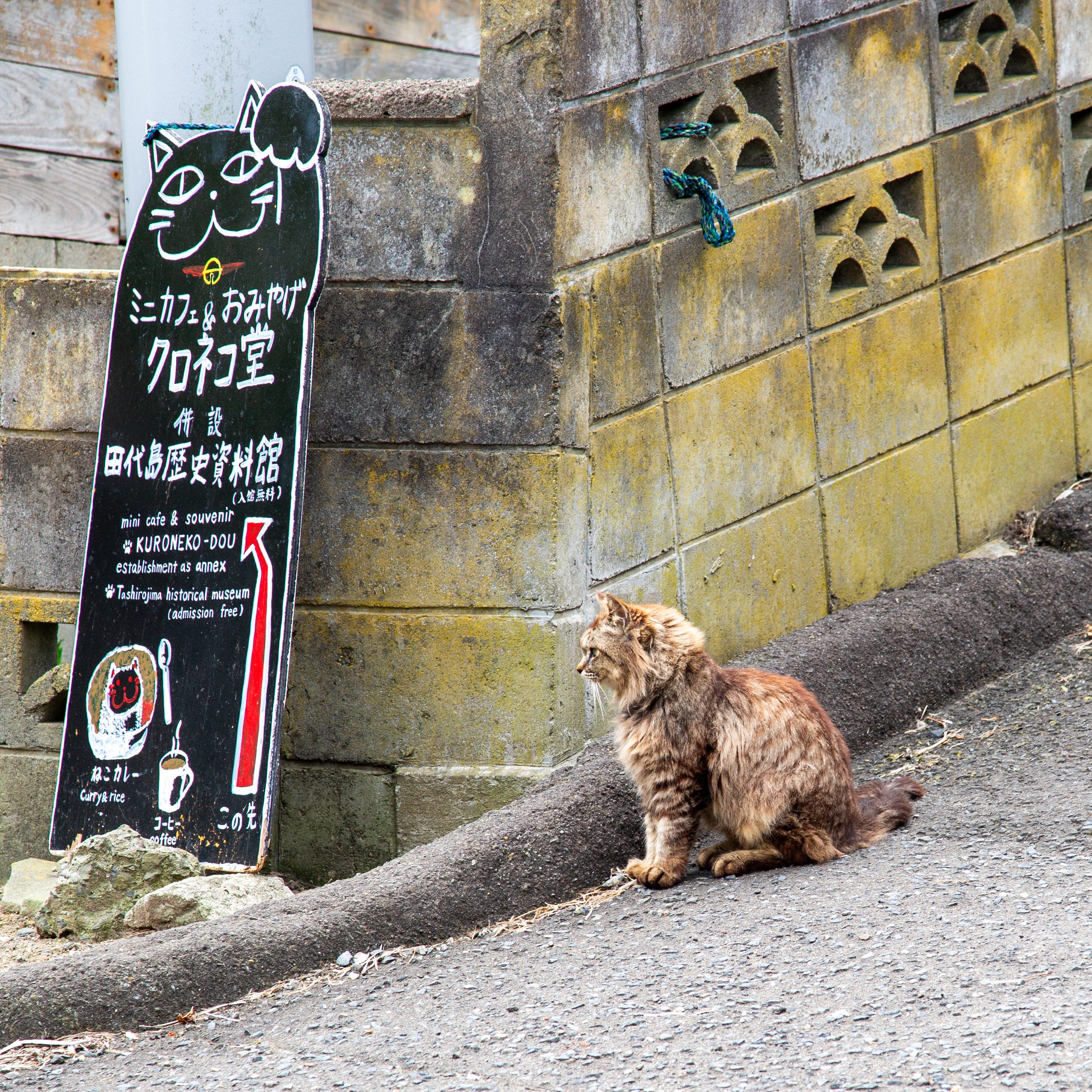
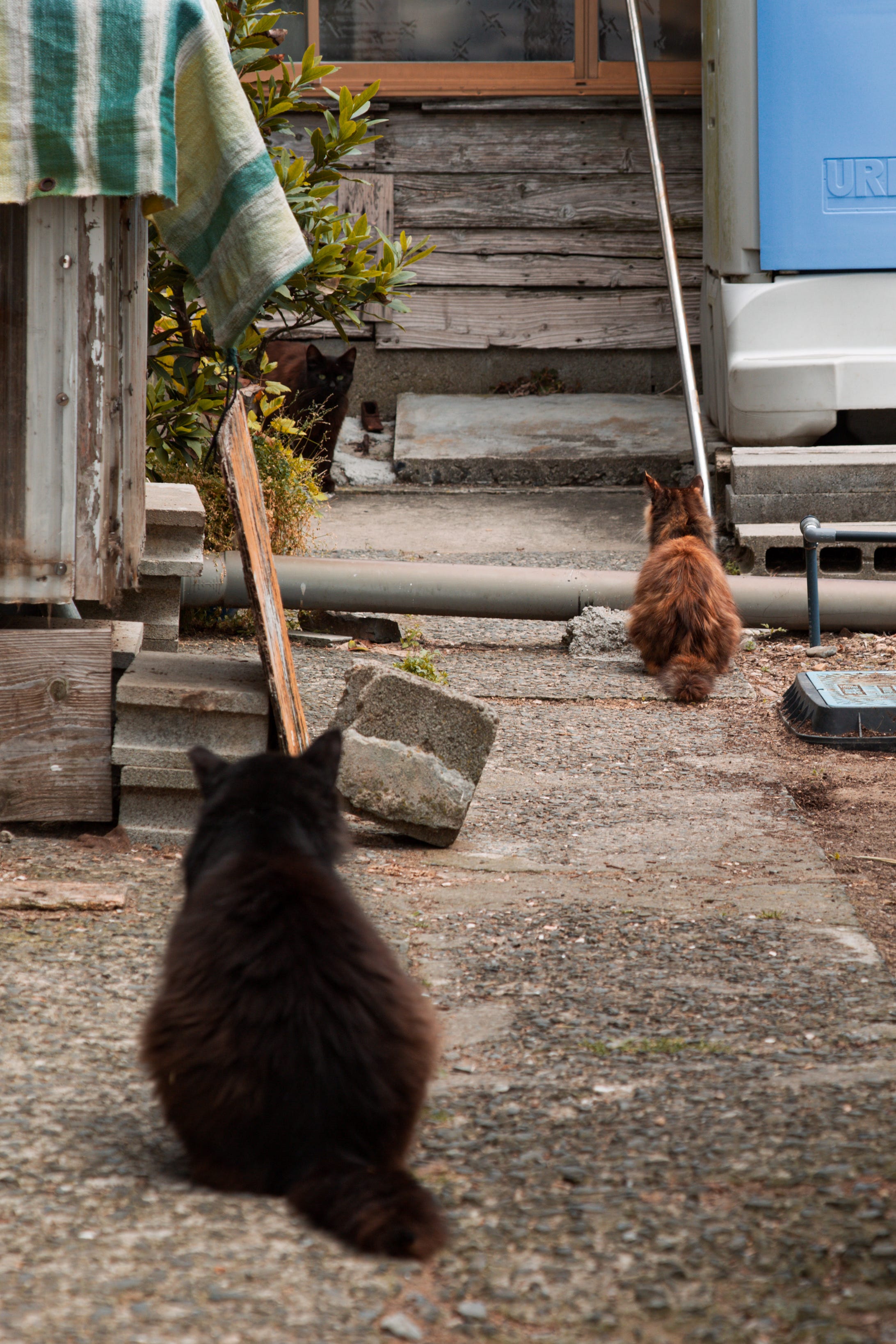
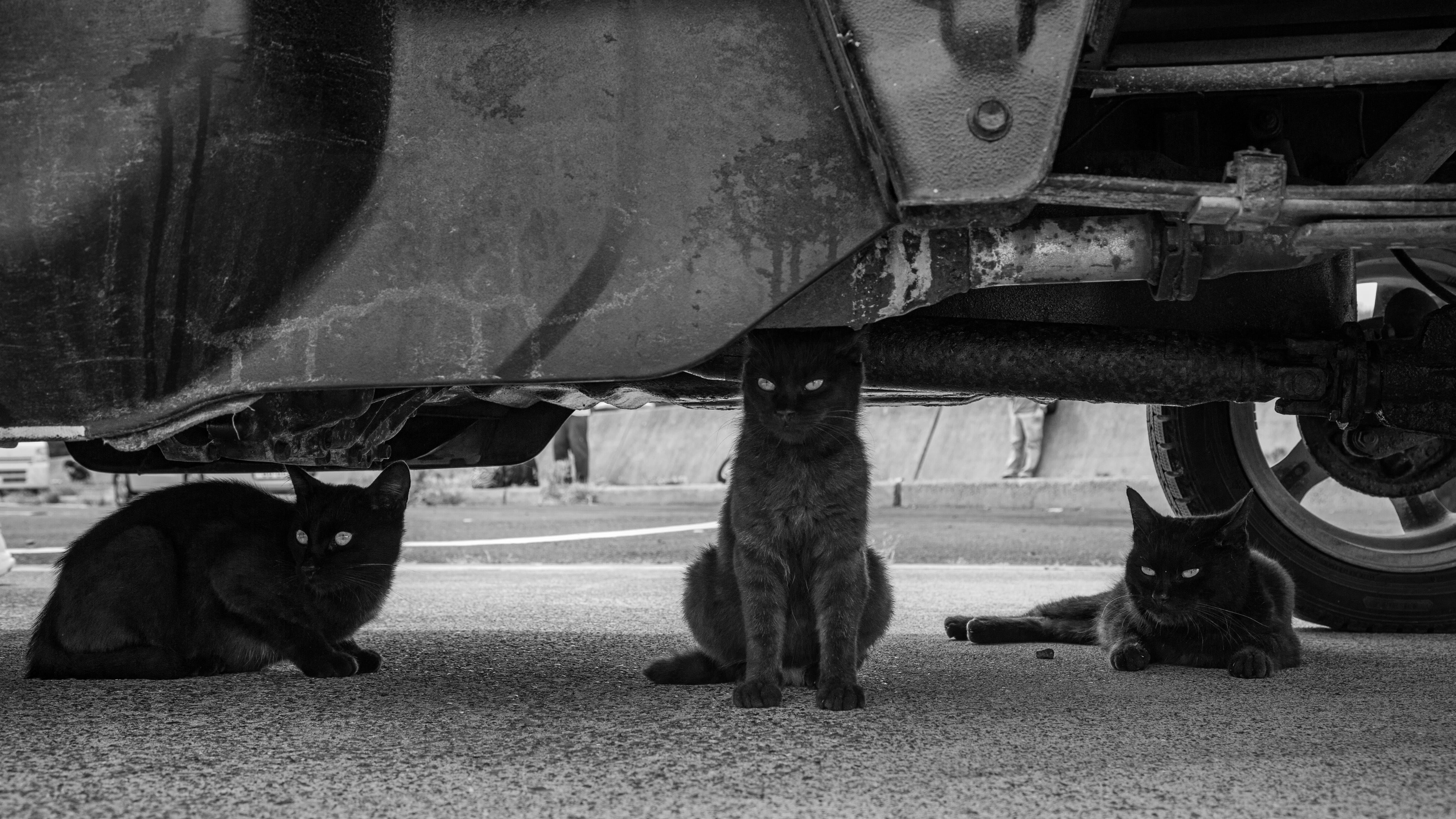
Cats of Tashirojima
Why would there be ~130 cats on a small, remote island in northern Japan with maybe a population of 60 people? Ours is not to question why but to accept these wonderful gifts.
However, if you continue to ask, then I can share that the island was a larger silkworm farm that produced silk thread during the Edo period (1600-1868). Mice are the natural predators of silkworms and cats are the natural predators of mice and humans are the fastidious butlers to the cats. Nature creates such beautiful chains of life.
After the silk production died off, fisherman used the island and believed the cats could bring good fortune and could forecast the weather. They built a couple small shrines and continued to feed them scraps from their catches. Stella forecasted today’s typhoon by waking me up at 6am for food and then proceeding to sleep through most of it.
There are truly many cats on the island and many of them looked well taken care-of for being outdoor cats (however, there was the occasional skin issue or truncated tail). The town has seen better days. There are maybe 4-5 functioning shops on the island serving the cat tourists and a few fishing boats in the harbor. Otherwise, most of the island looked to be in a state of reclamation by nature. It made for beautiful, eerie photos, but saddened me at the thought of the slow departure of each successive generation as children left to find opportunity elsewhere.





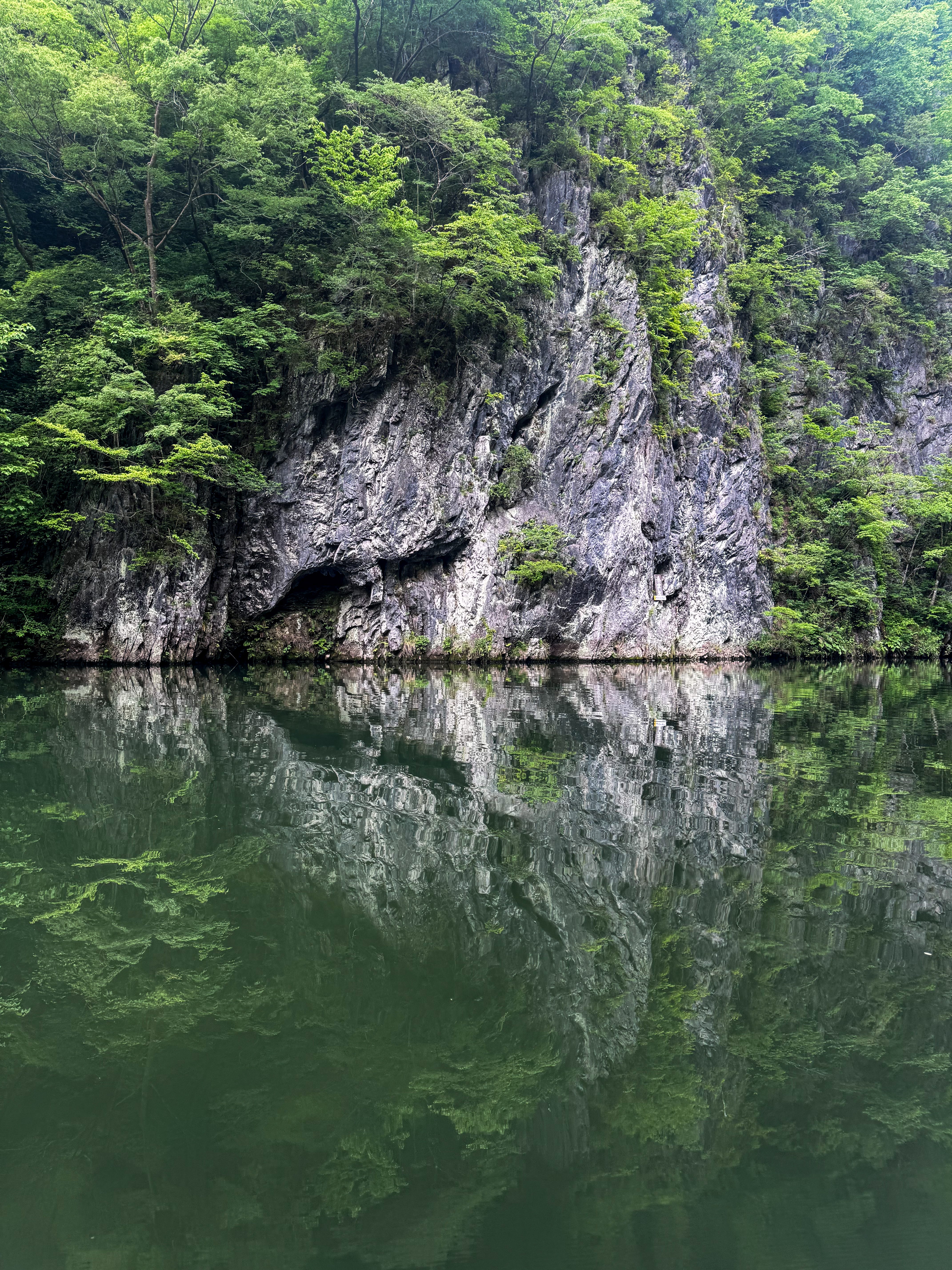
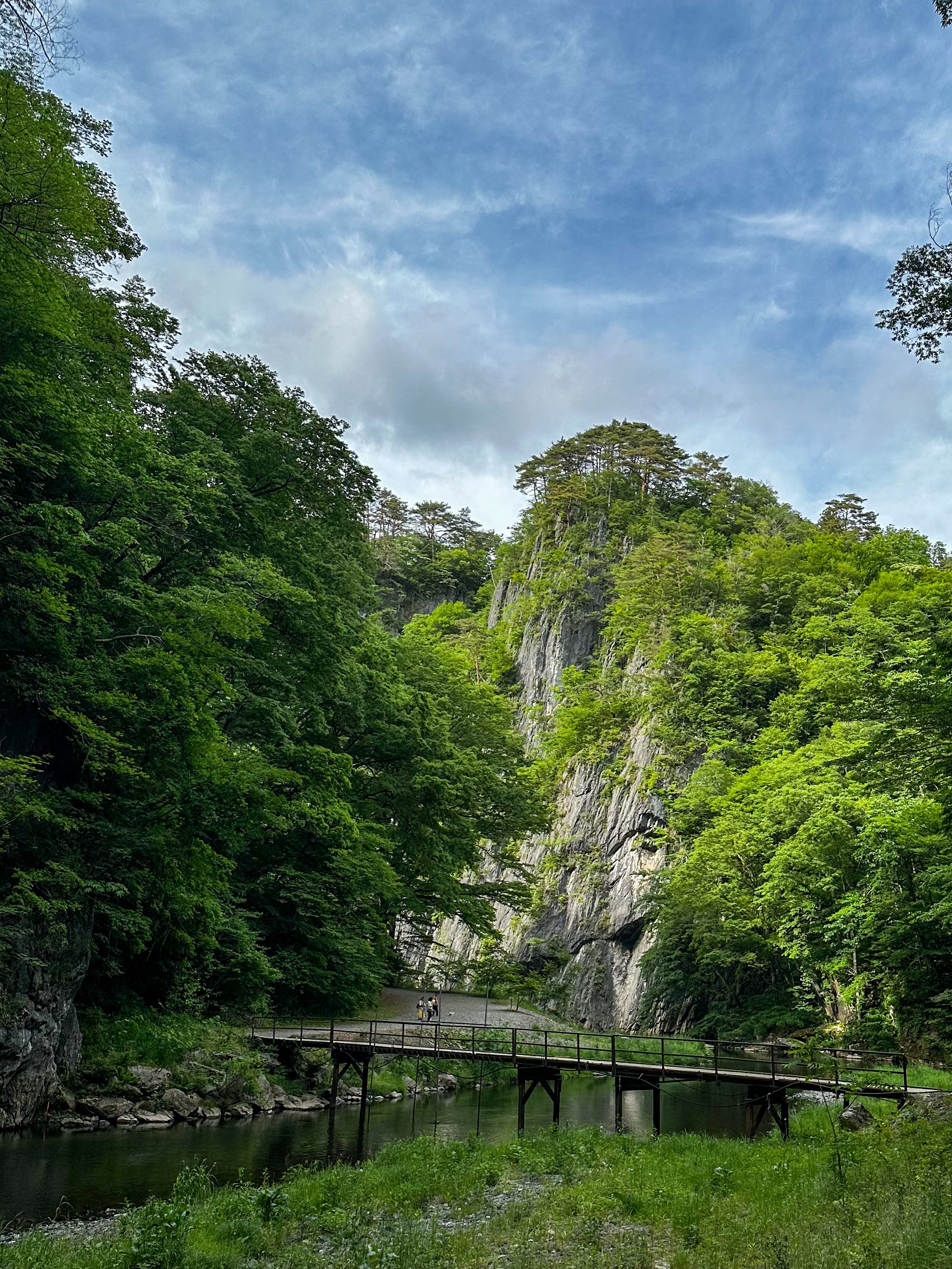
Geibikei Gorge
This gorge is located in Yamagata and has had longboat tours year-round for over a century. It is supposed to be beautiful in every season: spring has large wisteria blooms that drape down the cliff sides, summer has vibrant greens, autumn changes to deep reds and oranges, and winter has the snow covering everything while the longboats switch to being covered and offer cooking of nabe (Japanese hot pot) onboard.
I did not bring my camera with me on this day, so all these photos were taken on my iPhone.


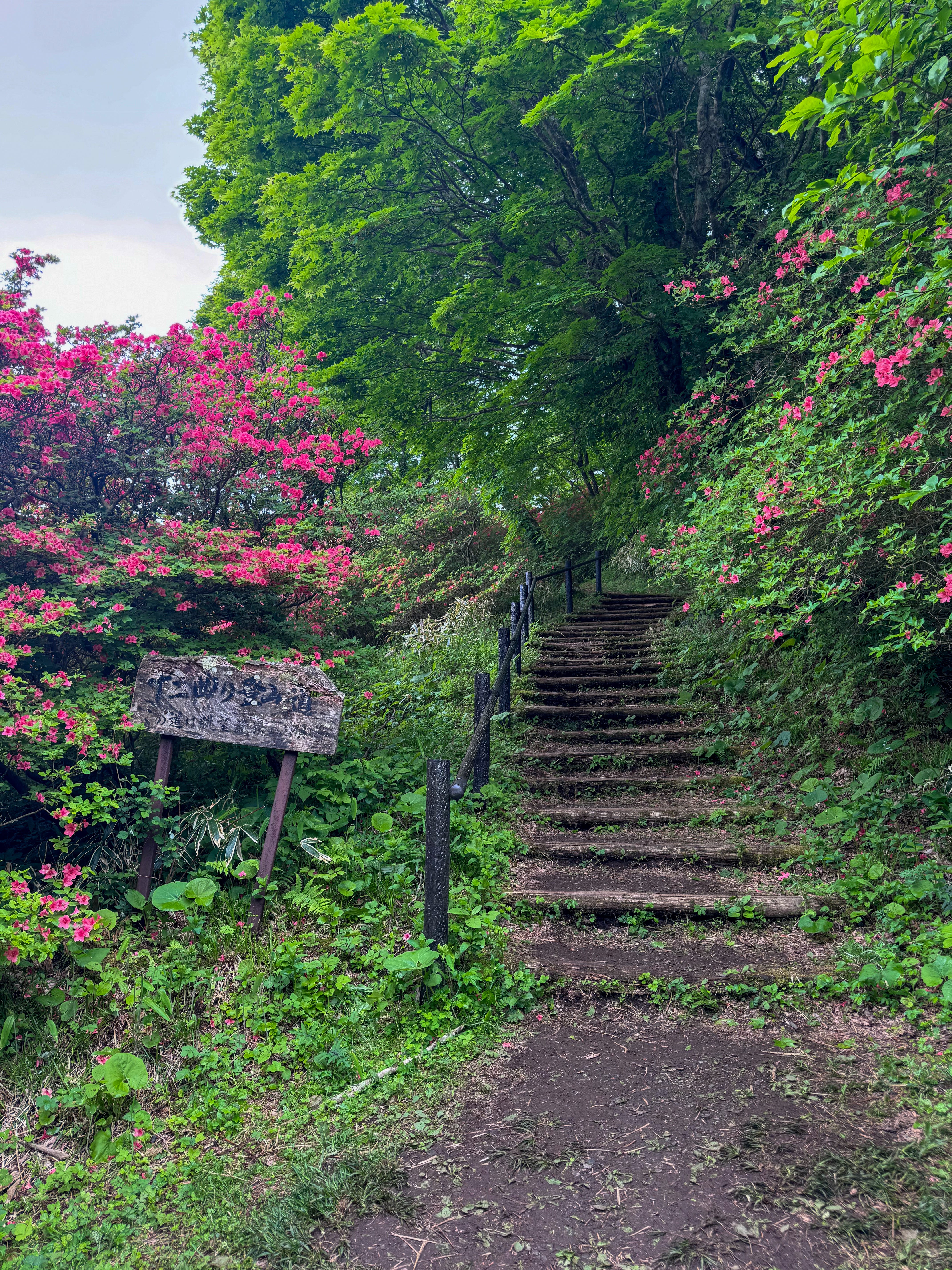
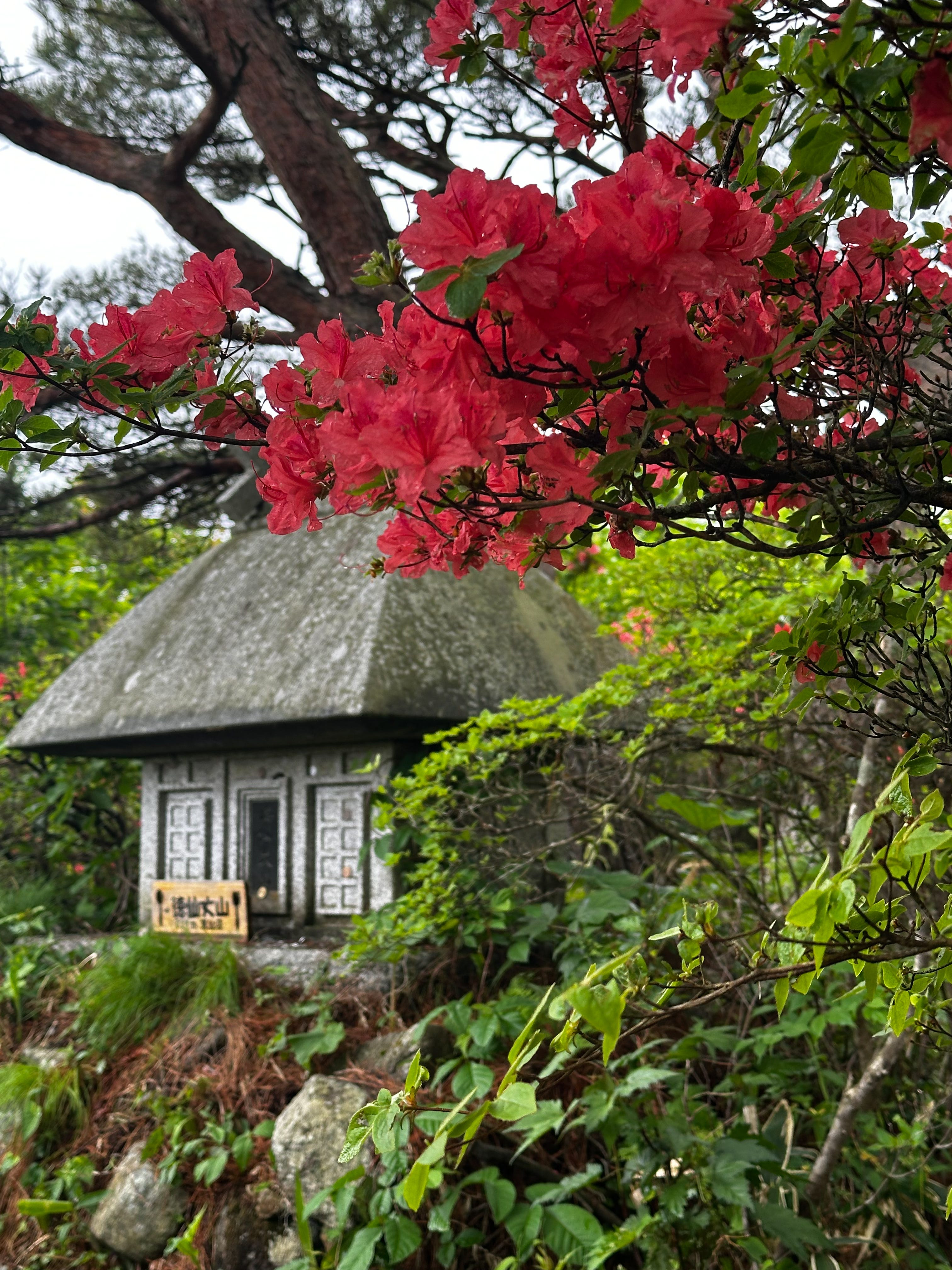
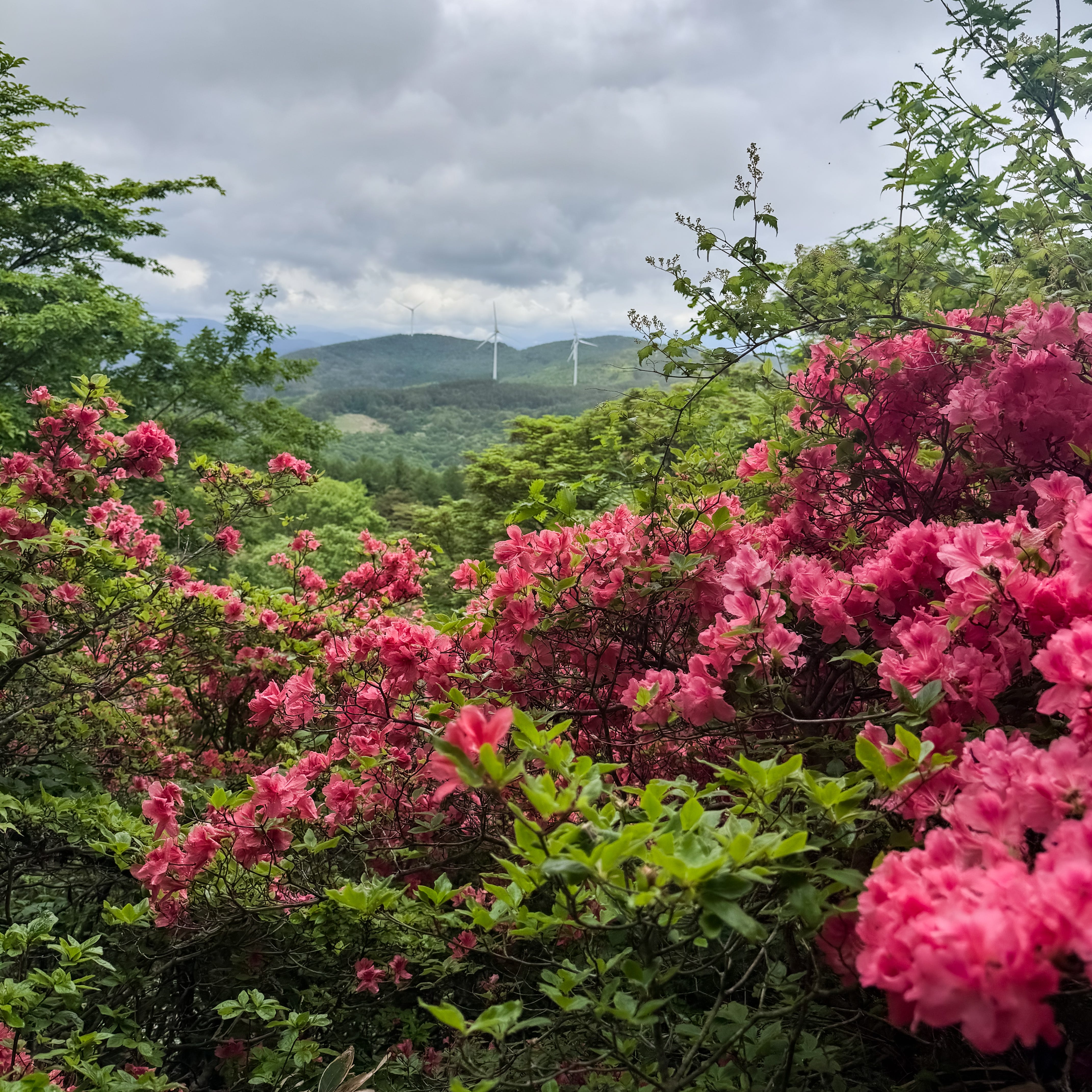
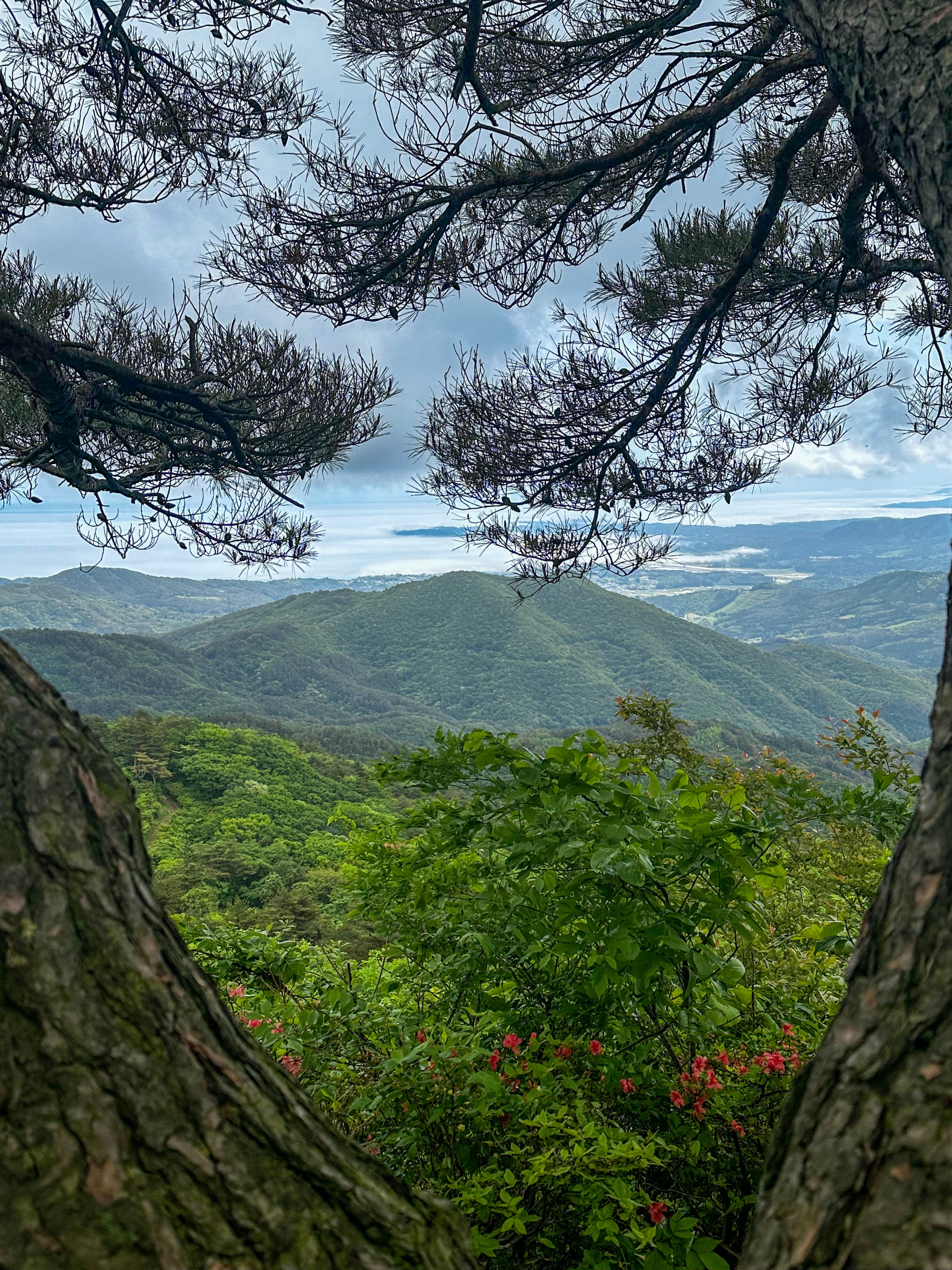
Azaleas at Mount Tokusenjo
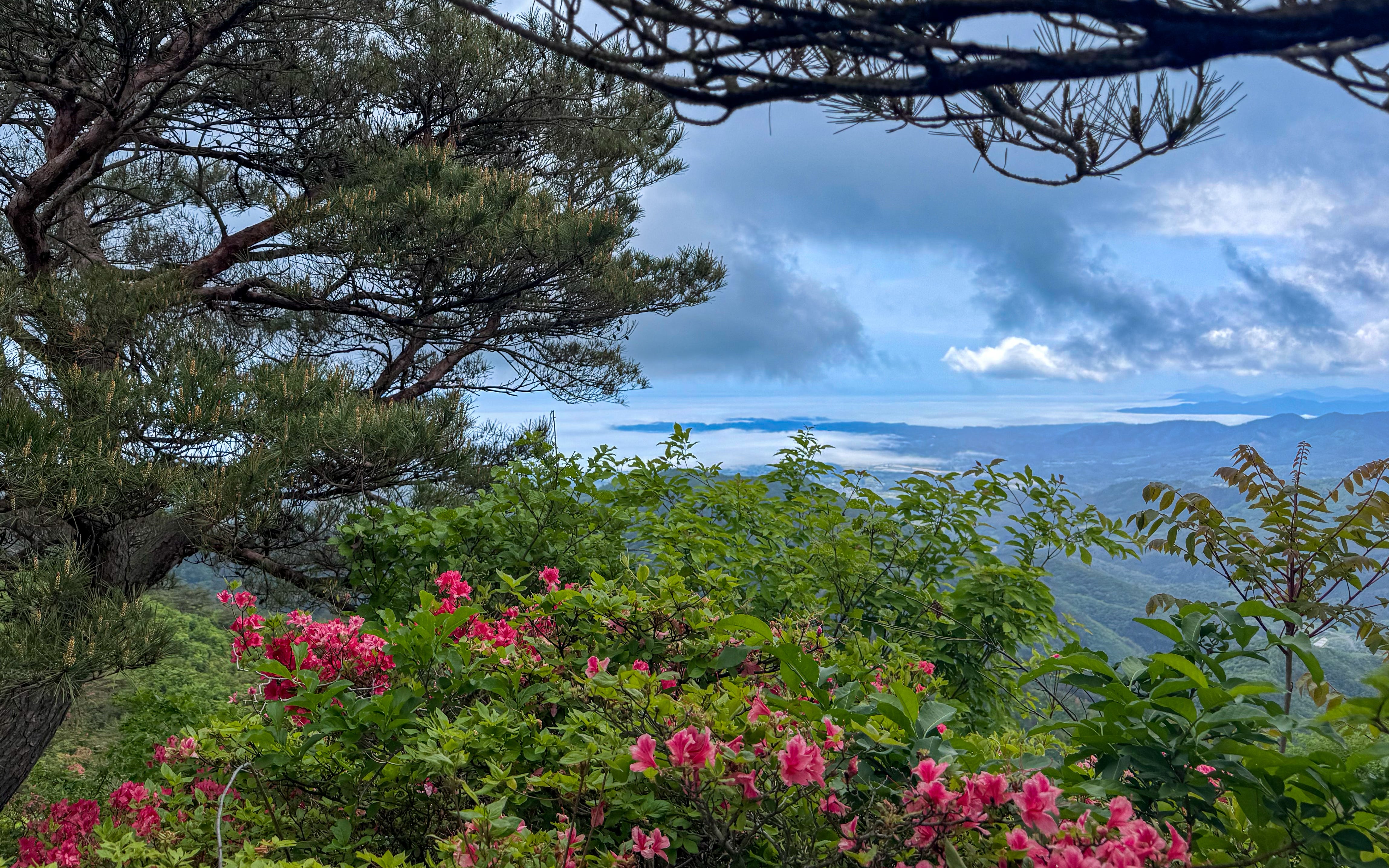
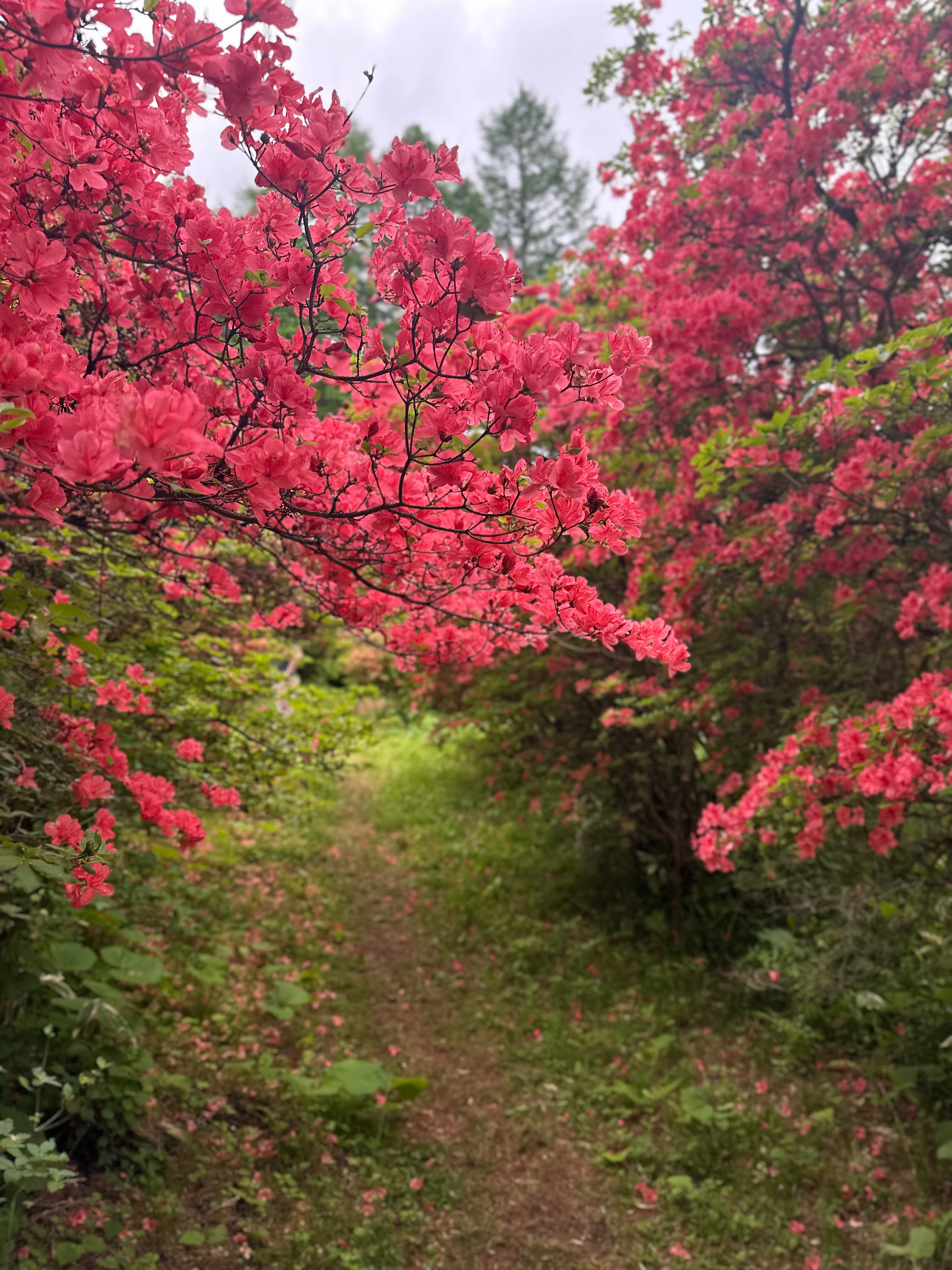
Mt. Tokusenjo is located in the northern end of Miyagi and is known for its vibrant Azalea blooms in late May. We came after a big storm that had knocked off quite a few of the blossoms, but many were still showing vibrant colors.
I did not bring my camera with me on this hike, so all these photos were taken on my iPhone.


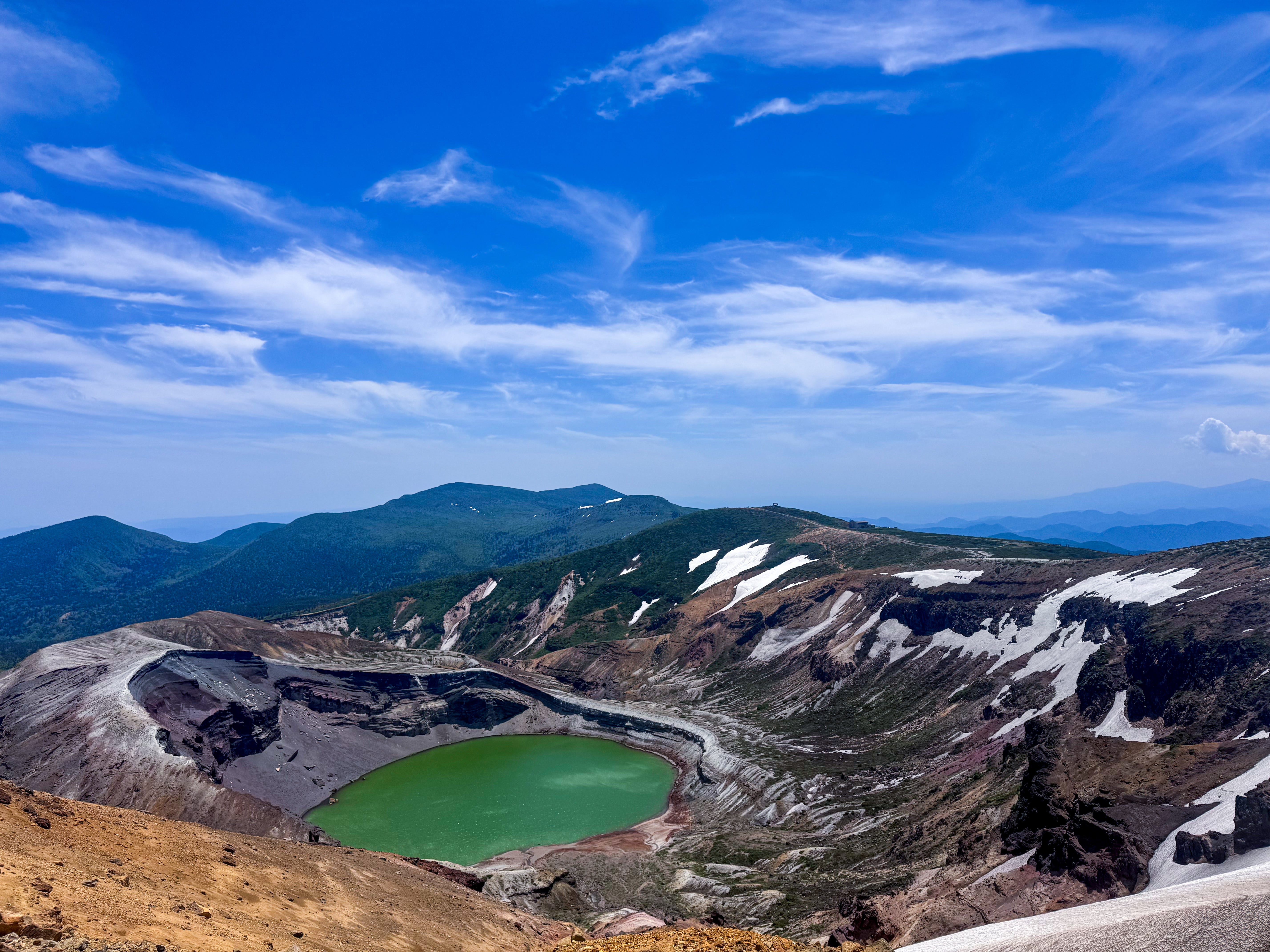
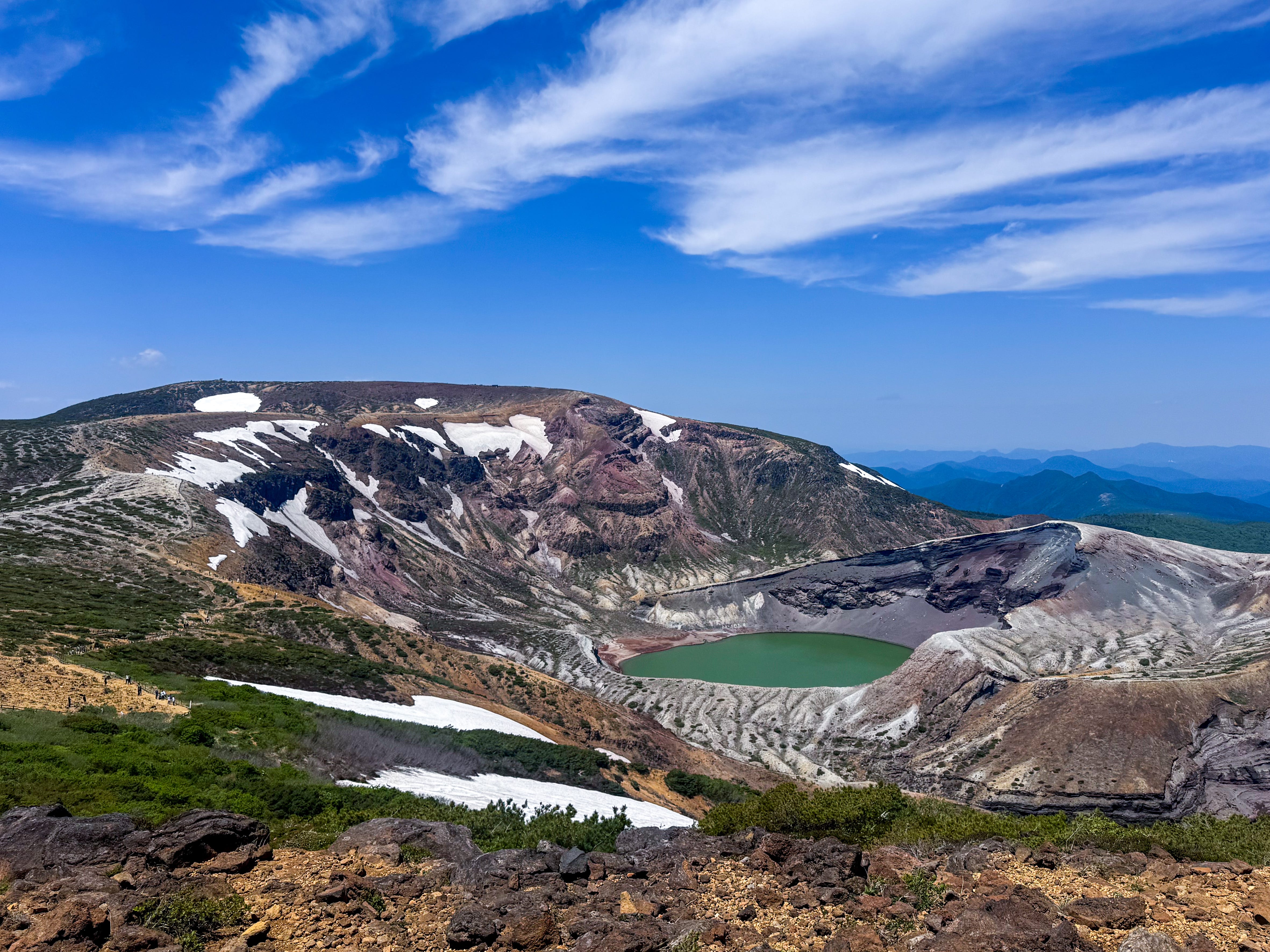
Zao Okama Crater
High in the Zao mountains between Miyagi and Yamagata prefectures is a crater lake that changes color throughout the year. When we went in late May, it was a beautiful shade of green.
We rented a car to get up here and my driving on the left hand side of the road has steadily improved. I no longer hit the windshield wipers every time I want to turn or change lanes. The drive included quite a long and windy switchback road. There were even some crazy people making a long bike ride or run up this mountain (it’s something like 6 hours of straight uphill and ascending 5000 ft)!
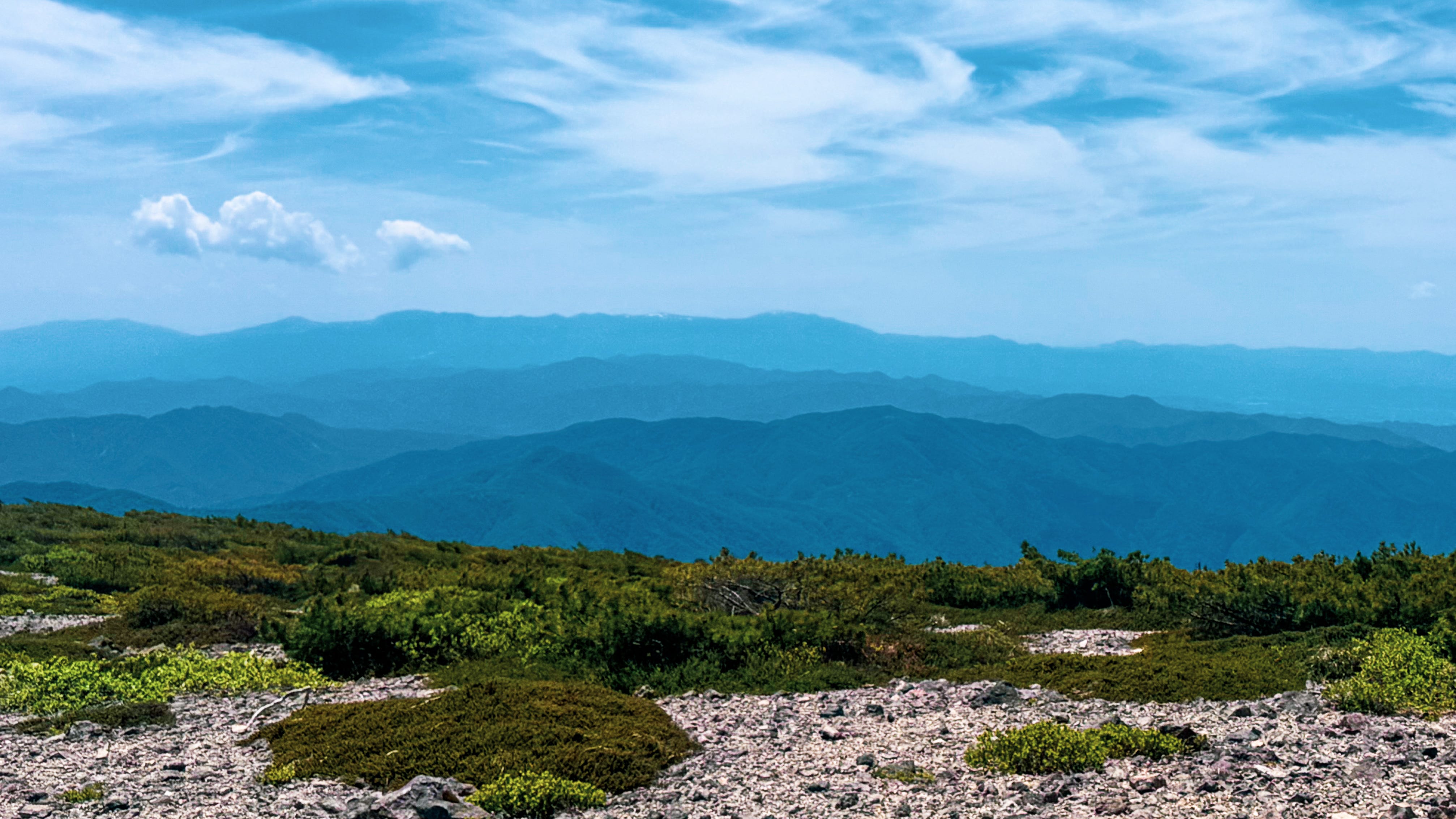
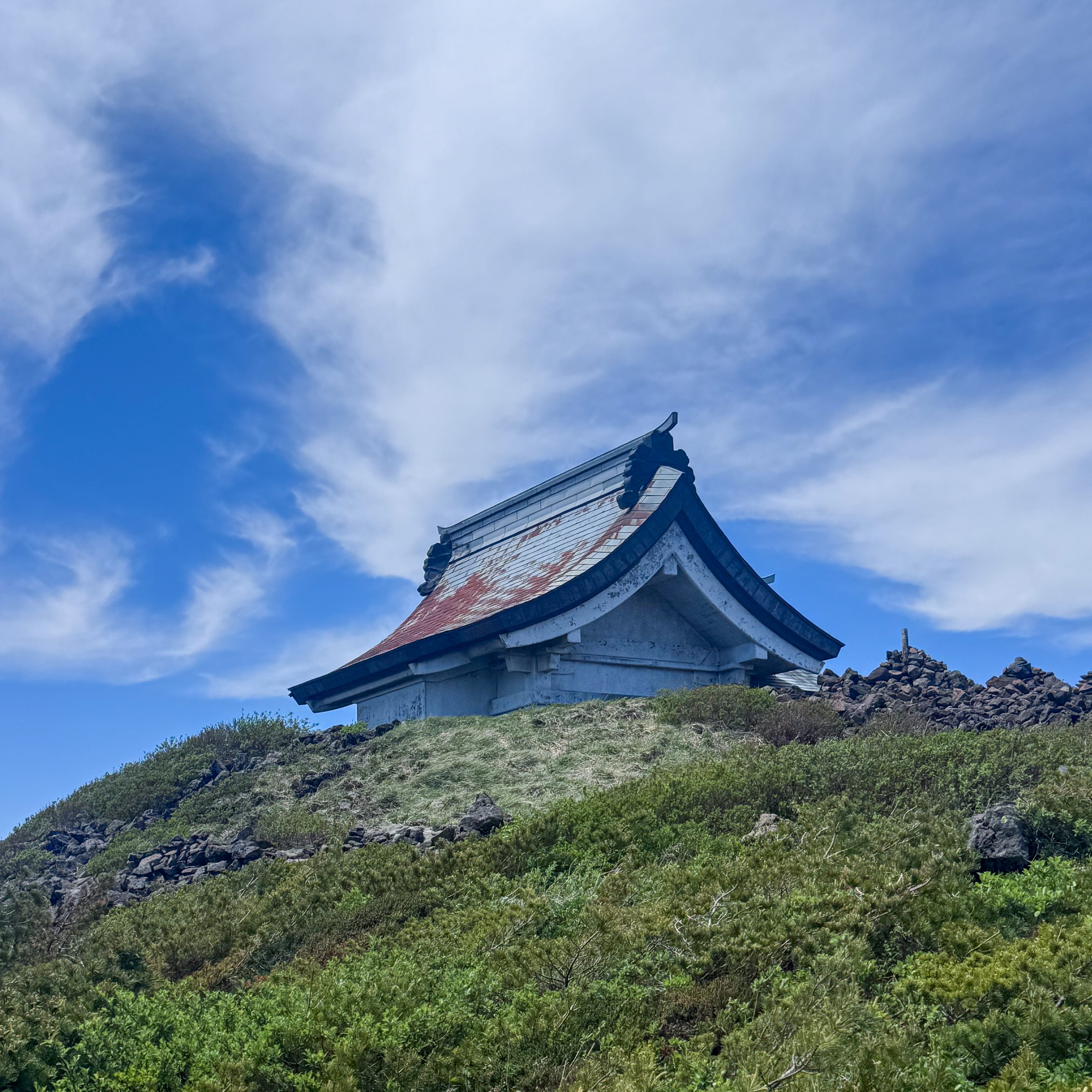
At the top there is a shrine, as well as a walking path where visitors can walk along the ridge line overlooking the crater (but no paths allow you to walk up to the crater for preservation reasons). The entire time, I could hear my brother’s voice in my head saying “how many photos can you take of the same mountain”. Well, quite a few.
Theme for next week | Favorites of Sendai
That first house with the plants all up the side kinda reminds me of the house from Flow