Photography #5
Reflections

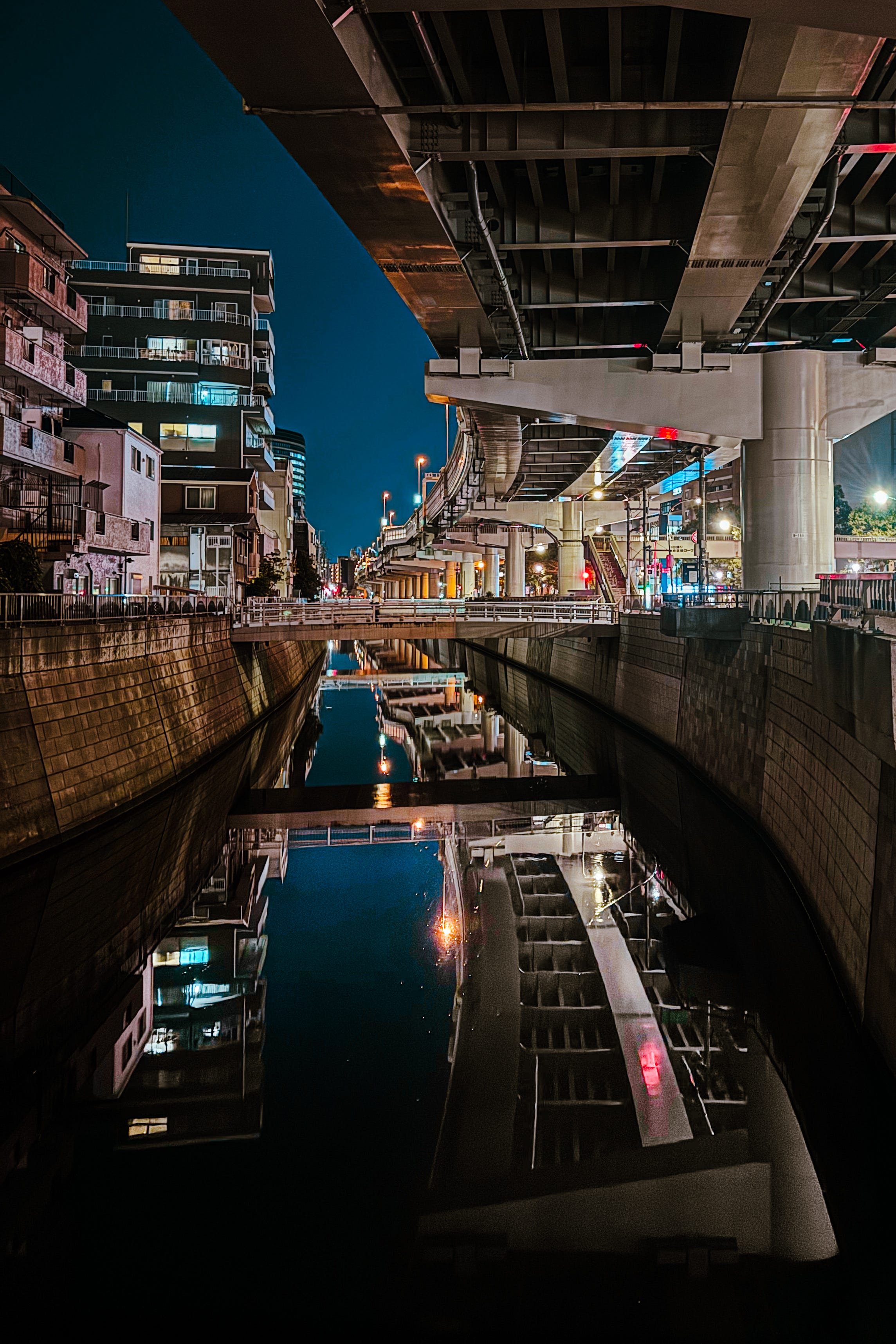
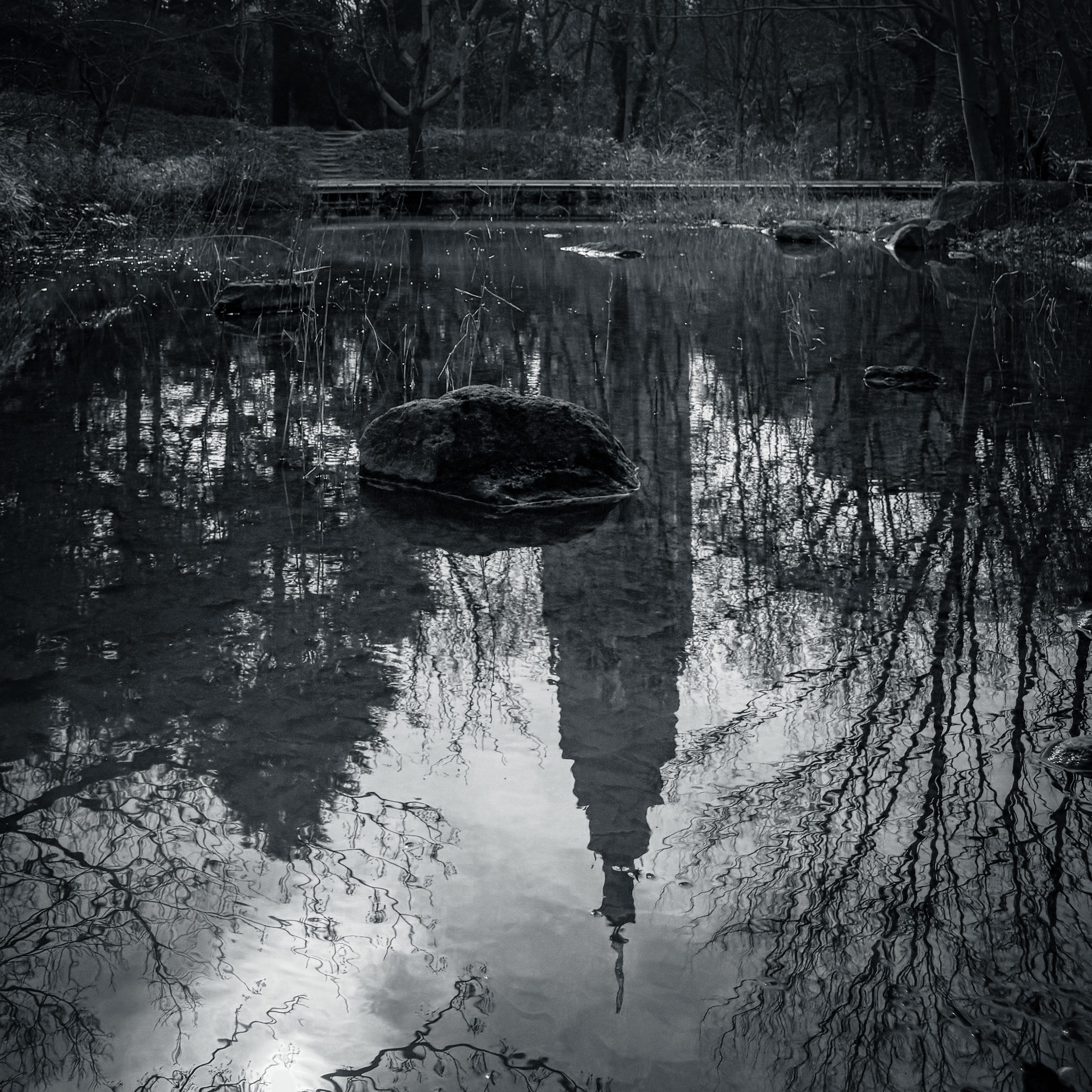
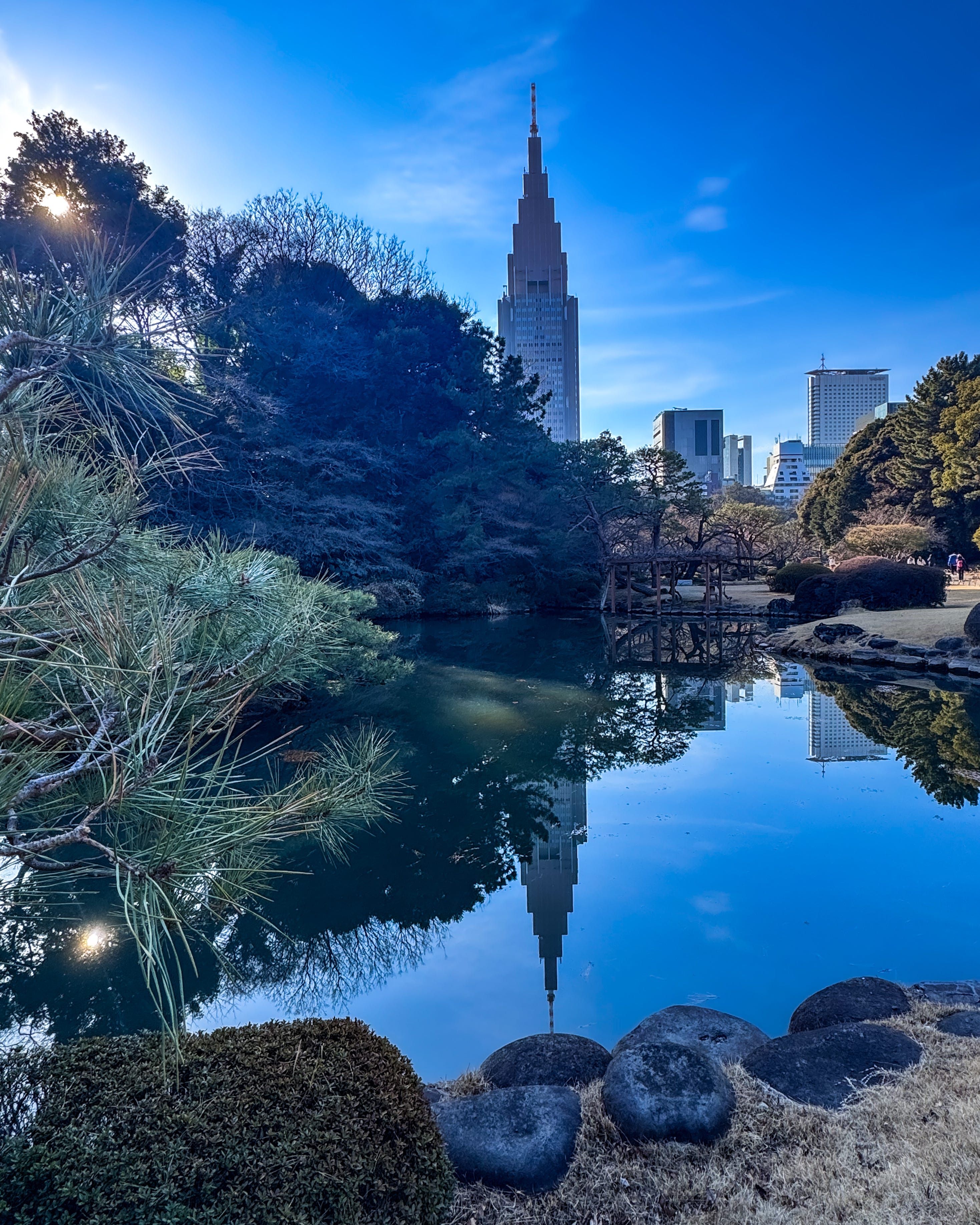
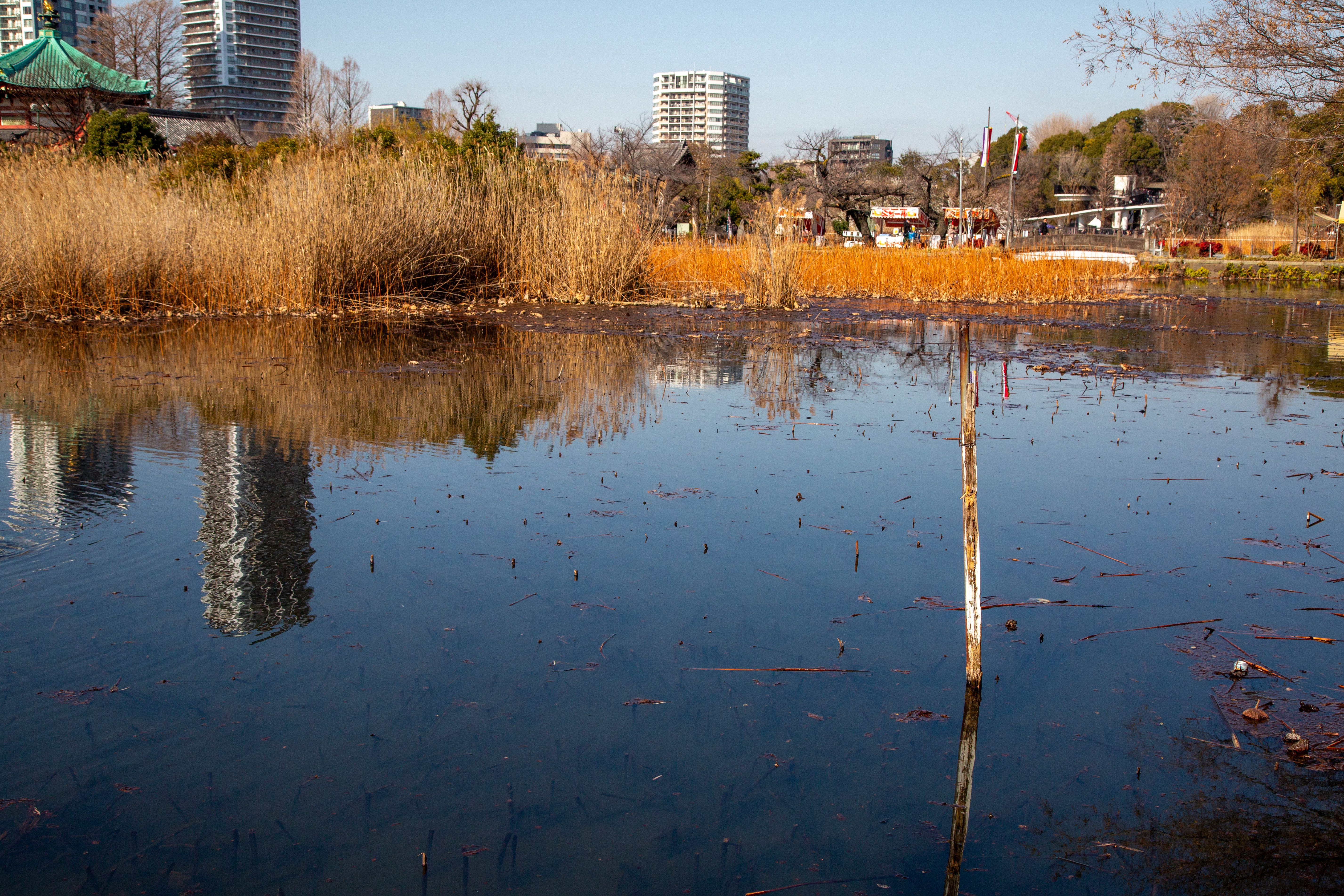
The theme for this week is reflections and the photography will emphasize the use of water, mirrors, windows to create reflections. After the photos, I have also written a few reflections of my own on a few Japanese cultural elements I’ve noticed living here (already at ~8 weeks!).

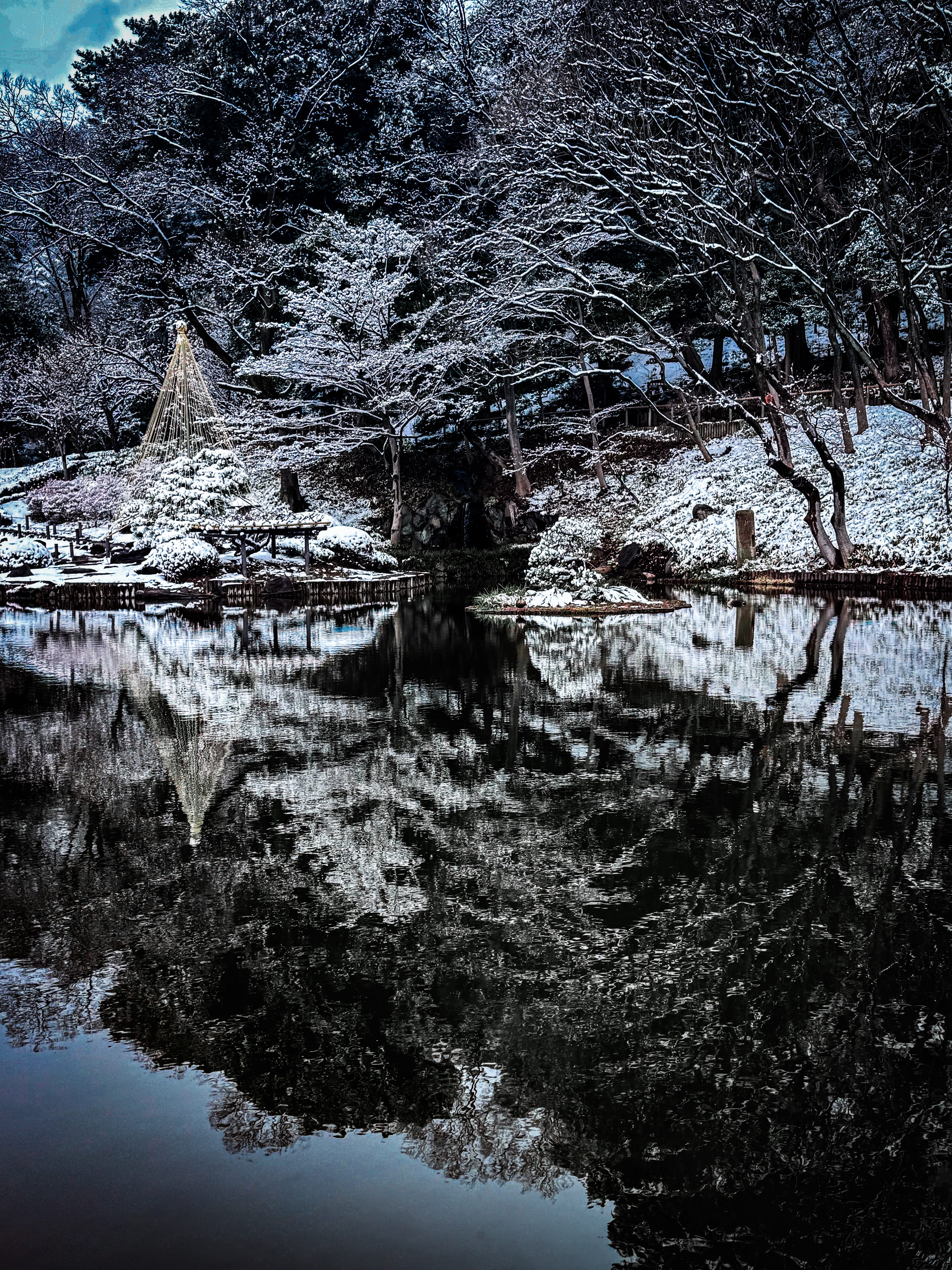
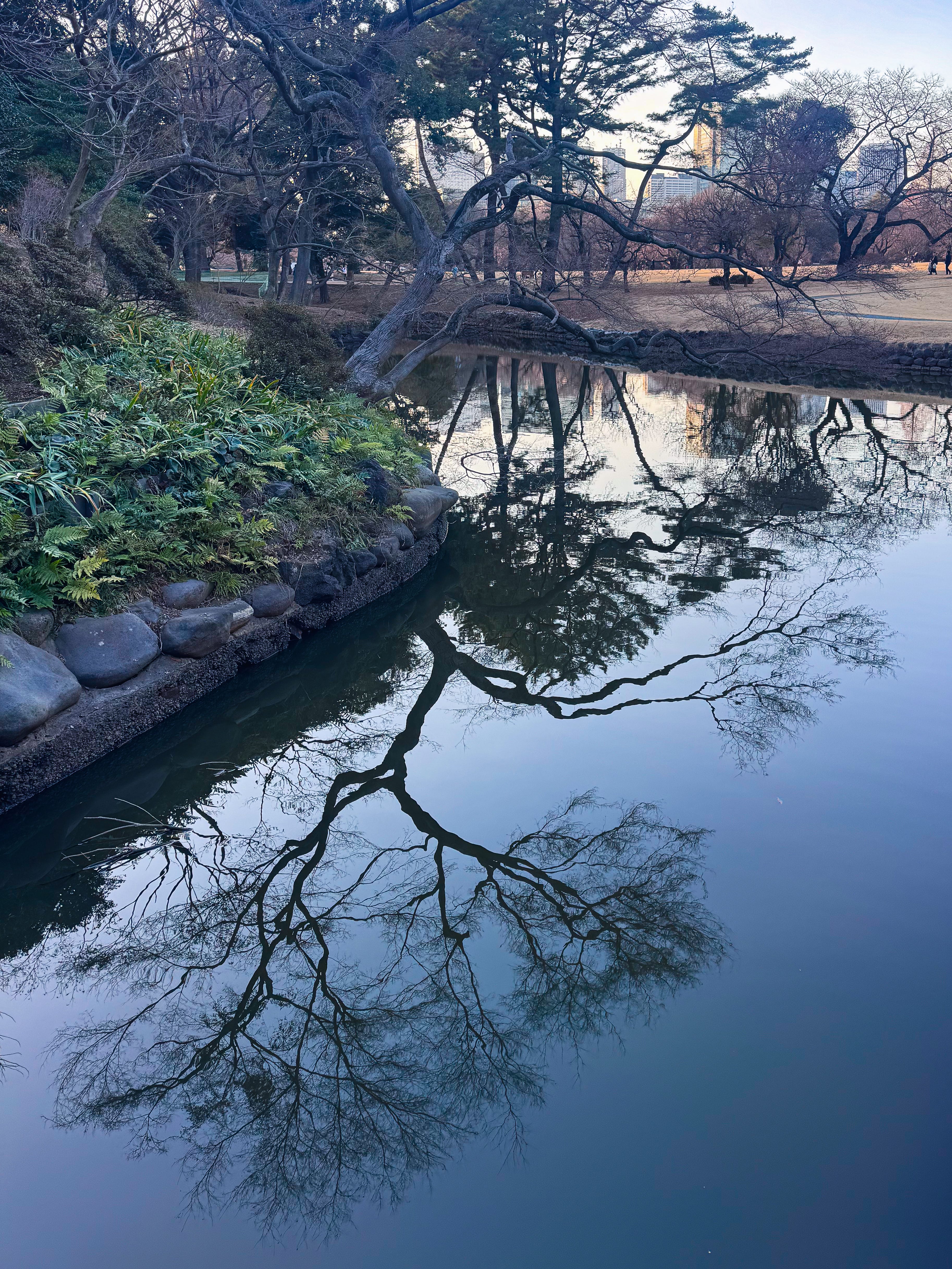
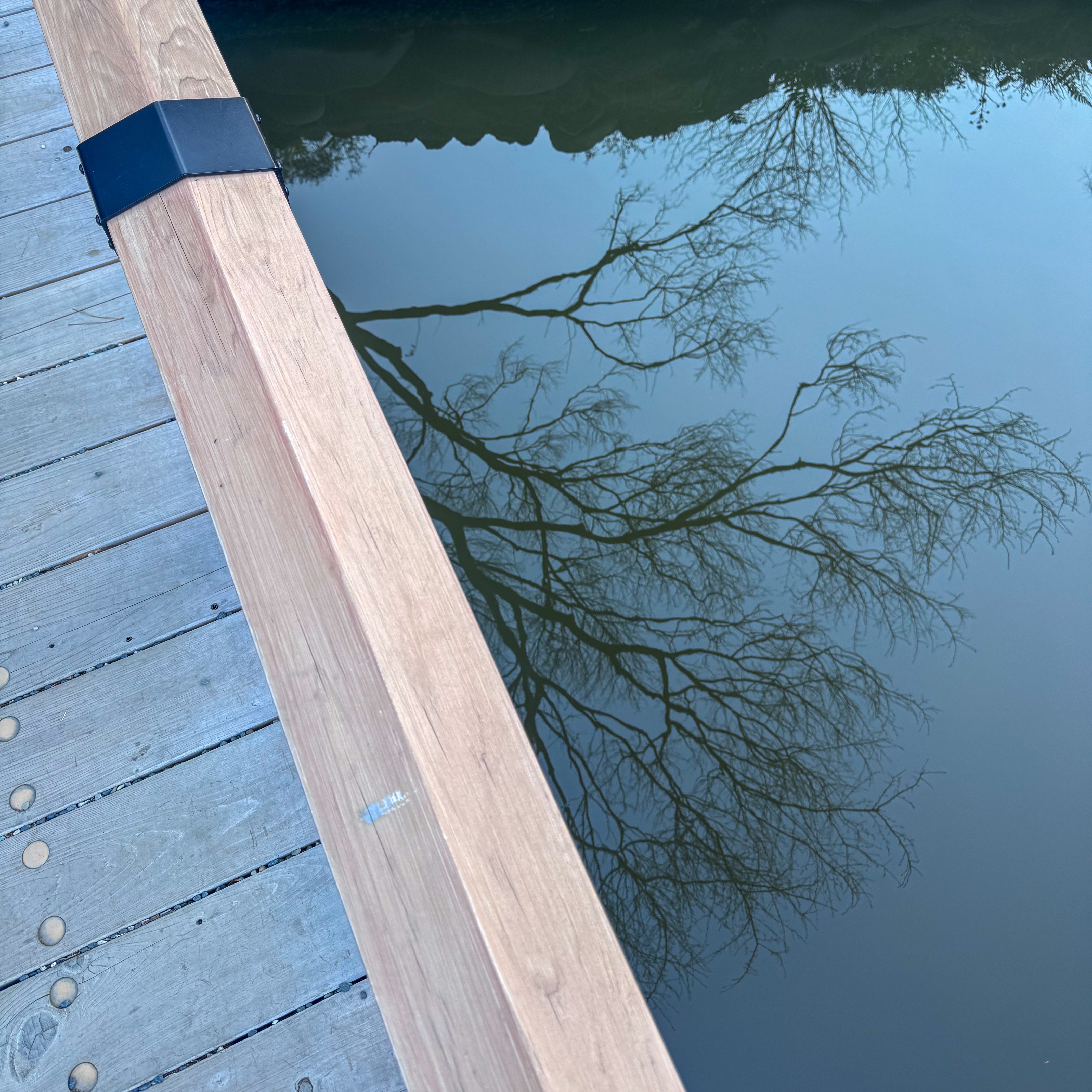
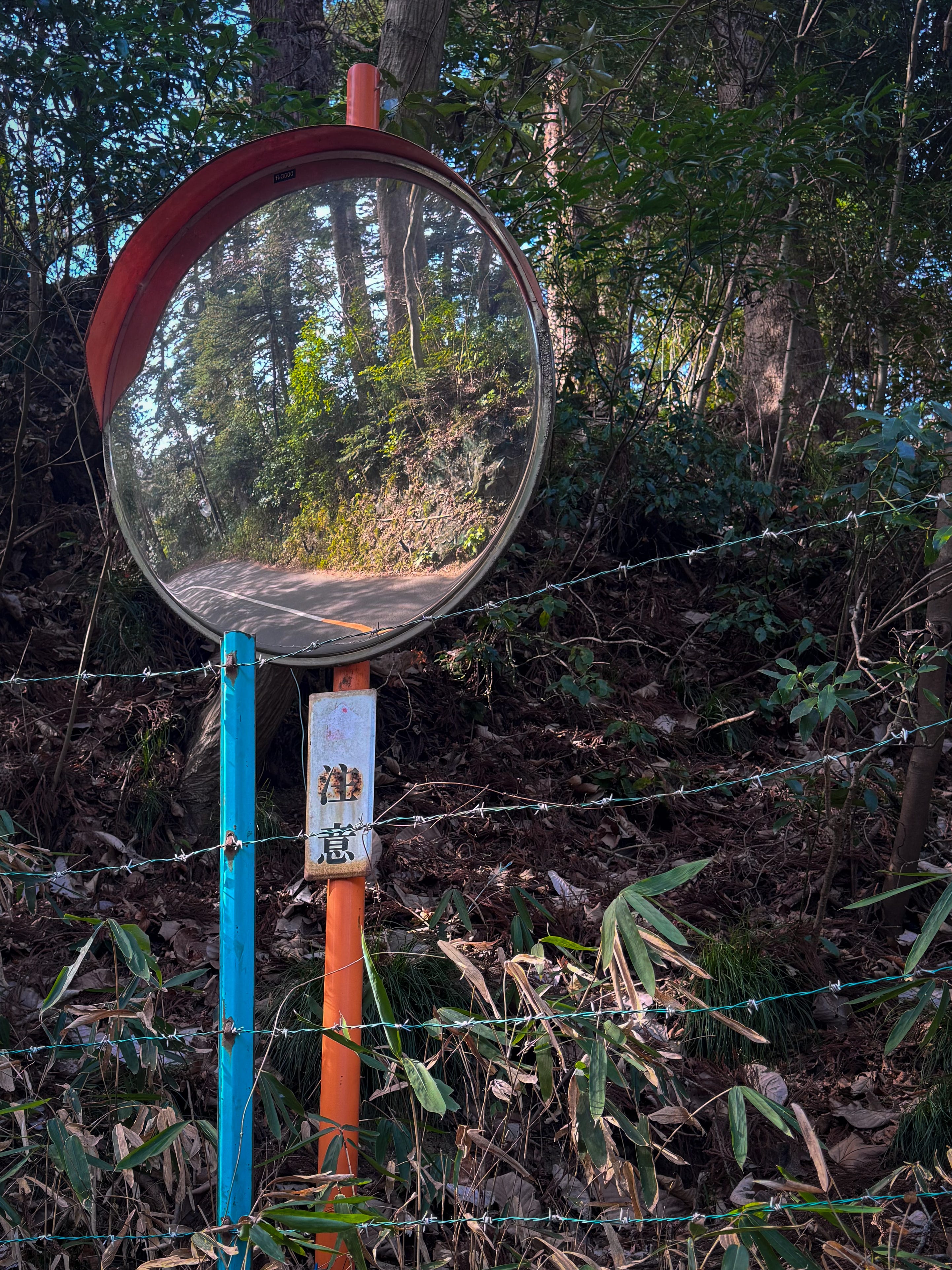
Reflections on living in Japan
Over the course of my life, I’ve been fortunate to travel to more than thirty countries, roughly ten of them across the Asia–Pacific region. One of the things that has always drawn me eastward is how distinct the experience feels. Like the butterfly effect, differences in geography, politics, religion, and philosophy have shaped societies that evolved along diverging paths from those of the West.
Of course, those cultures have never been fully sealed off from one another. Industrialization and globalization have intertwined them in visible ways. As I sit in a café writing this, American music is playing — a commonality that seems to happen in nearly every public space — and a Hollywood film is being projected on a distant wall.
Japan has clearly absorbed elements of Western culture. Yet after living here for the past two months, I’ve been struck by the many ways in which Japanese culture remains distinctly its own.
There is a lot of ambiguity
Of the languages I’ve studied, Japanese feels the most fungible. Meaning is often heavily dependent on the context of the conversation. Words can sound identical but carry different interpretations, and sentences are frequently left partially unsaid. There are many ways of saying what you mean and many more ways of not saying what you mean.
At times this can feel disorienting. I’ve left social interactions wondering what impression I made and whether I formed a genuine connection or whether someone was simply extending polite hospitality to a foreign guest.
A simple example is in handling invitations. Invitations themselves often include an implicit escape hatch, making it easier for someone to decline without social pressure. If you do wish to decline an invitation, you might say “今日はちょっと…” which means something like “Today is a little…” and then the sentence trails off without an ending. By leaving it unsaid you have functionally given a polite no without an awkward refusal.
In some ways, this reminds me of the American Midwest. We often use the word “interesting” to soften disagreement or avoid blunt criticism. In Japan, that instinct is present but more so. More deeply embedded in everyday communication.
Conformity vs. individuality
Coming from the United States, a strongly individualistic culture, certain differences stand out quickly here.
A simple example every visitor notices: the lack of trash cans. People are expected to carry their trash with them and dispose of it at home. The expectation is straightforward — you shouldn’t burden others with your waste. I sometimes wish more dog owners in Chicago felt that same responsibility…
A Japanese friend recently described workplace culture to me, highlighting another contrast. Major decisions are often made before the big meeting rather than during it. By the time executives gather, the consensus has already formed behind the scenes and the meeting is a formality. I’ve played the pre-meeting game with key stakeholders often, but rarely does it result in full consensus without the entire group present.
Many of these tendencies begin early. In American schools, students are encouraged to carve out their own path — to stand out academically, athletically, or creatively. Prioritization of individual successes takes precedence over participating in community activities.
In Japan, it’s common to see students in matching uniforms and identical backpacks, occasionally personalized with a keychain or small tchotchke. Many schools also require students to help clean classrooms and shared spaces. It’s not because Japan lacks janitors; rather, the practice reinforces habits of shared responsibility and care for communal environments. There is a sacrifice of personal time and energy to better the group.
And yet, despite these strong collective norms, individuality still finds expression. Hairstyles, fashion choices, and small personal accessories become subtle signals of identity within the broader structure of the group.
Deep appreciation for the seasons
Much of Japan experiences four clearly defined seasons, especially in Tohoku—the northern region of Honshu where we are now living.
Winter has beautiful snow and crisp, dry air. Spring arrives with cherry blossoms and fresh blooms of color. Summer rolls in hot with humidity, festivals, and fireworks. Lastly, Autumn sweeps through with vivid foliage and cool breezes.
While in Tokyo, I visited Shinjuku Gyoen several times over two weeks. Each visit revealed subtle changes. New blossoms opened for the first time, different corners of the park were prepared for the next phase of the season. Locals and tourists alike wandered the paths taking photos and pausing to appreciate the scenery. It was quite enchanting.
Across the culture, traditions and rituals have evolved to provide continuous and varied ways of appreciating each and every season notice. Food items change frequently and seasonal dishes, ingredients, and packaging change out often. Entire menus shift with the calendar. There is even an event (Setsubun) to mark the start of spring on the lunar calendar which involves throwing beans.
In the United States we see large seasonal shifts around holidays, but rarely around something like strawberry season or the arrival of local produce.
Paying attention to these small transitions made me feel more aware of time passing — the natural rhythms of the world cycling by. I hope time will slow down, but it keeps speeding by ever faster.
Bonus: Crows
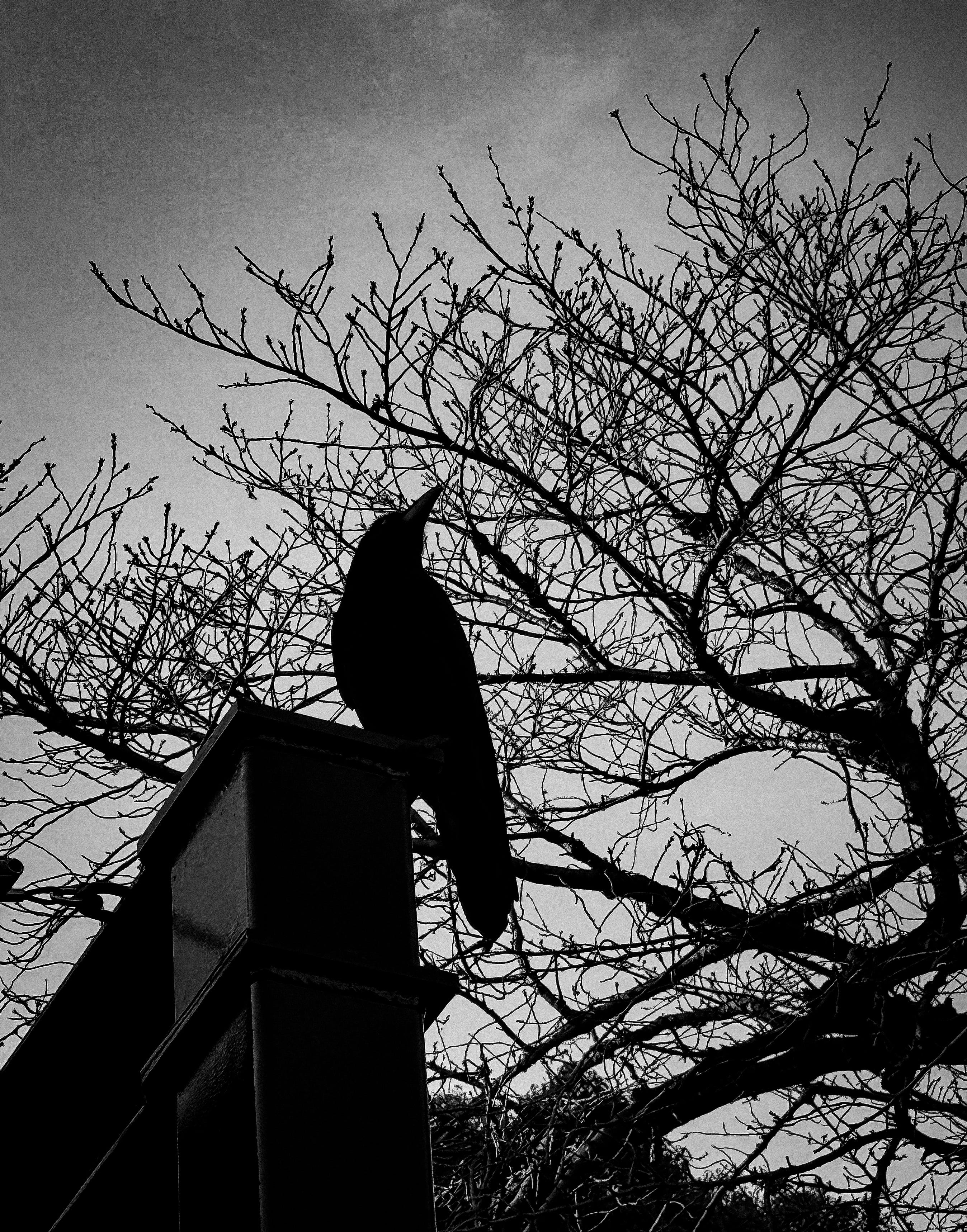
In one of my high school English classes, one assignment required us to memorize and recite a poem. I chose the The Raven by Edgar Allan Poe thinking it was a short poem - sadly it was not and is actually 108 lines long. Luckily the teacher let me do just a subset of the stanzas and it went fine. I was definitely no actor or rising star.
Thank you for listening to my old man story and enjoy this photo of a crow which reminded me of a poem about ravens.

Theme for next week | Geometric lines