Photography #6
Geometric Lines

Emily and I have been trying to savor the last moments of winter exploration. The season is in its final stretch, and the shift toward spring is happening rapidly. I’m used to Chicago, where winter lingers stubbornly and sometimes delivers a surprise snowfall well into April. Sendai, on the other hand, already feels like it’s moving forward. The first blossoms are beginning to appear, and the city has a sense of momentum toward spring.
For this week’s theme, geometric lines, I focus on different types of lines I can find in urban landscapes and nature. I‘m far from an expert using lines for composition, but they are powerful tools in photography. Lines guide the viewers’ eyes and focus to suggest motion and convey subtle meaning.
In this batch of photos, I tried to identify 1 or 2 dominant lines and compose each shot around those. I’ve paired the photos with travel stories from a couple recent adventures we took:
Zao Onsen | A small onsen village and ski-town in the Yamagata mountains near Miyagi.
Ginzan Onsen | Another small mountain onsen village, originally a silver mining settlement in the 1600s and supposedly one of the influences for Spirited Away.
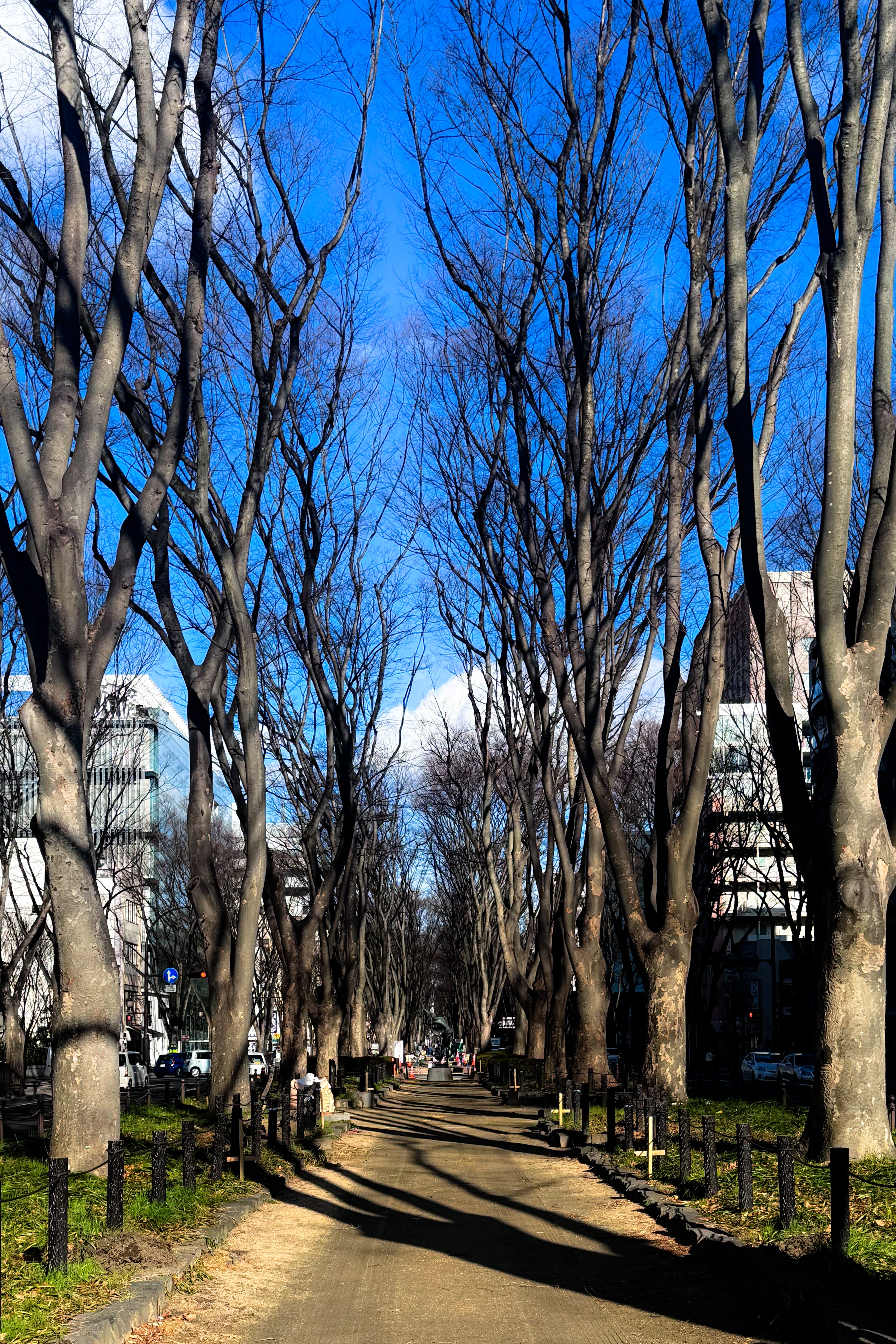
Sendai | We are settling into daily life here in Sendai and I’ve been taking many neighborhood walks as the temperatures climb into the 50s.
Zao
The Tohoku region is known for strong winters. Not quite as tough as Hokkaido but still cold, windy, and reliably snowy. Frigid, dry air sweeps off Siberia, crosses the relatively warmer Sea of Japan, and gathers moisture before crashing into the mountains of northern Japan. As the air pushed upwards, temperatures plummet and clouds unload heavy, wet snow.
That weather pattern creates one of the regions strangest winter sights, the “snow monsters”. By February, the trees on the slopes of Mount Zao have been coated with layers of wet snow that has frozen into towering, blobby mounds that barely resemble trees. Emily and I were super excited to see them in person for their otherworldly appearance (Link to what they look like at their peak).
Getting there, however, required a bit of logistics. Our route involved buses, trains, and ropeways: from Sendai Station to Yamagata Station, then onward to Zao Onsen, followed by the gondola up the mountain. More than two hours each way.
February 21st looked perfect - a beautiful, warm, and clear-skied day. Unfortunately, the day began with a small defeat as we missed our first bus (the stop numbers were not sequential). Forty minutes later we caught the next one and continued on, slightly behind schedule but optimistic.
We arrive 75 minutes later in Yamagata station… and were greeted by a massive line of 100 people waiting for the next bus to Zao Onsen. At the ticket counter we learned the gondola tickets were already sold out for the day. Their recommendation was to not bother going up this day. Sadness.
But we were determined. Emily and I found the next sunny day and planned an even earlier start time! After waiting a week, we board the earliest morning bus on March 1st.
This time we made it up! There is still a 45 minute wait to get through the line at the gondola, but we squeeze into an overly-filled compartment and begin the ascent.
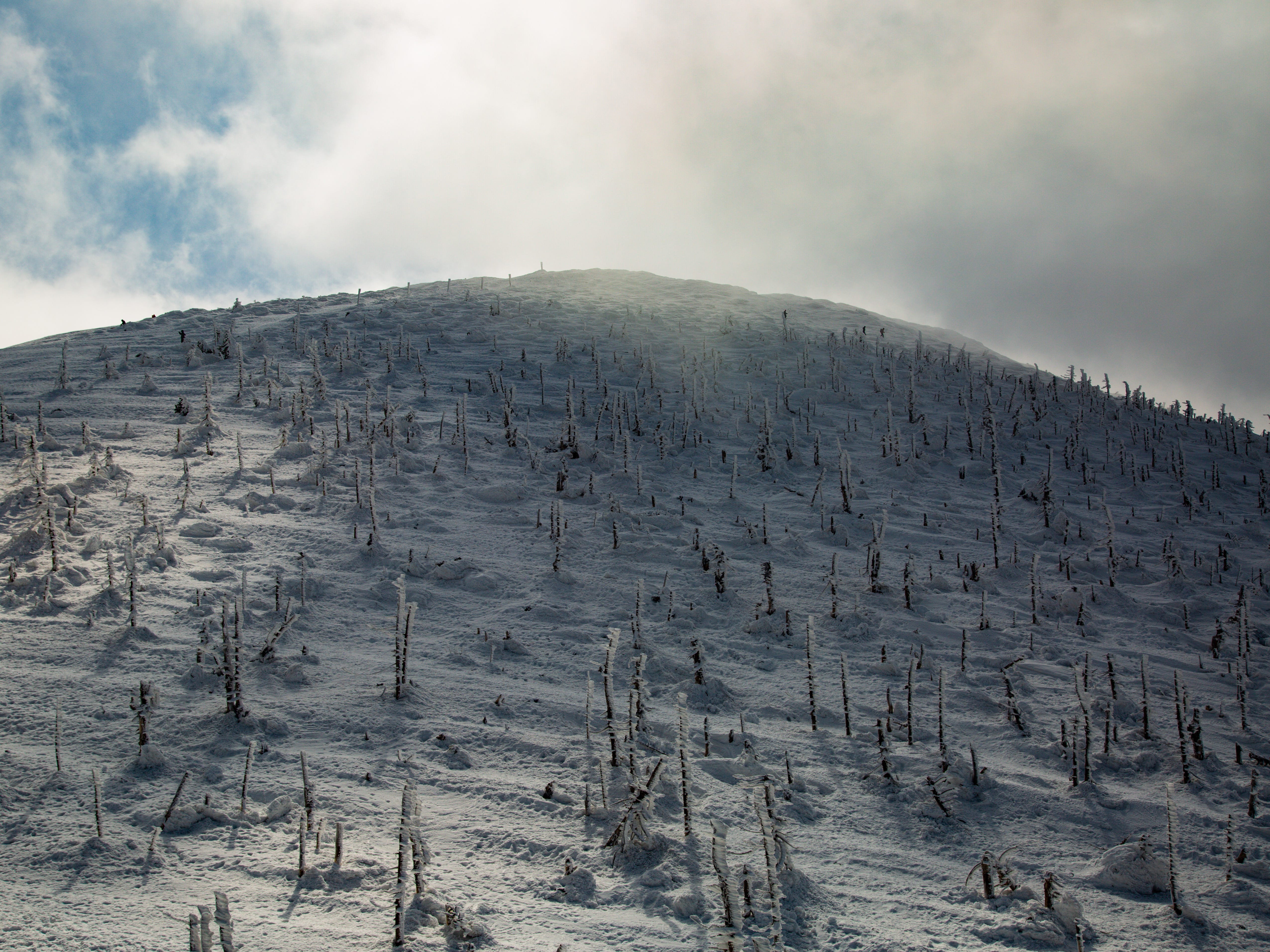
Below us were “rime trees,” their branches frozen into delicate white feathers glittering in the sunlight. The sights felt promising. Then, we crest the summit anticipating the snow monsters… only to be greeted by a slope of barren tree trunks. The snow monsters had already gone the way of Frosty the snowman on a hot summer’s day.
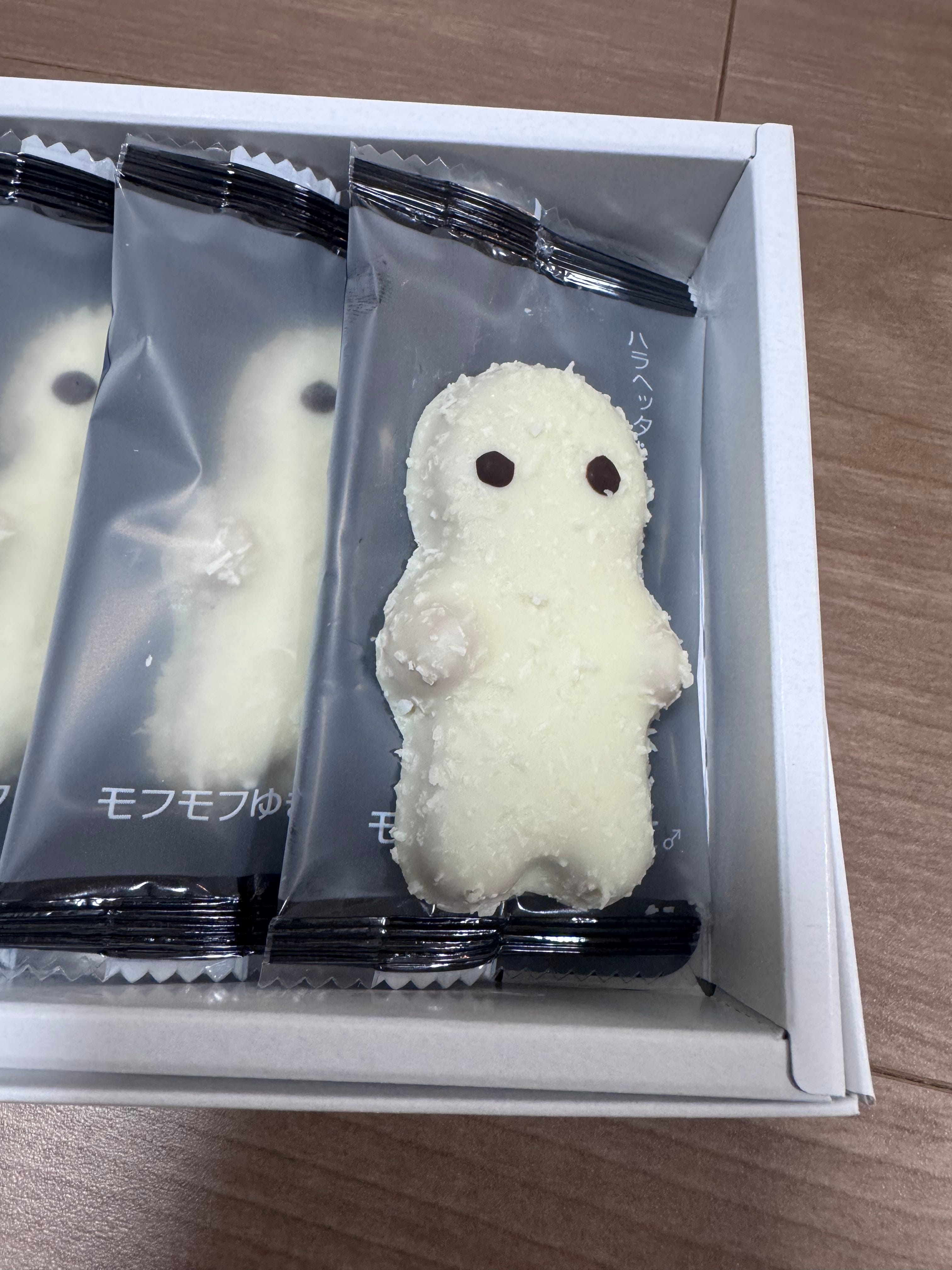
Long story short, we went to Zao Onsen to see the snow monsters and all I got was a cookie.


Ginzan Onsen
Ginzan Onsen truly is a tiny village tucked deep into the mountains. To reach it, we rented a car and drove into the far northern stretches of Yamagata Prefecture. Along the way Emily and I kept commenting that it felt like we were finally seeing rural Japan up close - small towns and quiet roads far removed from the modern cities we are accustomed to.
We arrived in the early afternoon and settled in for a slow lunch followed by a long café stop. The restaurant gave us the best seats in the house: a corner window overlooking the river.
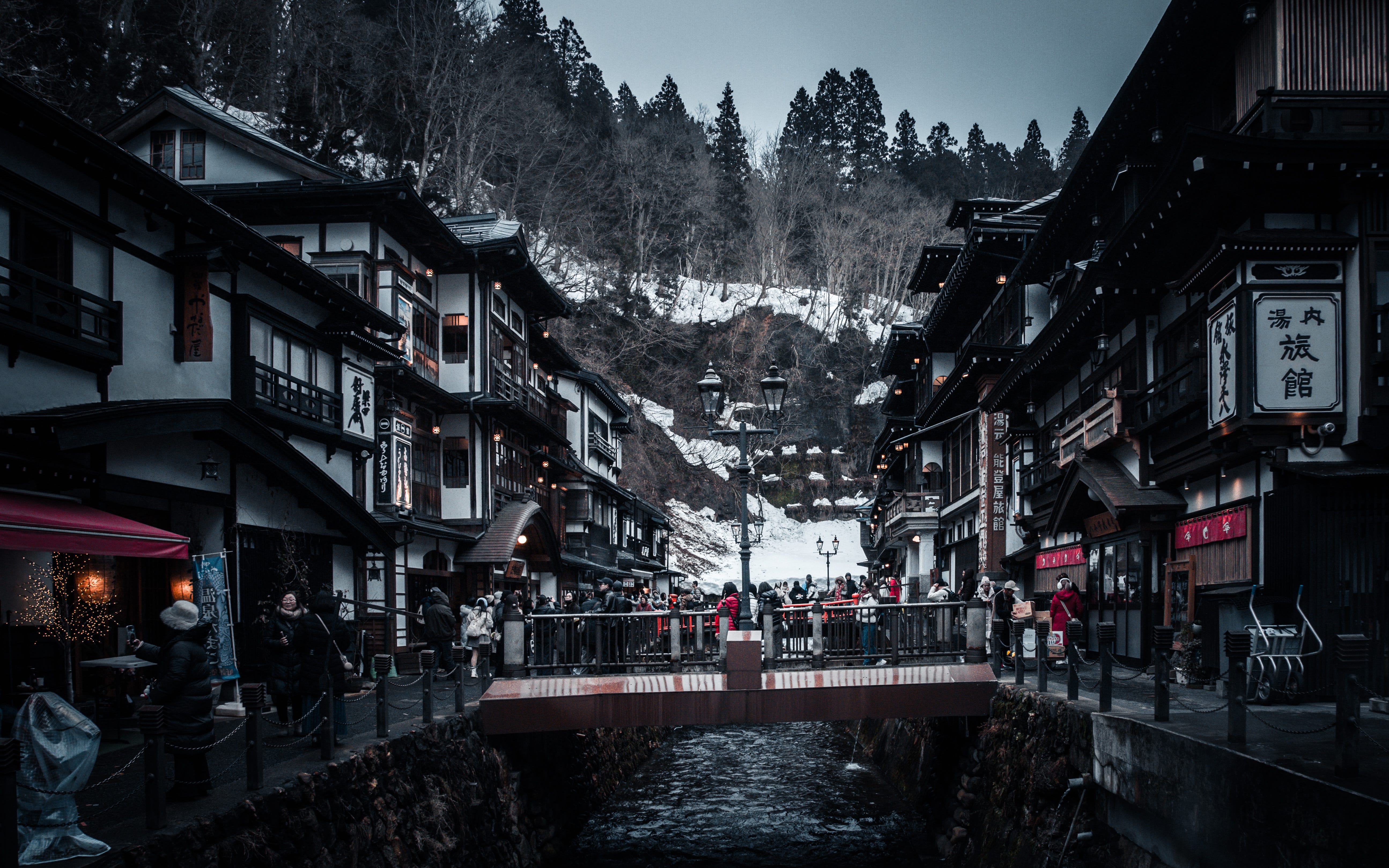
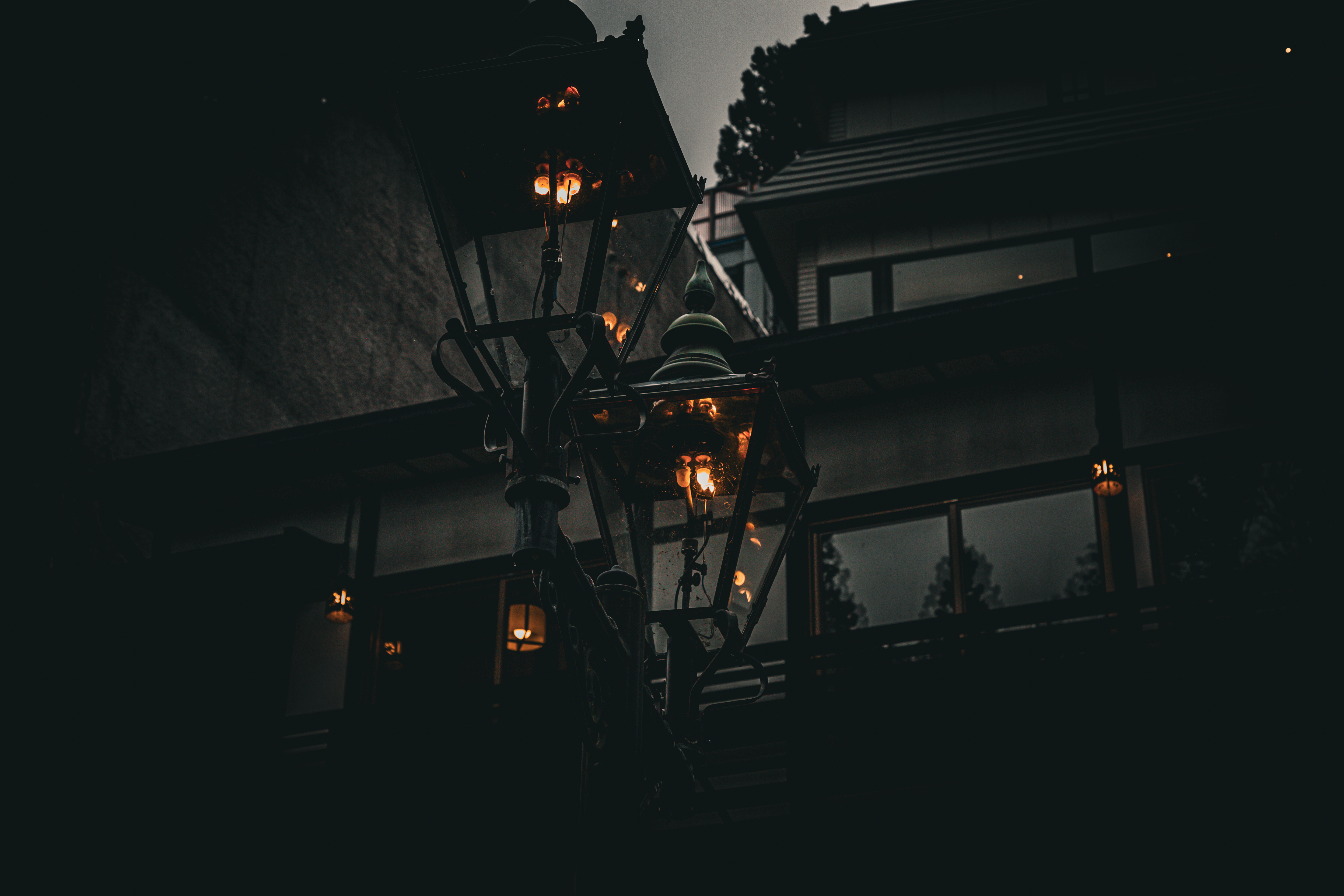
The town itself feels almost storybook-like. Small bridges crisscross the river, each with its own design. Every building has carefully crafted wooden exteriors, and the bathhouses rise several stories high with ornate façades and decorative, acrylic panels. One of the town’s most distinctive features is its old-fashioned gas lamps, which flicker on at dusk and illuminate the entire river walk.
We visited during the full melt of early spring, when the snow was beginning to disappear. Still, it was easy to imagine the scene during peak snowfall - stepping outside at night into softly falling snow, warm lights reflecting on the river, and stars overhead.
As evening progresses, however, the quiet atmosphere changes. More and more tourists pack into the narrow stretch of historic ryokan. Busloads arrive for quick photo sessions once the lamps are lit. Because there is only one shuttle route between the town and the parking area, the return line stretches to well over an hour. Emily and I are becoming experts at standing in lines.
One additional milestone for the day: this was my first time driving on the left side of the road. It turned out to be easier than expected, though I got plenty of practice making careful right turns.


Sendai
It has been a relief to finally settle in one place and not pack up our bags every other week. Ever since we moved to Charlottesville for our MBA, I’ve typically cooked dinner at home for the large majority of meals. Here, though, we had a four- to five-week stretch where we ate out for nearly every meal. Japan has incredible food and endless variety, and I’ve loved exploring it—but there’s something grounding about cooking your own meals.
Now that we have a minimally functional kitchen again, it has been a joy to get back into that rhythm. Grocery shopping has become its own small adventure, too. Wandering the aisles and deciphering labels might be the most practical way to learn the names of vegetables, meats, and ingredients in Japanese. I feel fortunate to have Google Translate and other tools because I don’t know how I would’ve navigated otherwise.
During our short time here so far, the most common question we get is: “How did you choose Sendai?” People in Tokyo tend to ask with a kind of amused confusion, as if we made a very unusual choice. People from Sendai ask with curiosity, but usually nod once we explain.
A few things drew us here:
A major city without Tokyo’s intensity. Tokyo has an incredible energy, but we wanted a place that felt more livable day-to-day. Fewer tourists and expats meant we’d have to engage more fully with local life. In retrospect, I think we would’ve found Tokyo quite livable - it doesn’t have the same intensity and density as NYC.
Nature in every direction. Sendai is often called the “City of Trees,” and it lives up to the name. Mountains rise to the west and the Pacific Ocean lies to the east, making it easy to escape the city.
A welcoming reputation. Many people describe the region as friendly and open to foreigners, and there are language-learning communities and resources that make settling in easier. Nevertheless, it has been quite difficult making real connections with people here and forming friendships. Relationship-building takes time but the language and culture barriers are also real.
University presence. Tohoku University brings in international students and faculty, which adds a global dimension to the city.
Spring is just beginning to arrive in Sendai, and I’m excited to watch the daily changes as buds start to open and the city wakes up from winter. Over the next few weeks Emily and I are hoping to explore more of the region with trips out to Matsushima Bay for its island-dotted views, to Tashirojima (aka. ‘Cat island’), and to Yamadera, which is a shrine that sits high on a mountainside above the valley.


Theme for next week | Morning light