Photography #9
Dramatic Landscapes

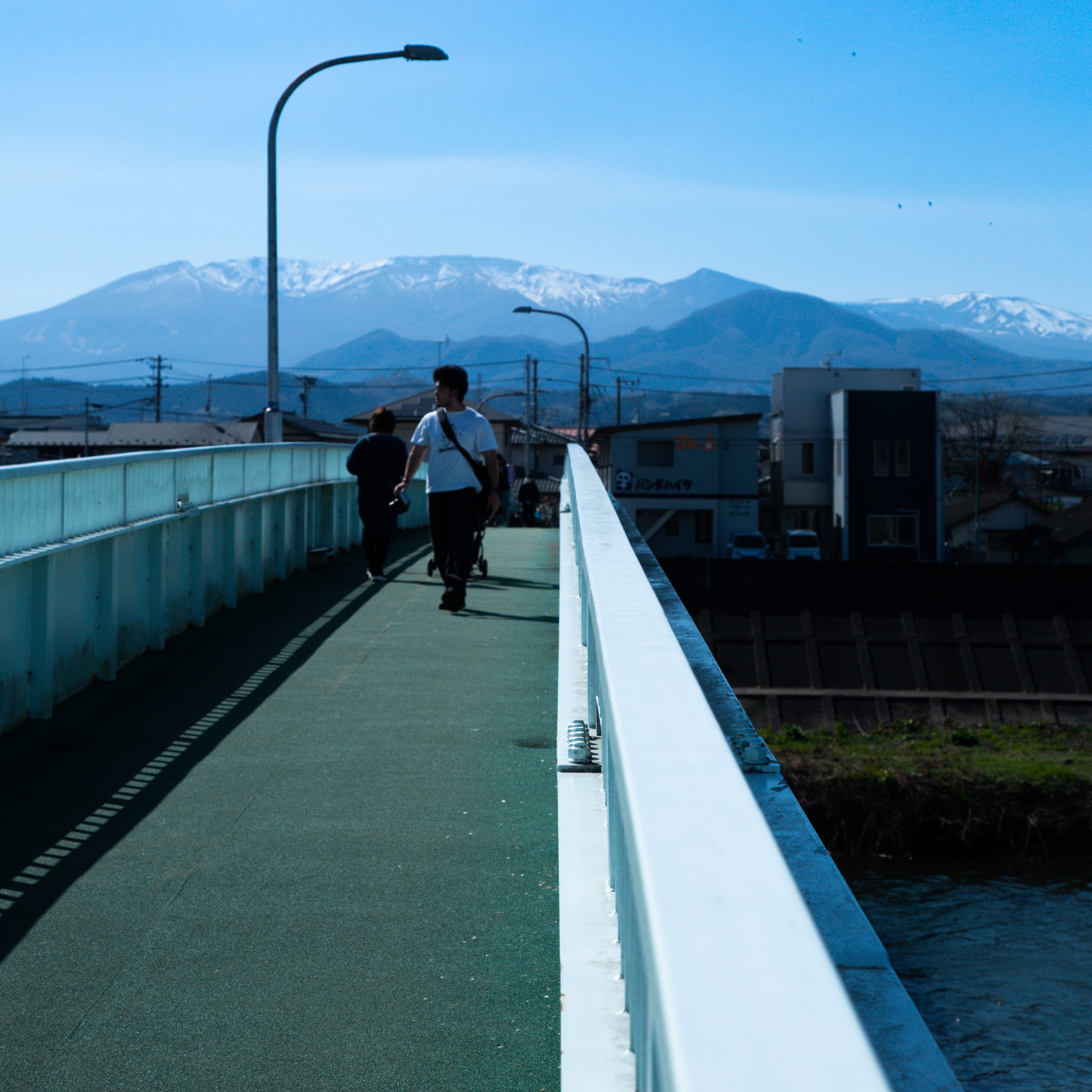
Miyagi Prefecture contains mountains, forests, and sea, creating contrasting landscapes in close proximity. Yamagata Prefecture, adjacent and only 75 minutes away up in the mountains, also adds easy access to more nature and exploration. Emily and I have a long, long list of places we want to visit in both of these prefectures and are really excited for the final two months we have here.
This week’s theme focuses on landscape photography — how to frame and capture large scenes that encompass many disparate elements. I’ve been working with the rule of thirds, dividing the frame into a 3×3 grid to emphasize different elements (e.g., sky, mountains, land) both vertically and horizontally, and using foreground elements to add depth, color, and framing to what appears behind them.
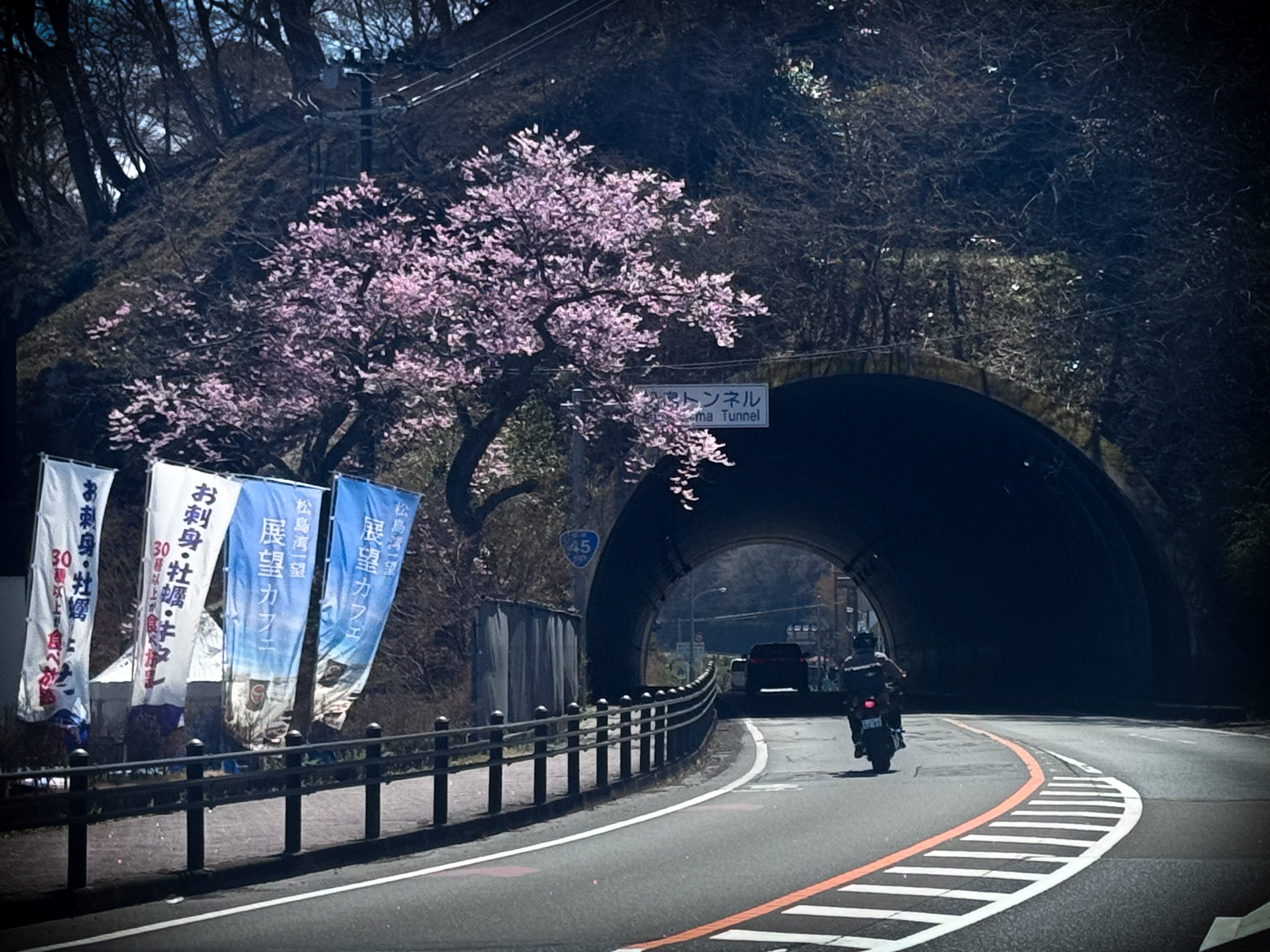
I’ve also included amongst the landscapes a few other shots of cool things we saw around the places we visited that I thought captured how unique they were.
Matsushima Bay
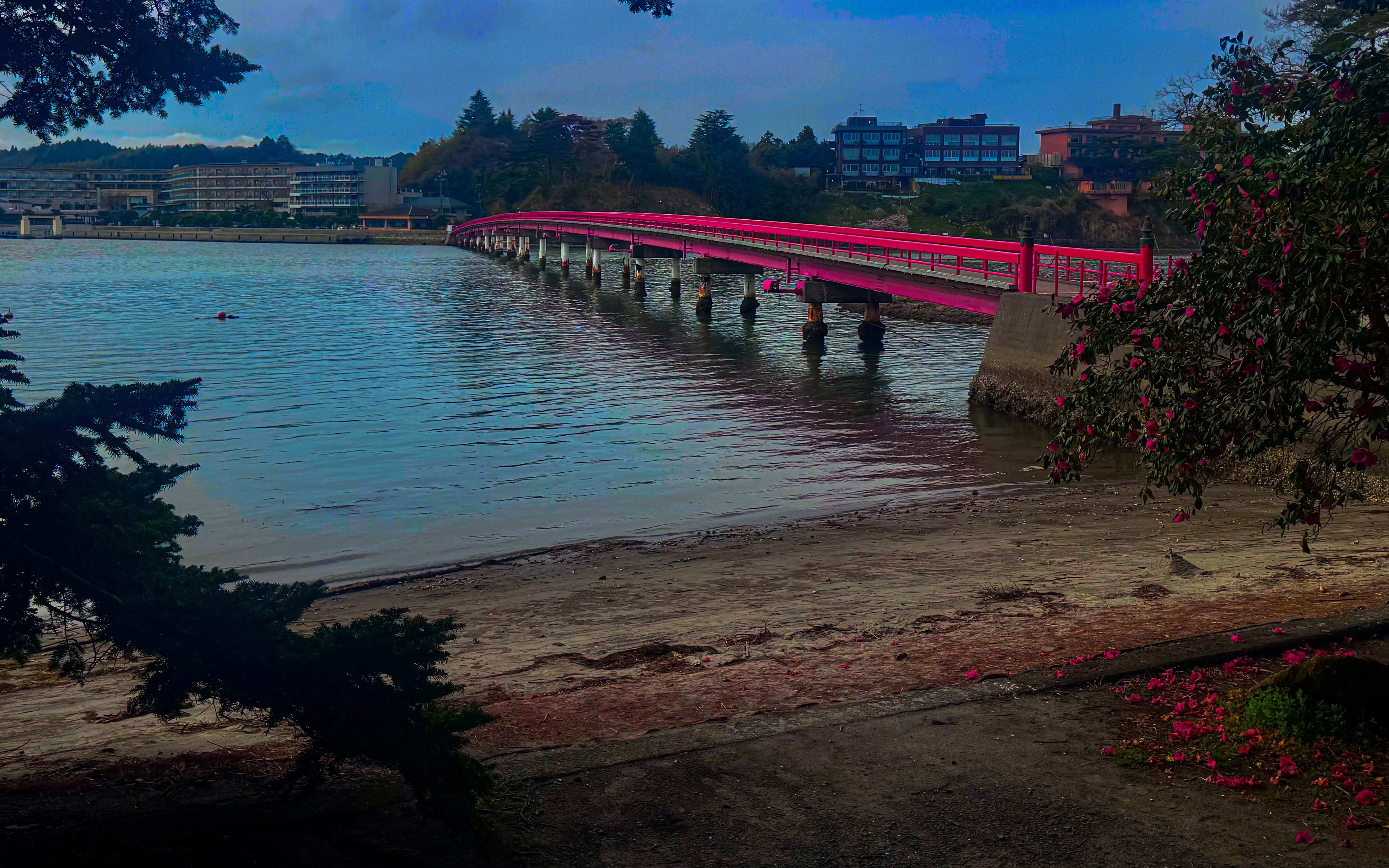
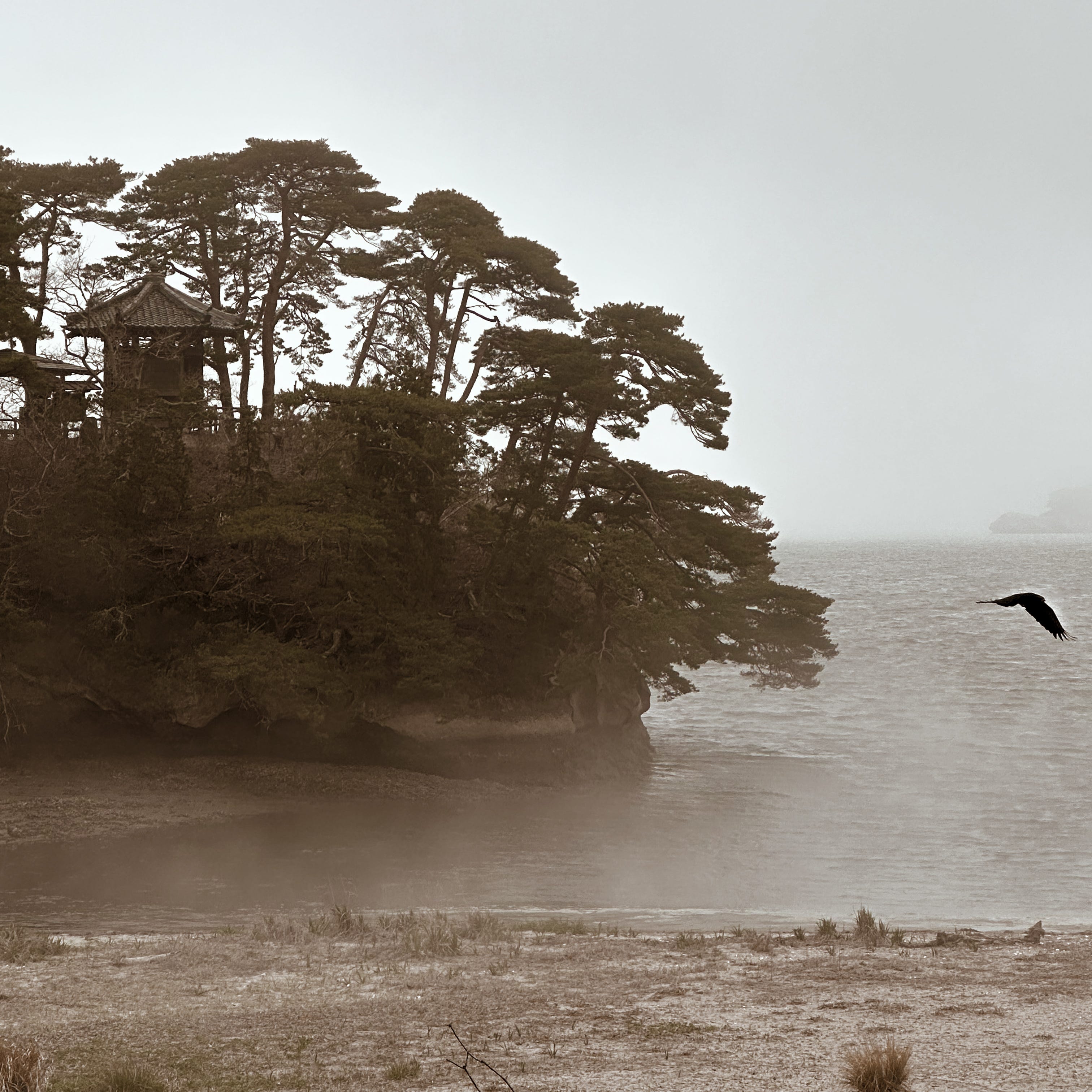
Praised as one of Japan's most scenic views, this bay holds over 200 small islands covered in pine trees and other vegetation. Our day was mostly sunny, but high winds brought in fog that created an eerie feeling as we explored Oshima Island. There was more than we could possibly explore in one day, so we will definitely be coming back, especially when the cherry blossoms and wisteria are in full bloom.


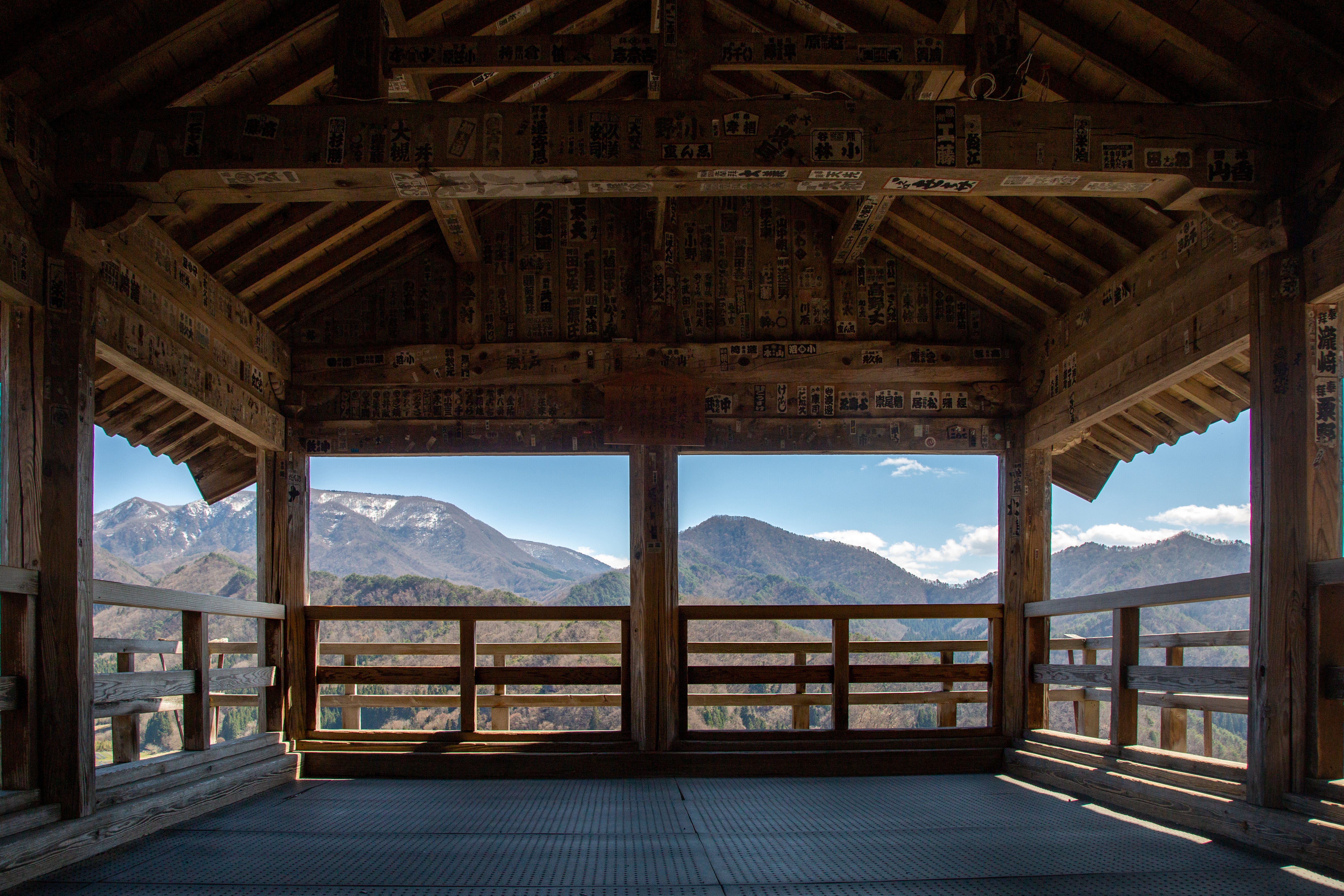
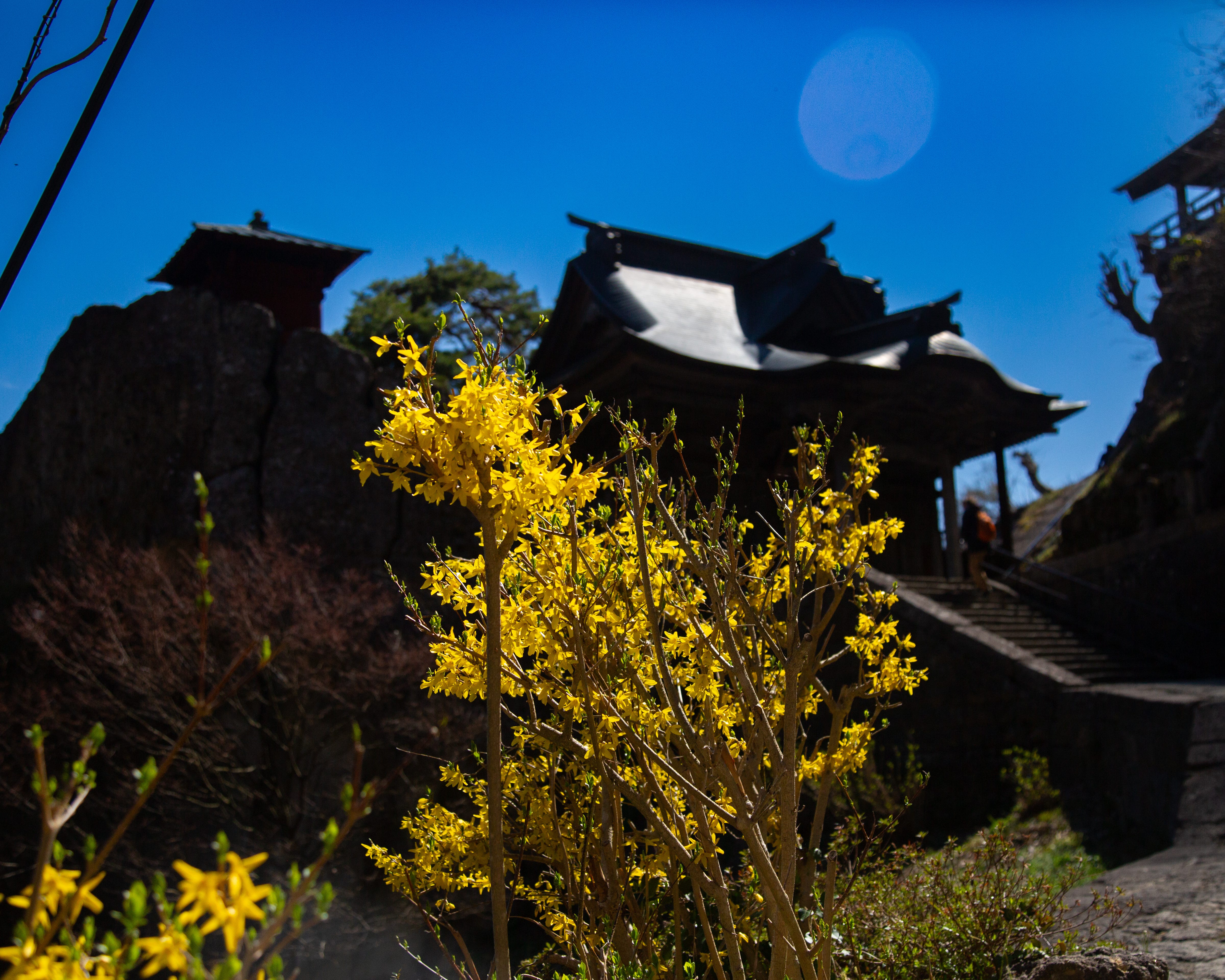
Yamadera Shrine
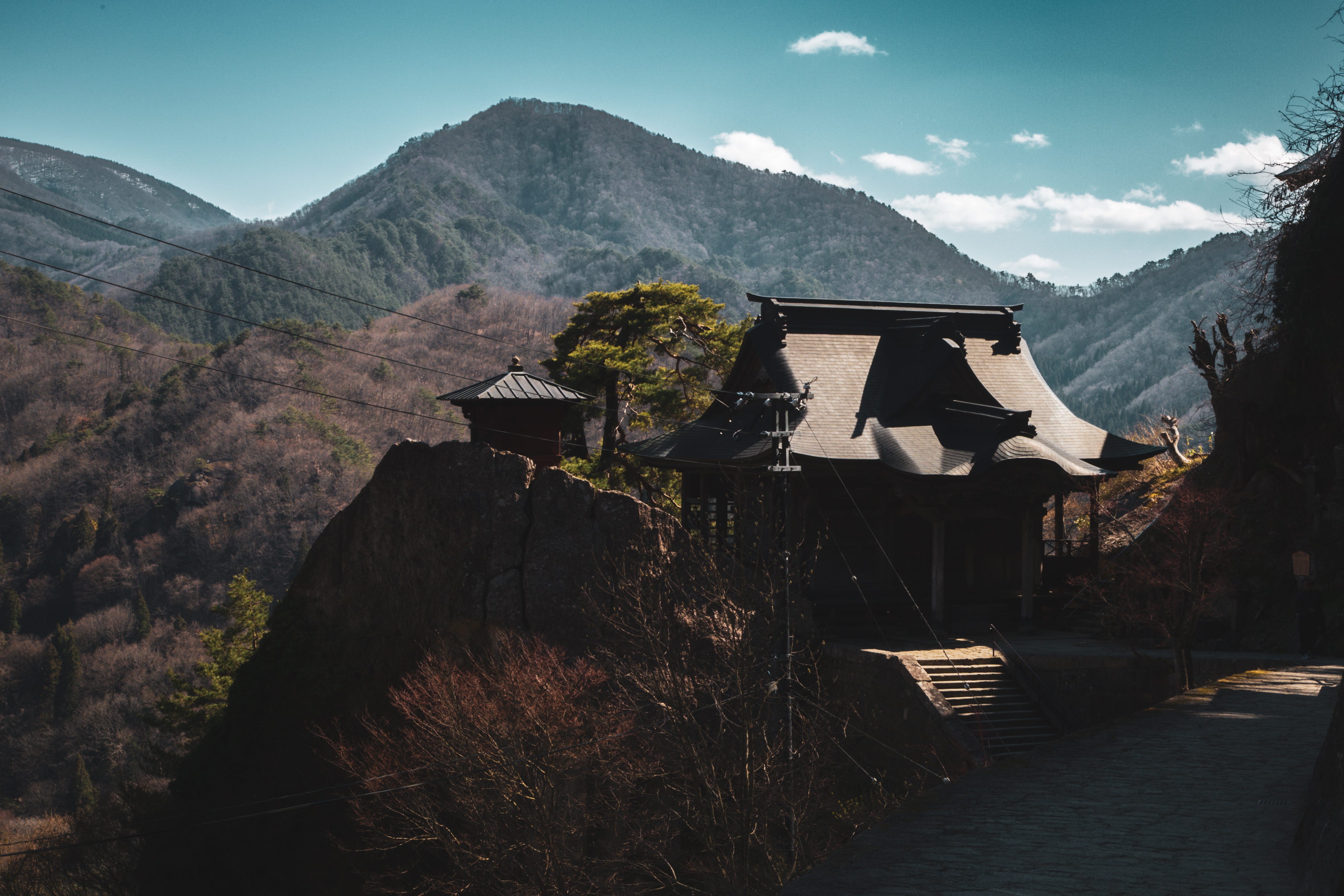
Also known as Risshaku-ji, this Yamagata temple was founded in 860 and is well over 1,000 years old. Visitors start at the base of the mountain and climb 1,000 steps to reach the temple (and mailbox!) at the top of the peak.
The famed poet Bashō visited here in July of 1689 on his journey to the deep north of Japan and wrote one of his most famous haiku. There are many interpretations of the meaning of this poem — the contrast of silence with the noise of cicadas, the permanence of rock versus the fleeting life of the cicada.
~ Basho’s Haiku ~
閑けさや (Shizukesa ya) — The stillness.
岩にしみいる (Iwa ni shimiiru) — Seeping into the rocks.
蝉の声 (Semi no koe) — The cicadas’ cries.






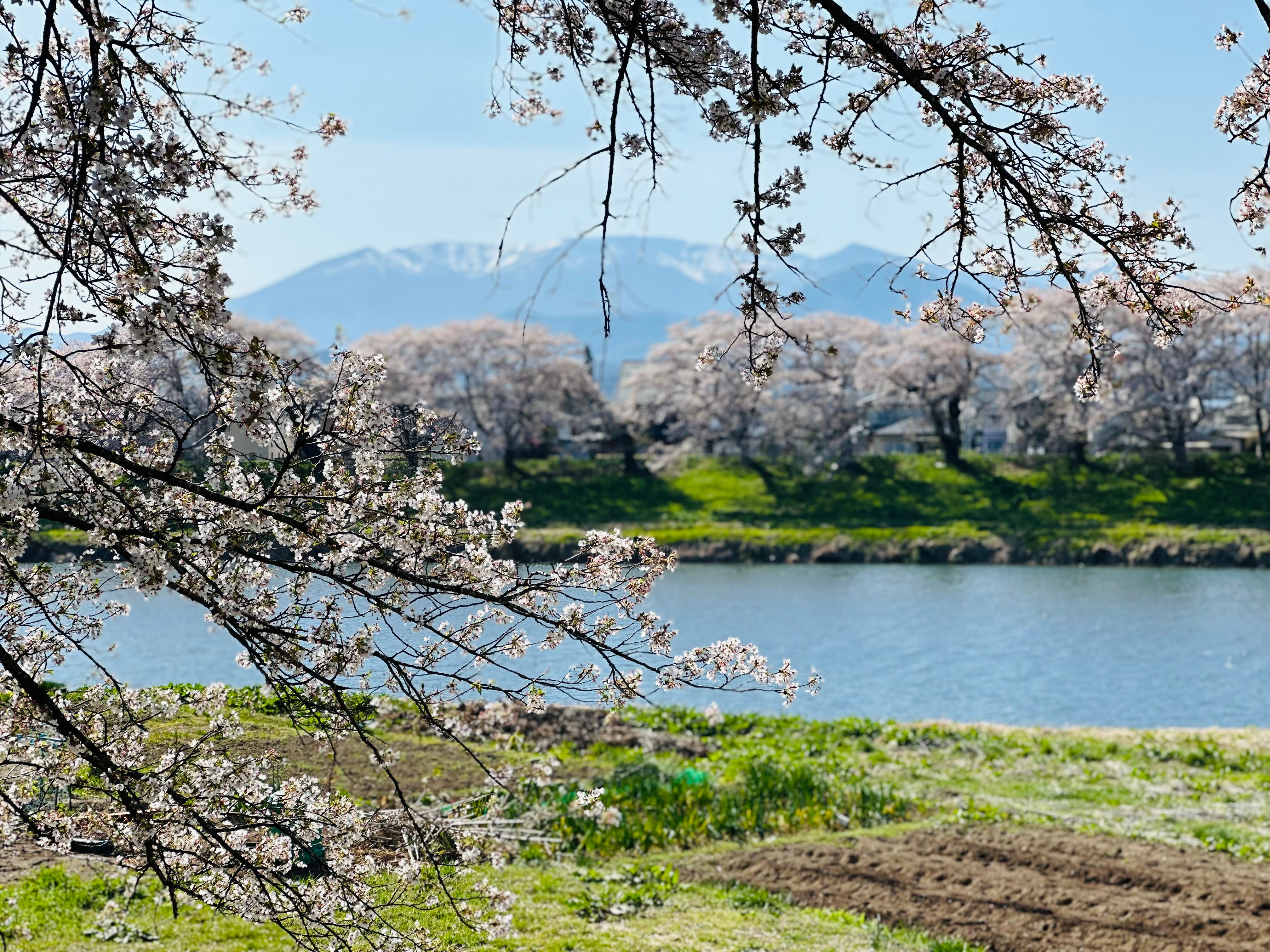
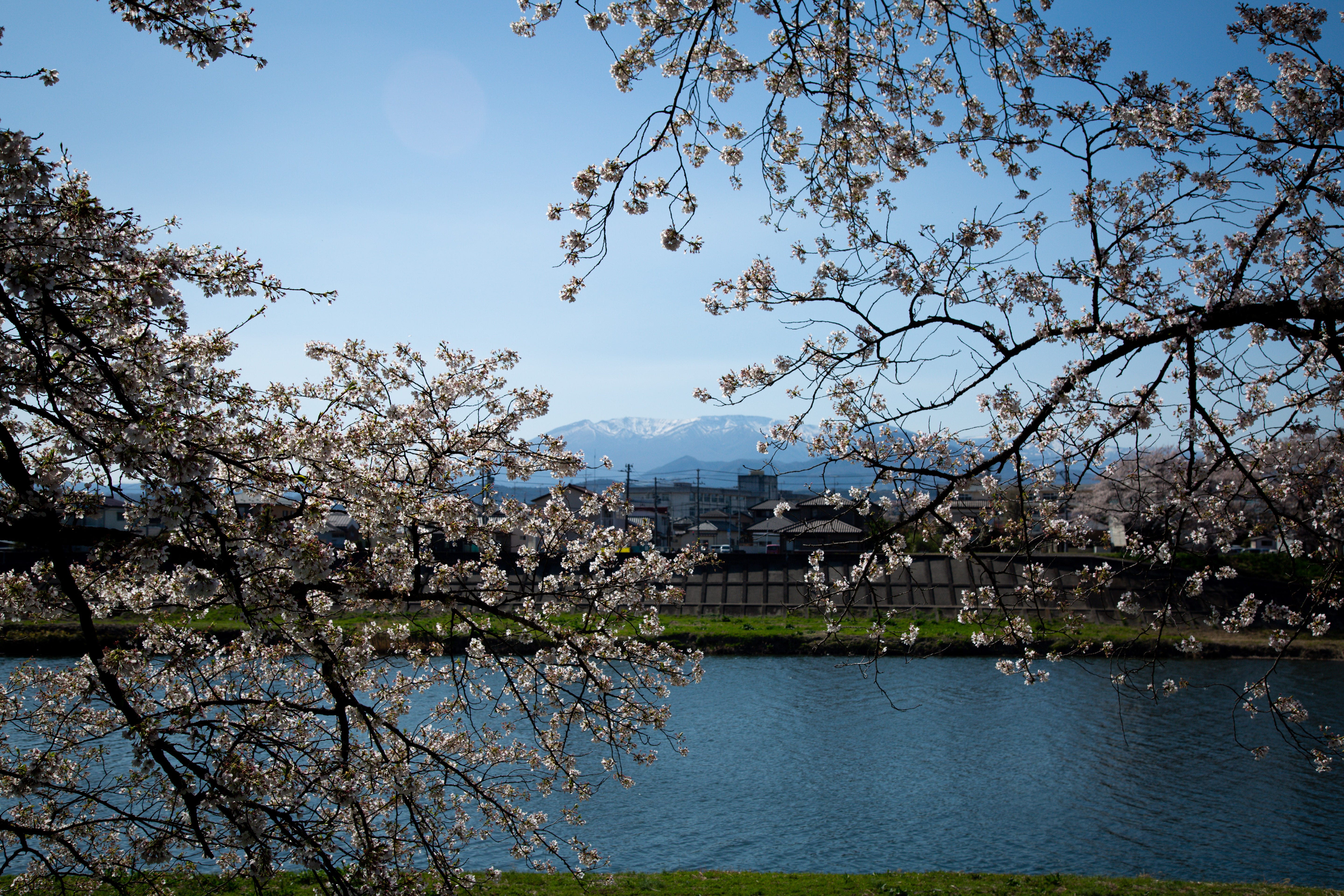
Hitome Senbon Sakura (Shiroishi)
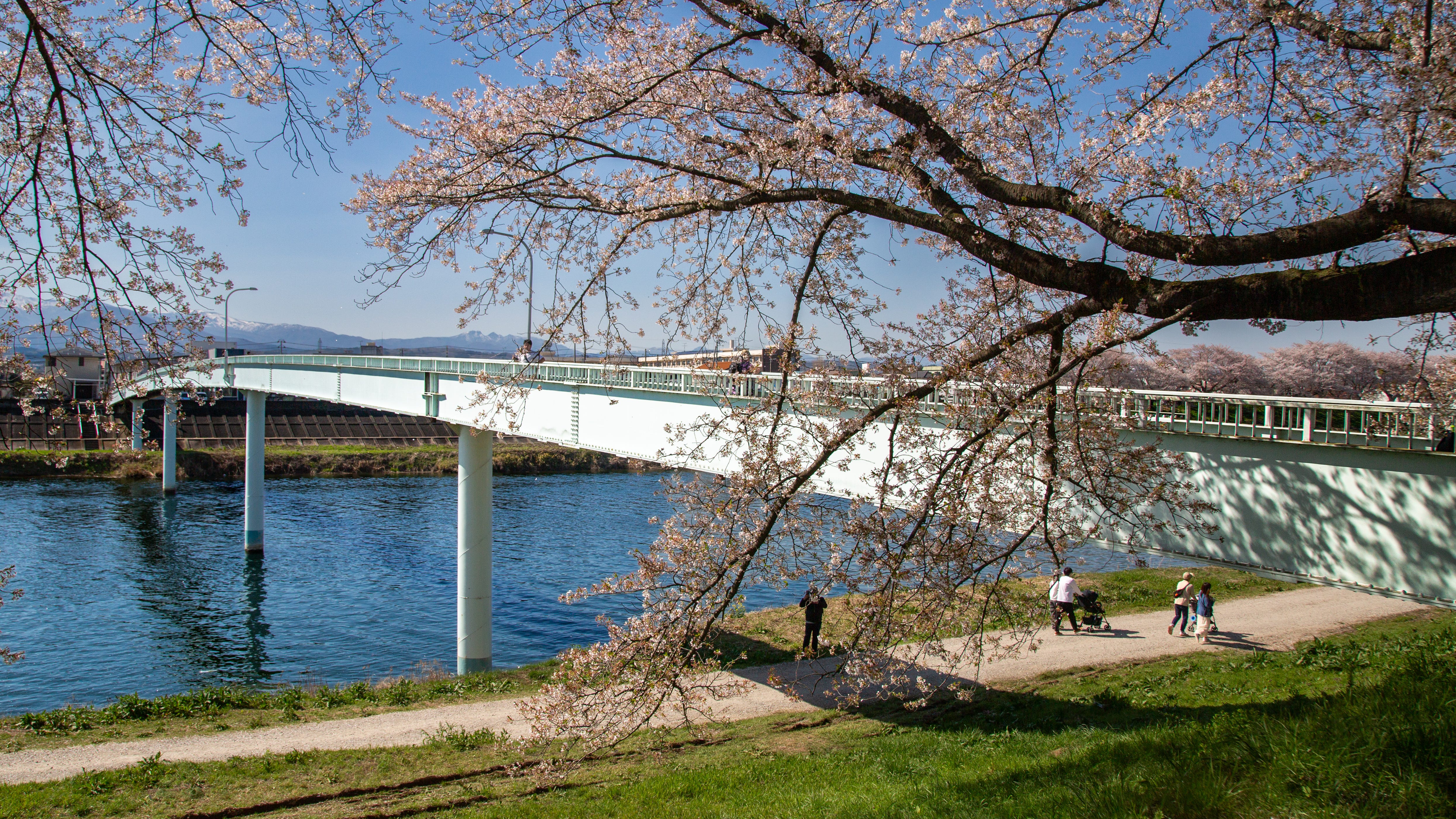
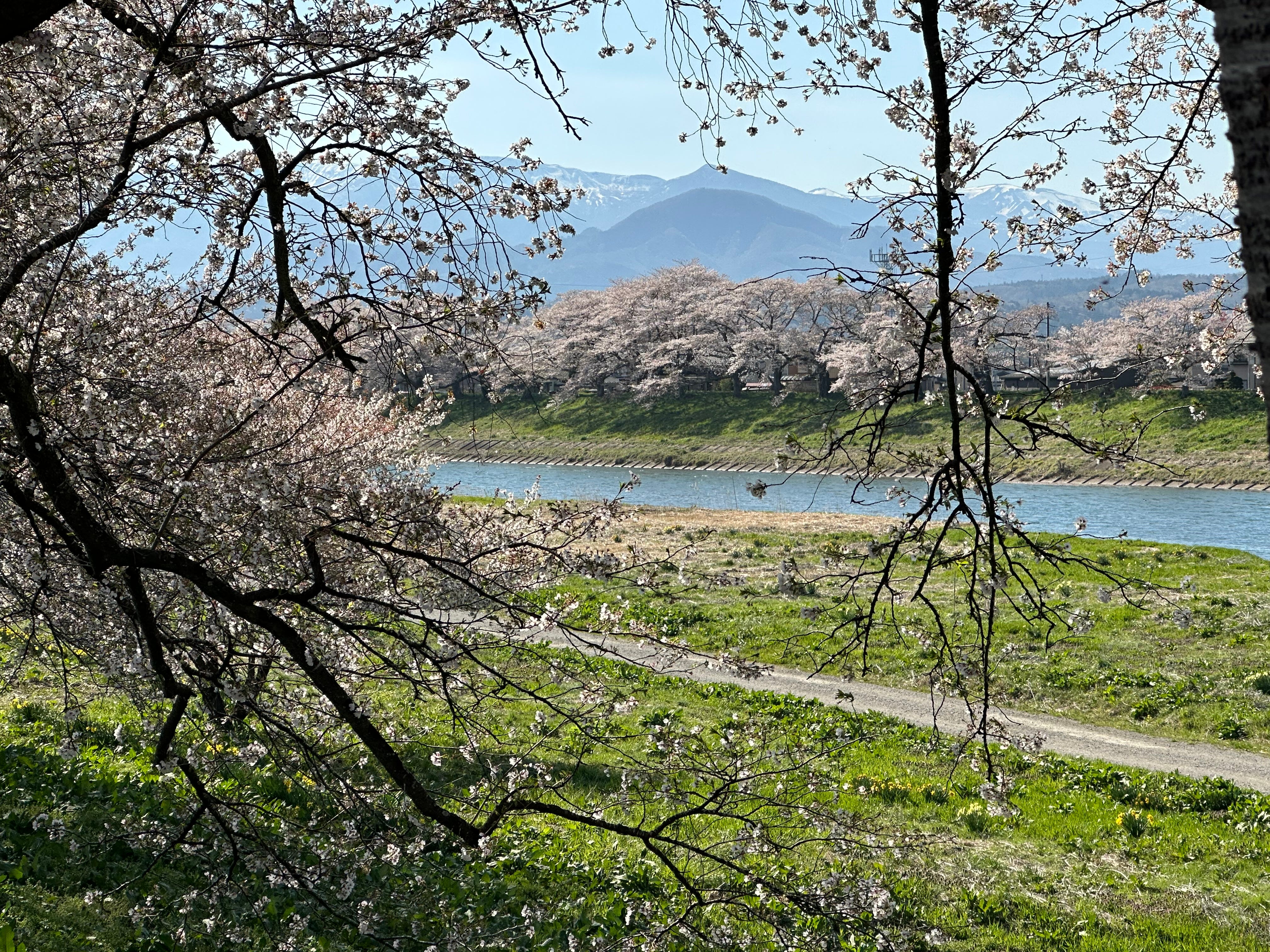
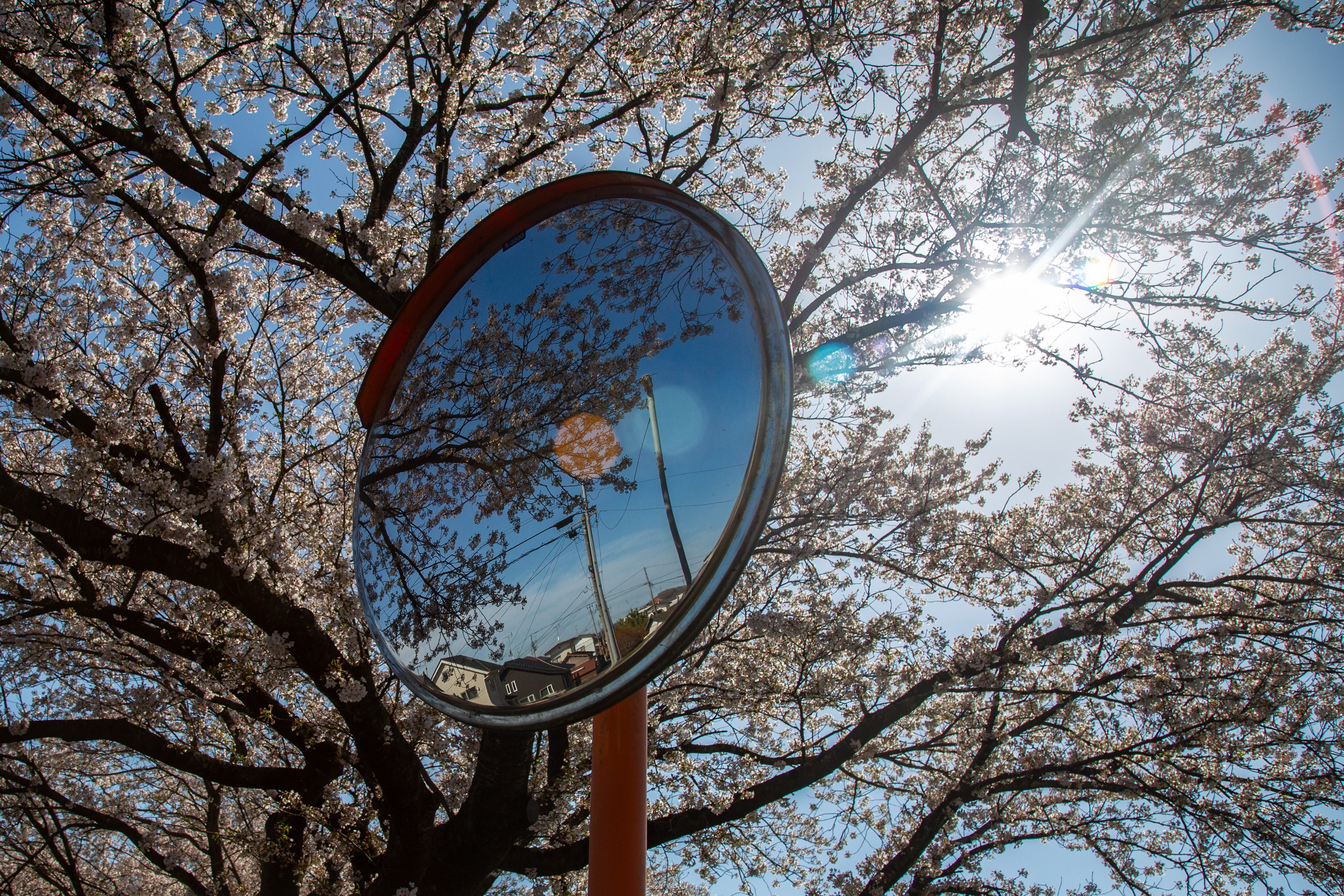
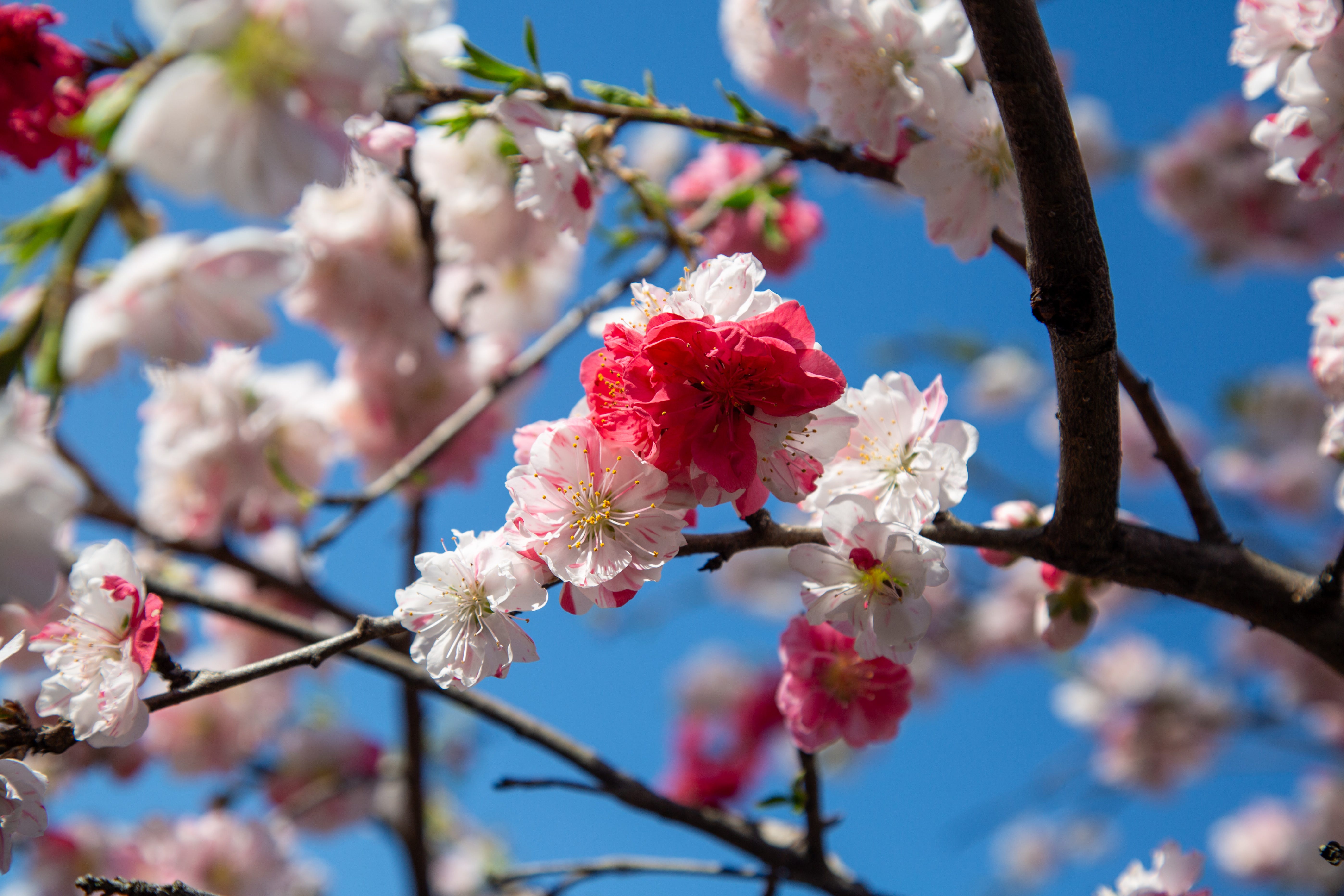
WOW. I was blown away by this river park, adorned with over 1,000 cherry blossom trees. We had intended to visit over the weekend, but high winds canceled most of the train lines heading there. So we visited on Monday instead and had a much less crowded experience — and there were still so many blooms on the trees that the wind hadn’t knocked off. In fact, the ground might’ve been even more decorated with fallen petals.
In the 1920s, a local entrepreneur named Kaijiro Takayama donated 1,200 saplings to be planted along the riverbanks. Over 100 years later, 300 of those original trees survive and the area has become a celebrated destination. It’s a reminder of what lasting generosity looks like — one person’s investment in beauty, still paying off a century later.
Often, as a tourist, I’ve felt I had to go to the “touristy” spots for the greatest views or the best experience. In Chicago, if you want flowers you go to the Botanic Garden. Mt. Fuji has the most iconic mountain view in Japan; Kyoto has the most famous temples and shrines.
But I’ve found that Japan rewards venturing off the beaten path. The best things may be curated by passionate people over many years and never recognized as international travel destinations. According to the World Economic Forum, 73% of overnight stays in Japan are concentrated in just five prefectures: Tokyo, Osaka, Kyoto, Hokkaido, and Fukuoka. While those places may have the most well-known spots, Miyagi and Yamagata have delivered experiences that rival anything we’ve seen — and with far fewer crowds.


Bonus: Rakuten Eagles Game
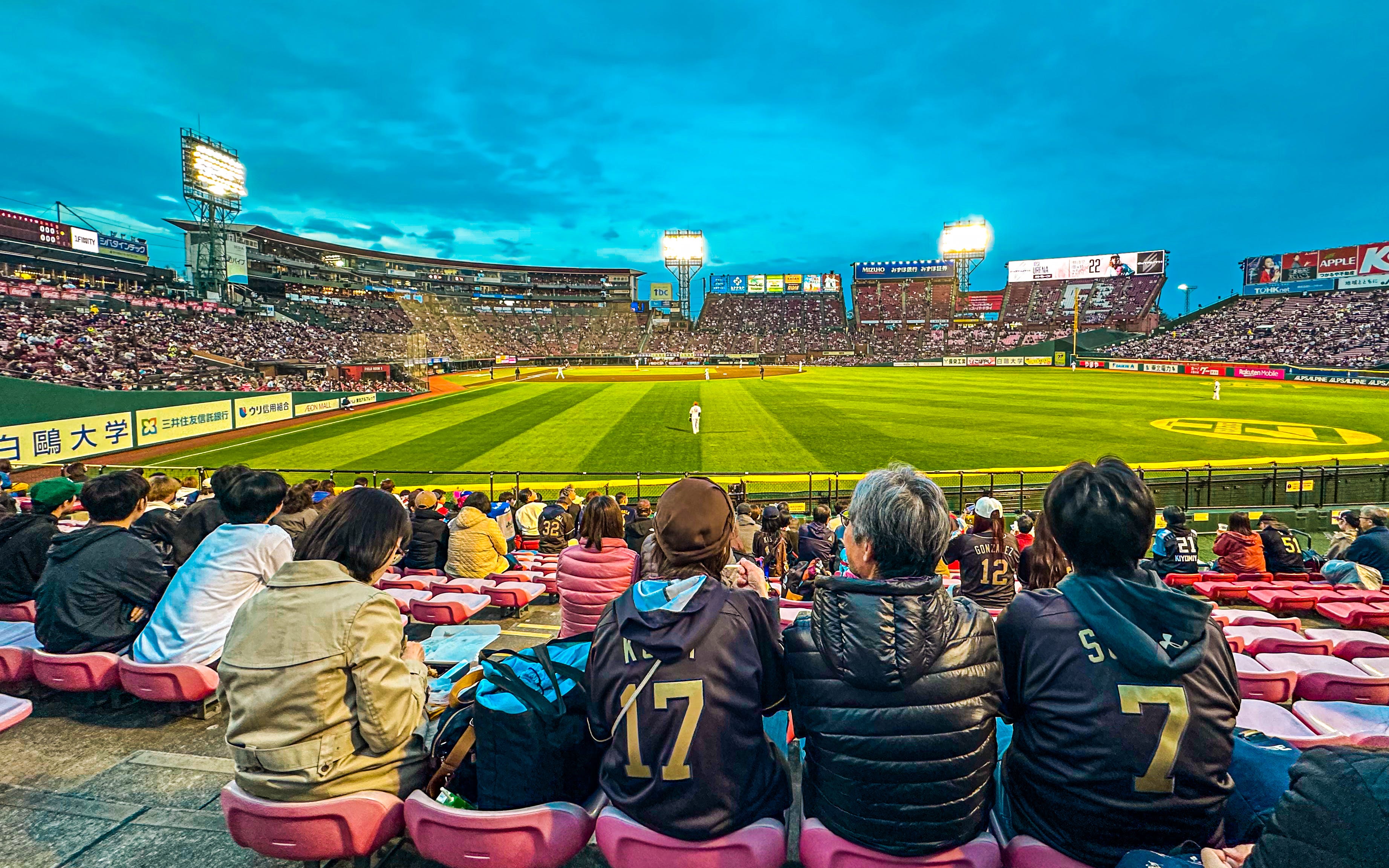
We went to our first baseball game in Japan last week when the Sendai team, the Rakuten Eagles, faced off against the Hokkaido team, the Nippon-Ham Fighters. Unfortunately, the Eagles gave up four runs in the 7th inning to lose after being up all game, but it was a very fun experience.
There was a lot of cheering from the competing fan sections throughout the game. It was also distinct from US baseball in its organized “events” — the Lucky 7th Inning balloon release, or the player-specific cheers that are sung the entire time a player is at bat.
I’d recommend attending a game if you’re visiting Japan. It’s a unique window into sports culture here.
Theme for next week | A world of color
Stunning photos!! What gorgeous cherry blossoms and scenery!!