Photography #0
Old Sights and Explorations

Hello Readers!
My first photography post is not going to have a theme since I’ve only had 3 days in the country and most of it has been in transit. Therefore, this is an excellent opportunity to share from my collection of photos from prior visits to Japan.
In my travel photography, I will take the standard photos of major sites and landmarks, but the ones that I appreciate the most are the ones that capture the character of a place. They get at the moments that are appreciated only when you have slowed down and spotted a hidden detail or waited to catch a fleeting moment. So, I’m sharing the photos you won’t typically find on a Google search.
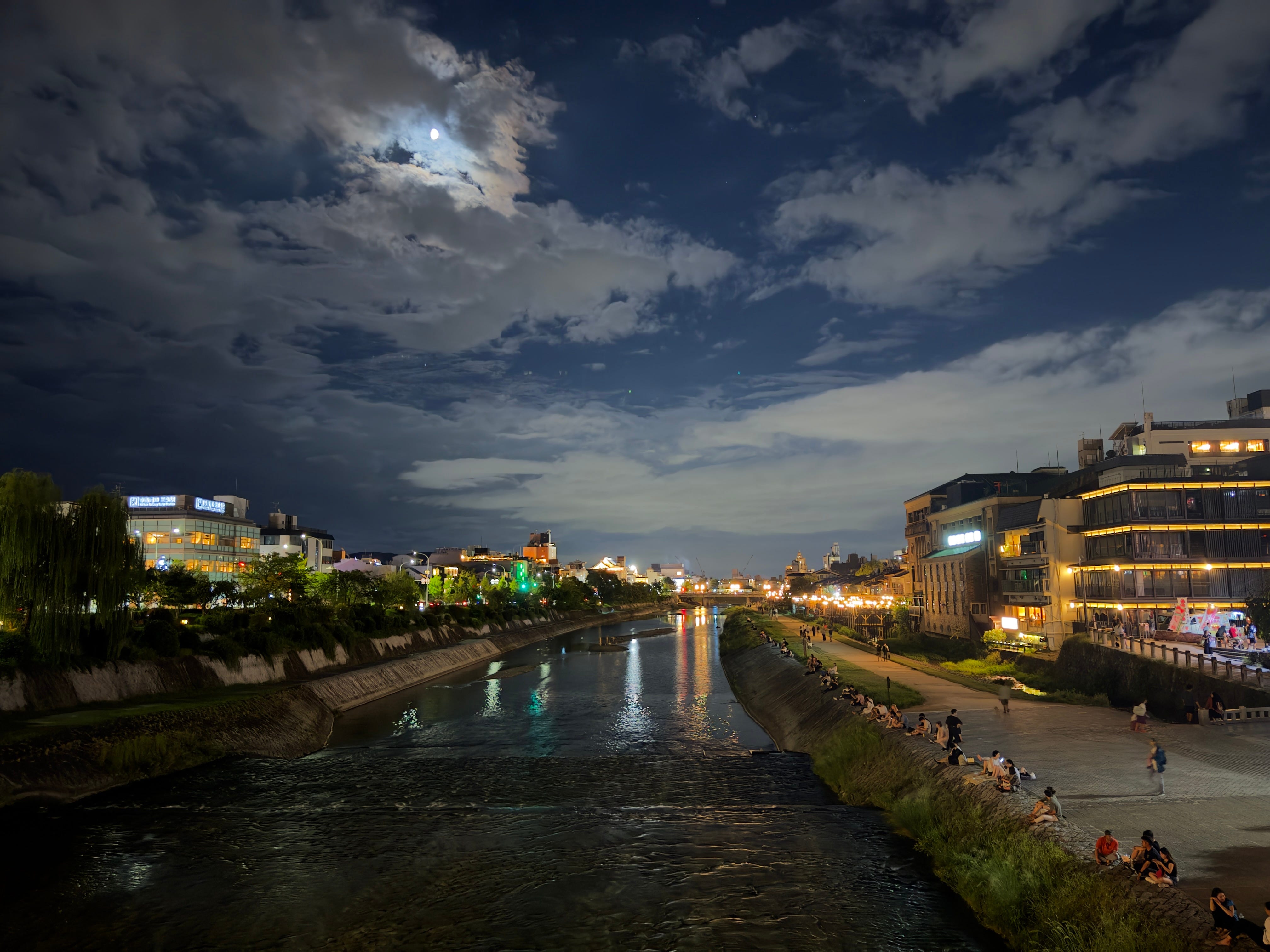
Kyoto, Kyoto Prefecture
The old capital of Japan until the Meiji revolution in 1868. I visited in 2017 with my brother and then again with Emily in 2024 during our honeymoon - both when the city was insanely hot and humid so I would love to go in late autumn when the colors are changing and temperature is cool. This city is one of my favorites in Japan despite often being overrun with other tourists (I’m the problem its me). I love it for the integration of nature and beauty into the urban design and the feel of ancient history with every corner you turn. Old temples and palaces are maintained using the same production techniques in ancient history because the Japan government continues to employ and pay for restoration using traditional methods with a few artisans who keep the old ways alive.


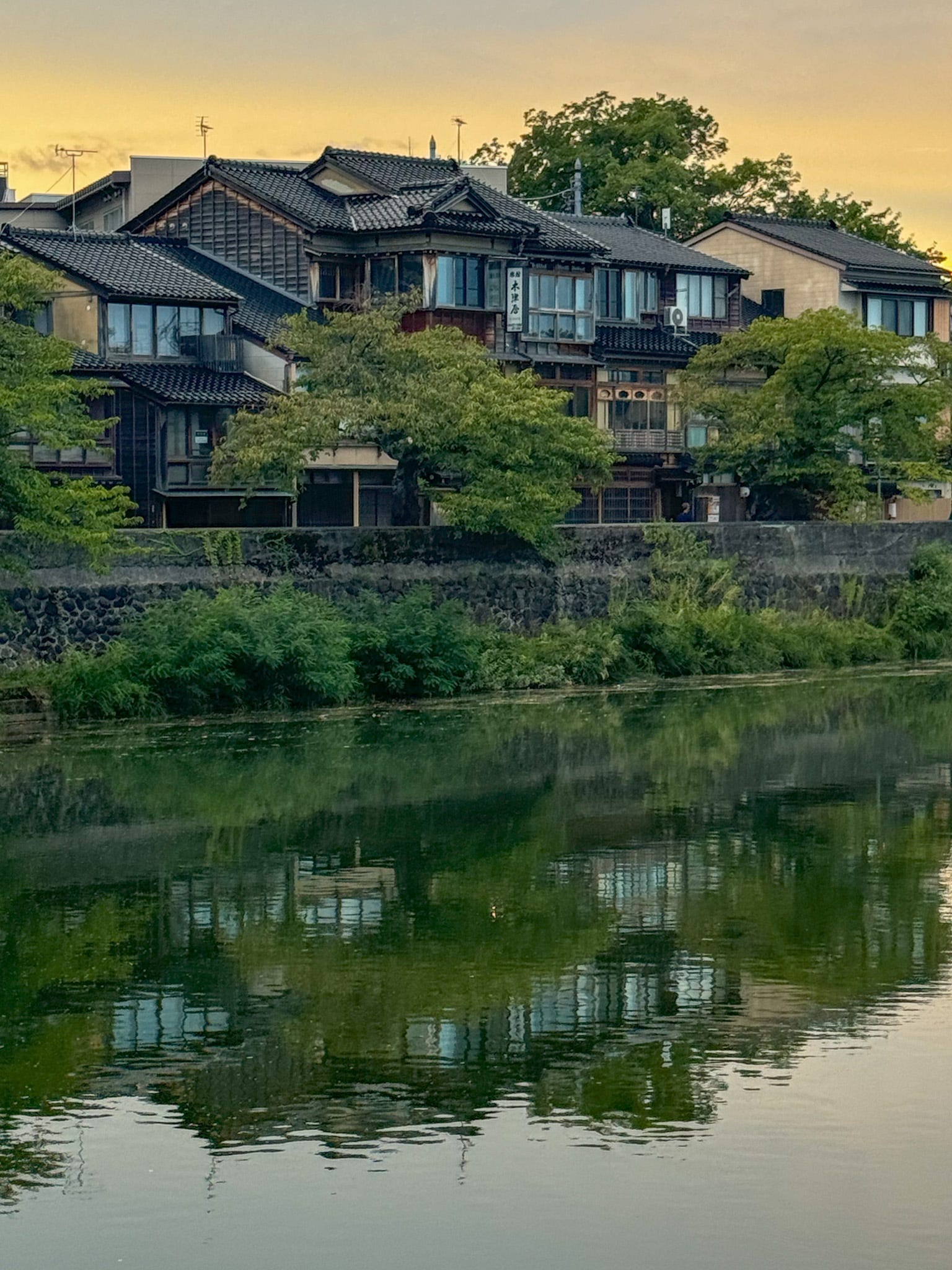
Kanazawa, Ishikawa Prefecture
A center of political and economic power in the Edo era that resulted in the development of significant craftsmanship (of many different varieties), tea ceremonies, and gold-leaf decoration. The upper class of Samurai, especially the Maeda family, fortified the city with numerous castles and one of the most famous gardens in Japan (Kenrokuen). During our visit in 2024, I loved how green the city was and that everything felt like it was done with creative expression in mind.


Otaru, Hokkaido Prefecture
A small coastal city on the western shore of Hokkaido that is known for its fresh seafood, historic architecture from the Meiji era, and glass crafts. We only had 24 hours in this small city, but it had beautiful old industrial vibes that made me think of steampunk adventures. Clocktowers out of the 1800s, gaslit lamps, and street corner grandfather clocks. When we walked the streets, we would dip into little shops to view cute glass-blown tchotchkes.


Asahikawa, Hokkaido Prefecture
One of the farthest north cities in Japan, Asahikawa felt to me like a smaller, Japanese version of Minneapolis. It is renowned for its zoo, and in the winter there is a daily walk of the penguins. Additionally, there are a great number of ramen shops and a snow festival that brings colorful lights and snow sculptures in the middle of winter. I had such a fun time exploring this city - my only regret was that I couldn’t take a day-trip to the nearby Lake Biei and Furano region which have beautiful nature to explore.


Tokyo, Tokyo Prefecture
Tokyo is the start and end of most trips to Japan, making it the gateway of Japan. It has a big character of its own and puts on the brightest show for tourists. However, where New York is loud and brash, Tokyo feels more muted to me. It has high density of people, bright lights, and dense buildings stretching up to the sky, but go out a couple streets and you can find quiet neighborhoods. Street noise is surprisingly quiet because there is much less car-usage per person. Here, you will find instagram-worthy food and beverages of all sorts, the highest density of restaurants in the world, and so much to do that there is always someplace new to explore. While I love the availability of everything in Tokyo, I miss the intimacy and ruggedness found elsewhere in Japan.


Next up: “Water, Ice, & Snow”
I will be aiming to capture winter while I am in Niseko. There is an abundance of snow and ice, and I want to explore the different ways of conveying water’s states and transitions.