Photography #2
Trains in Motion

We rode on so many trains this past week! We took the Shinkansen (high-speed rapid transit) south from Hokkaido to Sendai, then shuttled back and forth between Sendai and Tokyo multiple times, and relied on local rail transit daily in each city. Across all of it, Japan’s train system proved itself efficient, clean, and remarkably dependable.
Emily and I also demonstrated our reliable talent for arriving at the exact last moment—a skill we both honed in airports during our consulting days. On one trip, we were especially behind schedule and had to choose between two platforms. Fortunately, my “educated” guess paid off.
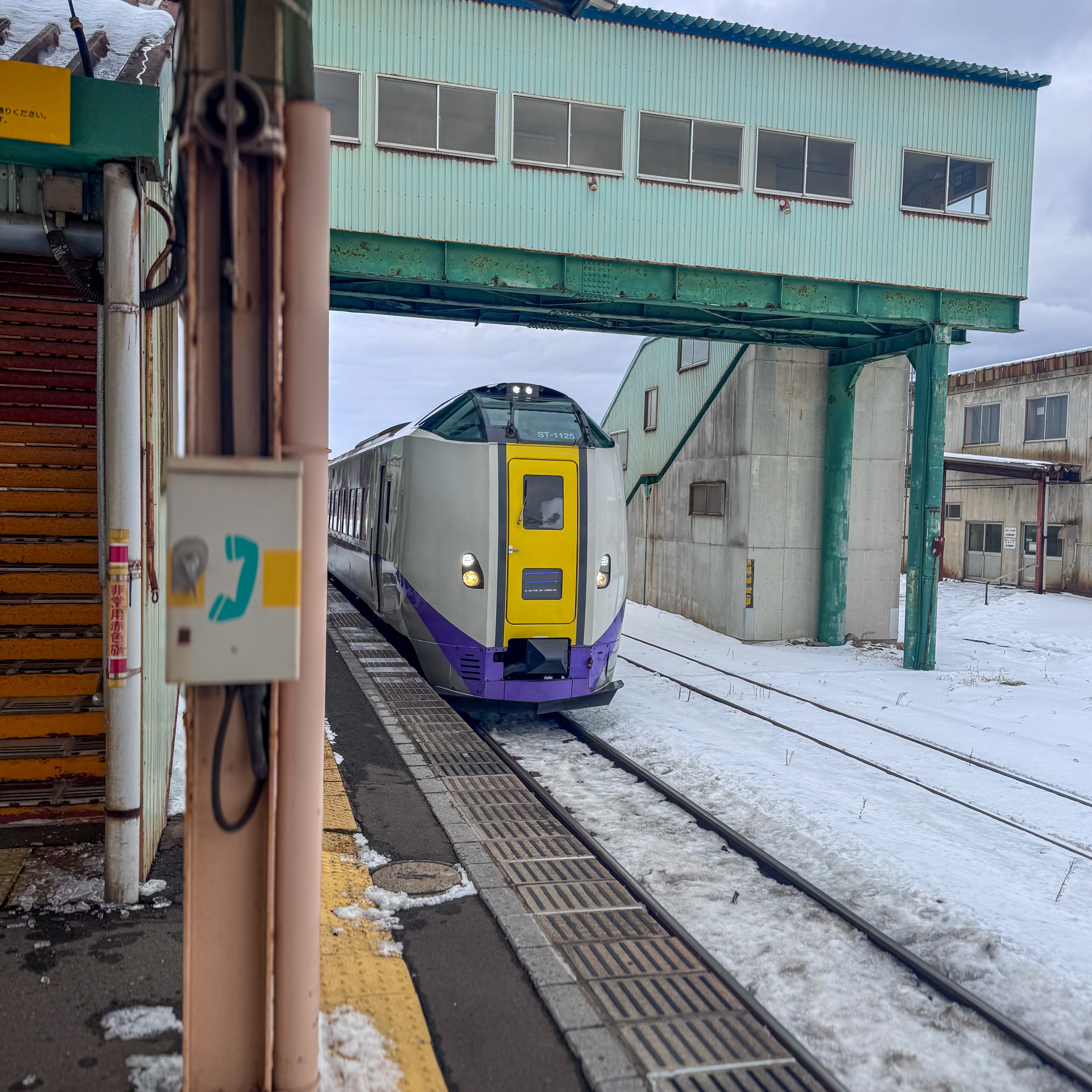
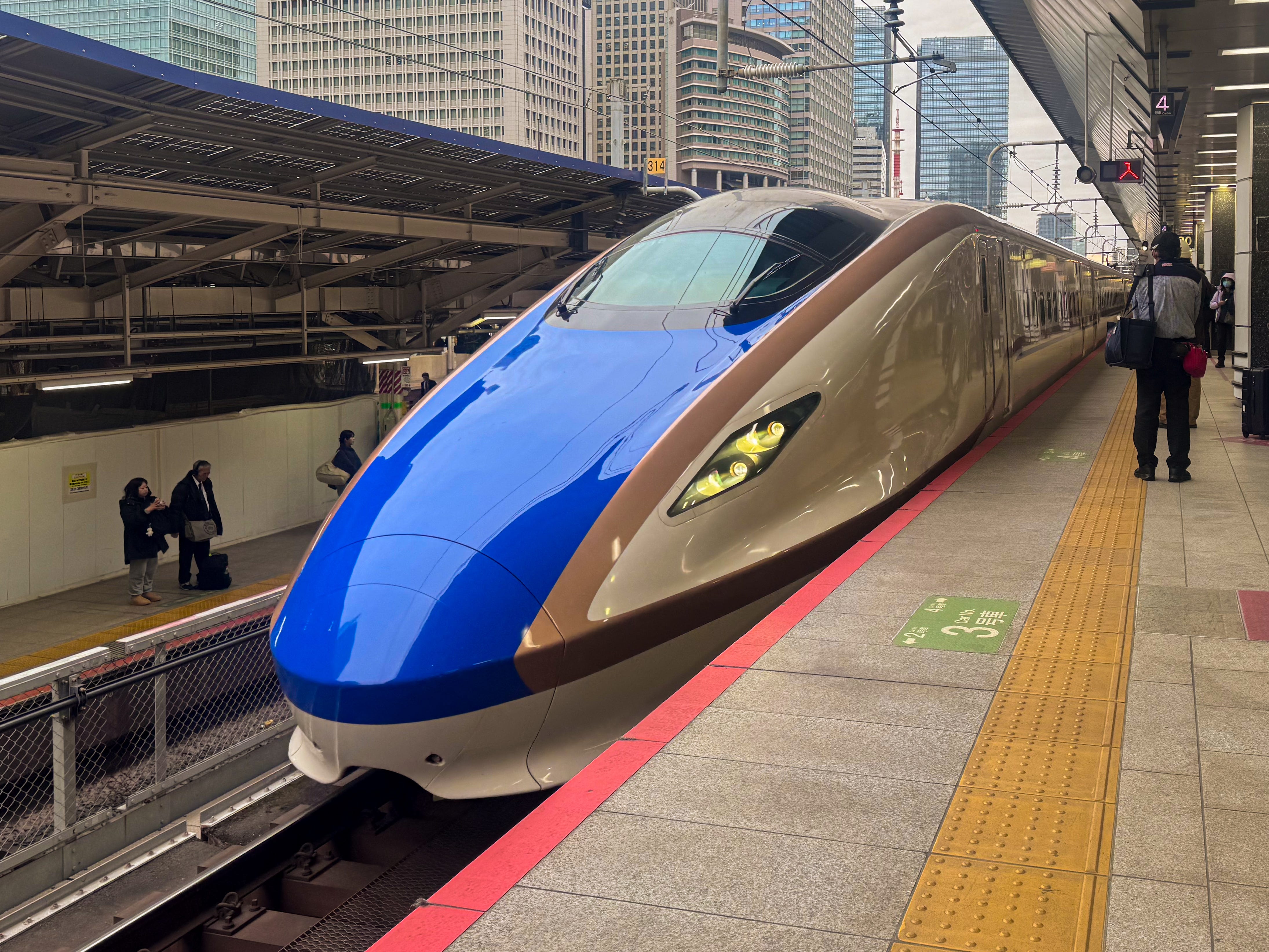
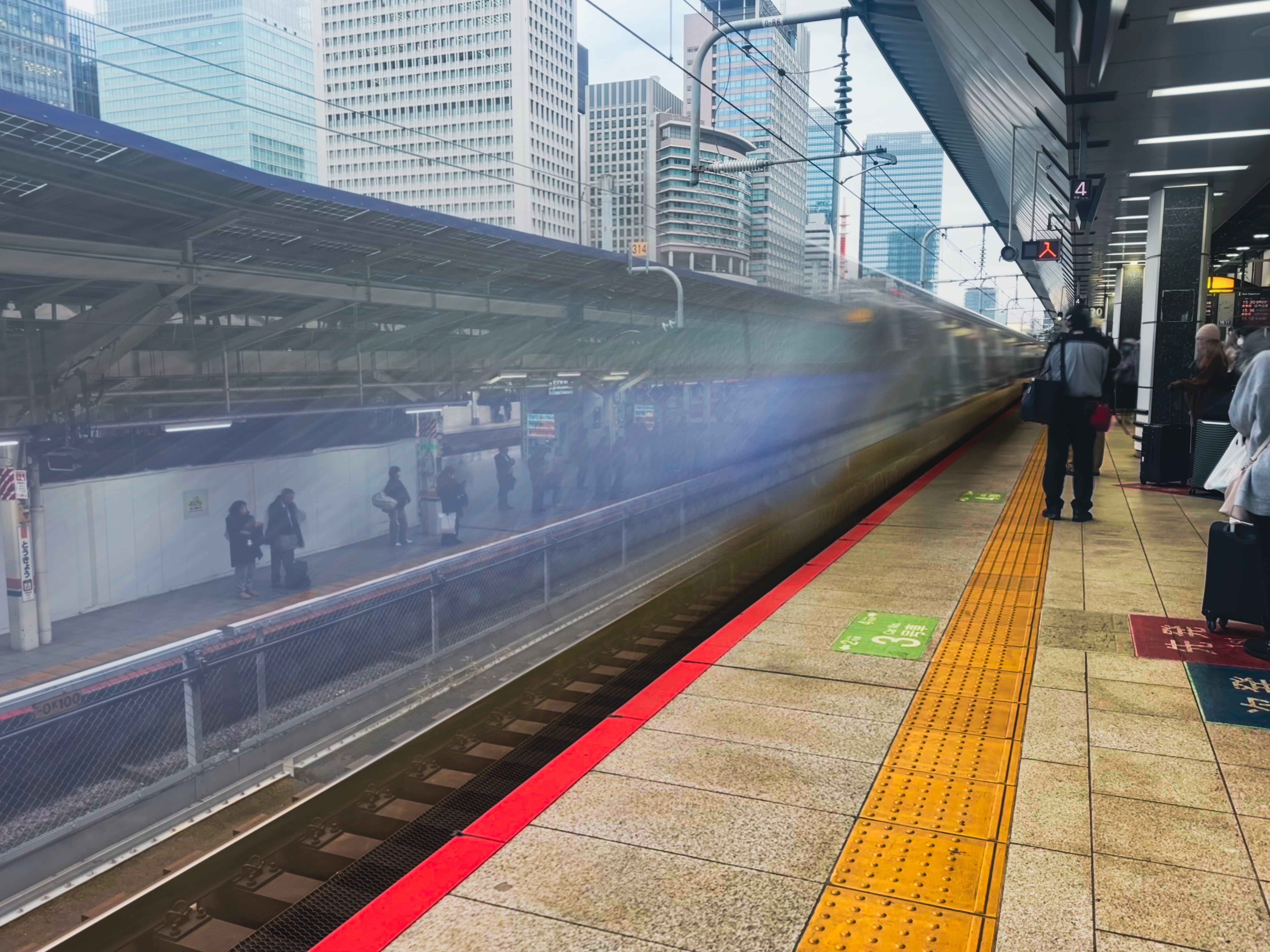
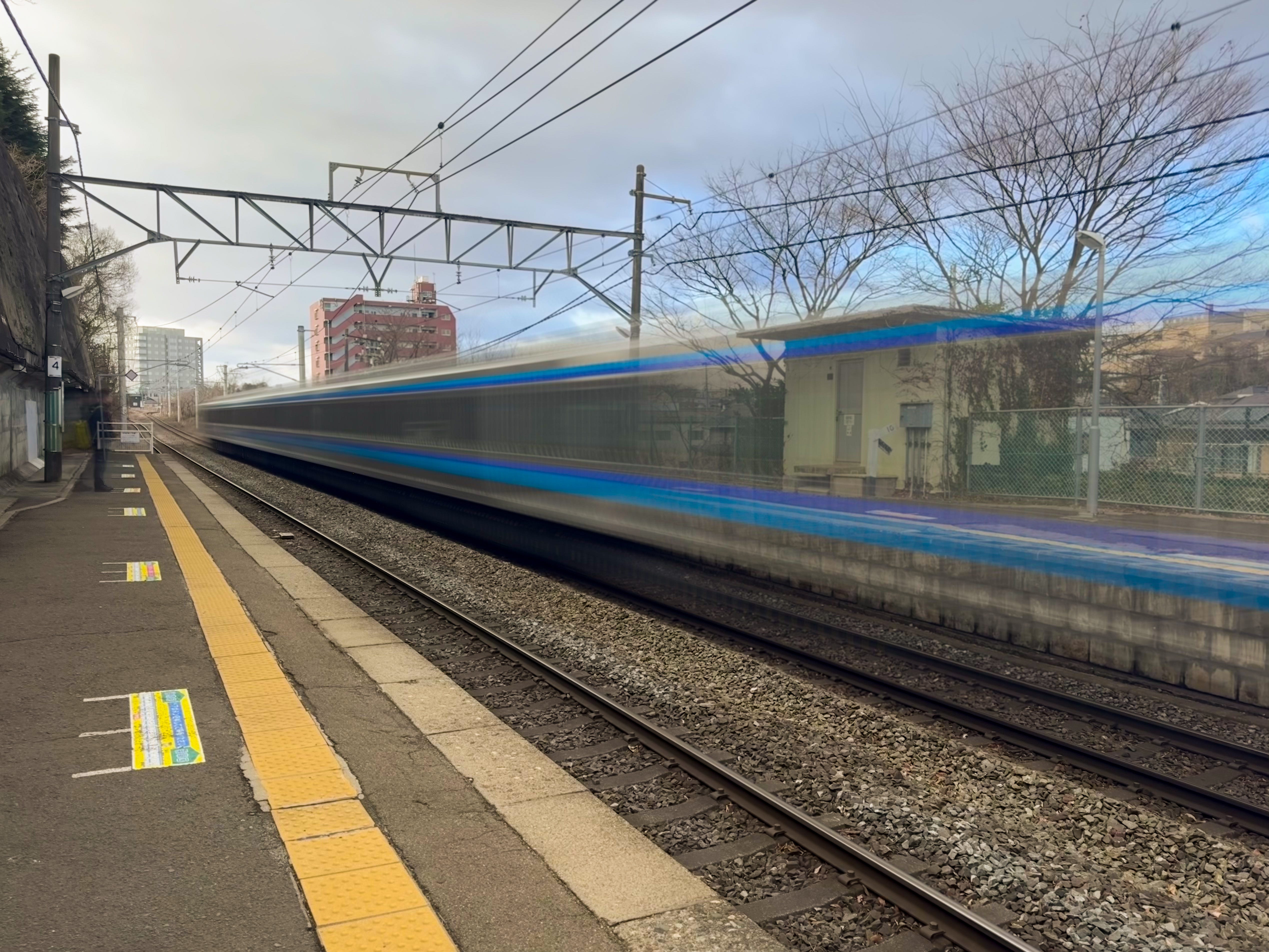
For this week’s photo theme, “Trains in Motion,” I set out to capture motion blur as trains pulled into stations and thundered past on elevated tracks. The results, however, fell short of what I had envisioned. I am happy with the photos of stationary trains and their colorful faces but there is still more technique I can learn here.
To keep the front of a train sharp while the rest blurs, you have to pan smoothly with its movement—something far more difficult in practice than in theory. It is a technique I will have to revisit.
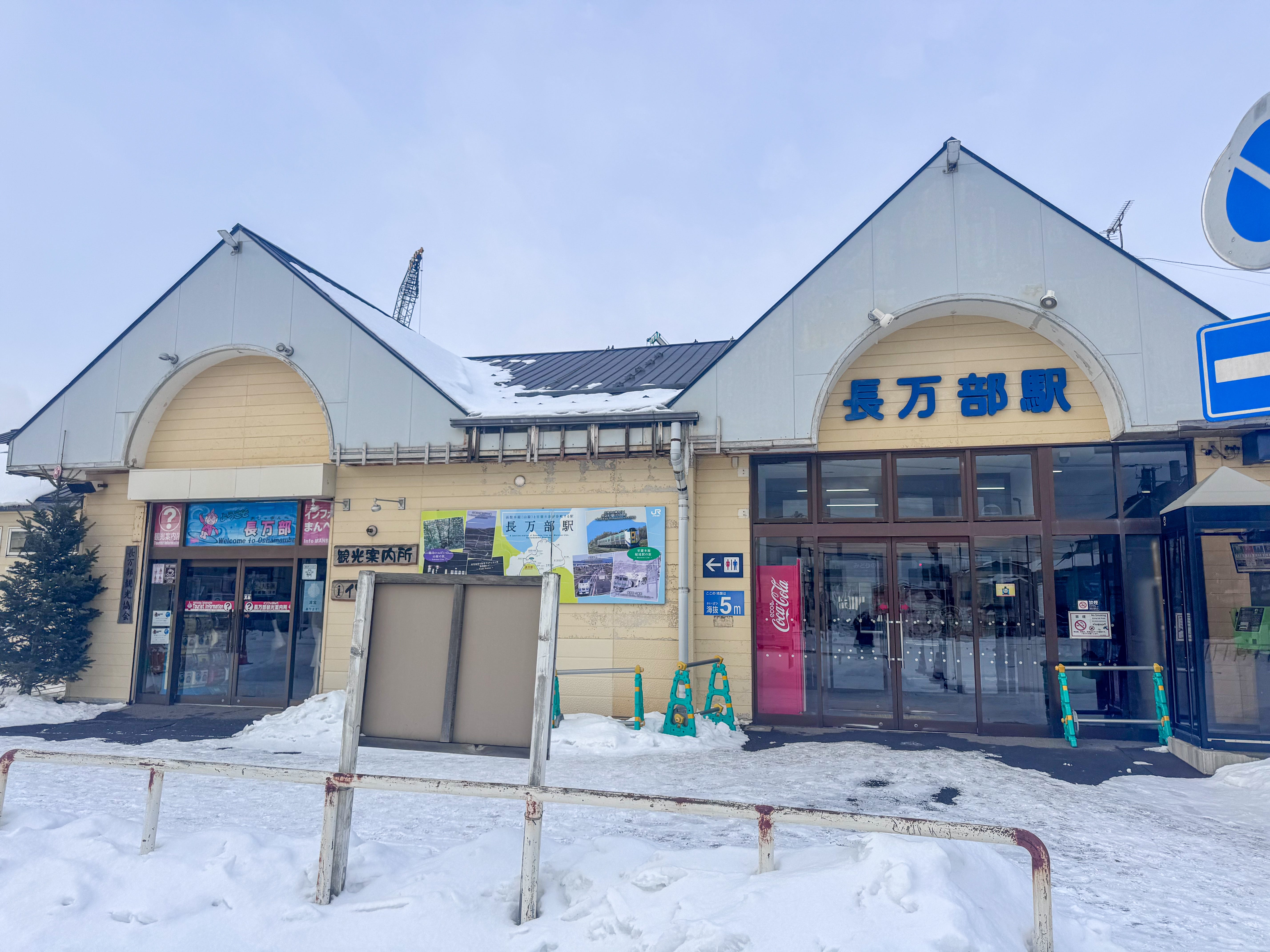
Our train journey back from Hokkaido began at Oshamambe Station, a small, out-of-the-way town that sees more traffic in summer thanks to nearby surfing beaches which is hard to imagine now, buried under snow.
Ski towns like Niseko thrum with life in the early morning as boarders race out to catch the early morning powder runs. This morning in Oshamambe, there was a tangible stillness. The sound of crows cawing in the background were the only noise that broke the quiet air. Lazily, cars would meander down the one main road in front of the station. As I strolled to the nearby bento shop, I passed closed shopfronts and shuttered windows.
From here, we transferred to the local line that carried us from Niseko to Shin-Hakodate. Shin-Hakodate is where the Shinkansen connects Hokkaido to the rest of Japan. A roughly 50-kilometer underwater tunnel links the island to Honshu, enabling high-speed travel between the two. Japan is currently extending the Shinkansen north to Sapporo, a massive infrastructure project that, by some estimates, may not be completed until 2035–2040.
~ Haiku Break ~
Unknown faces blur
Metal capsules slice through air
Gateways to explore
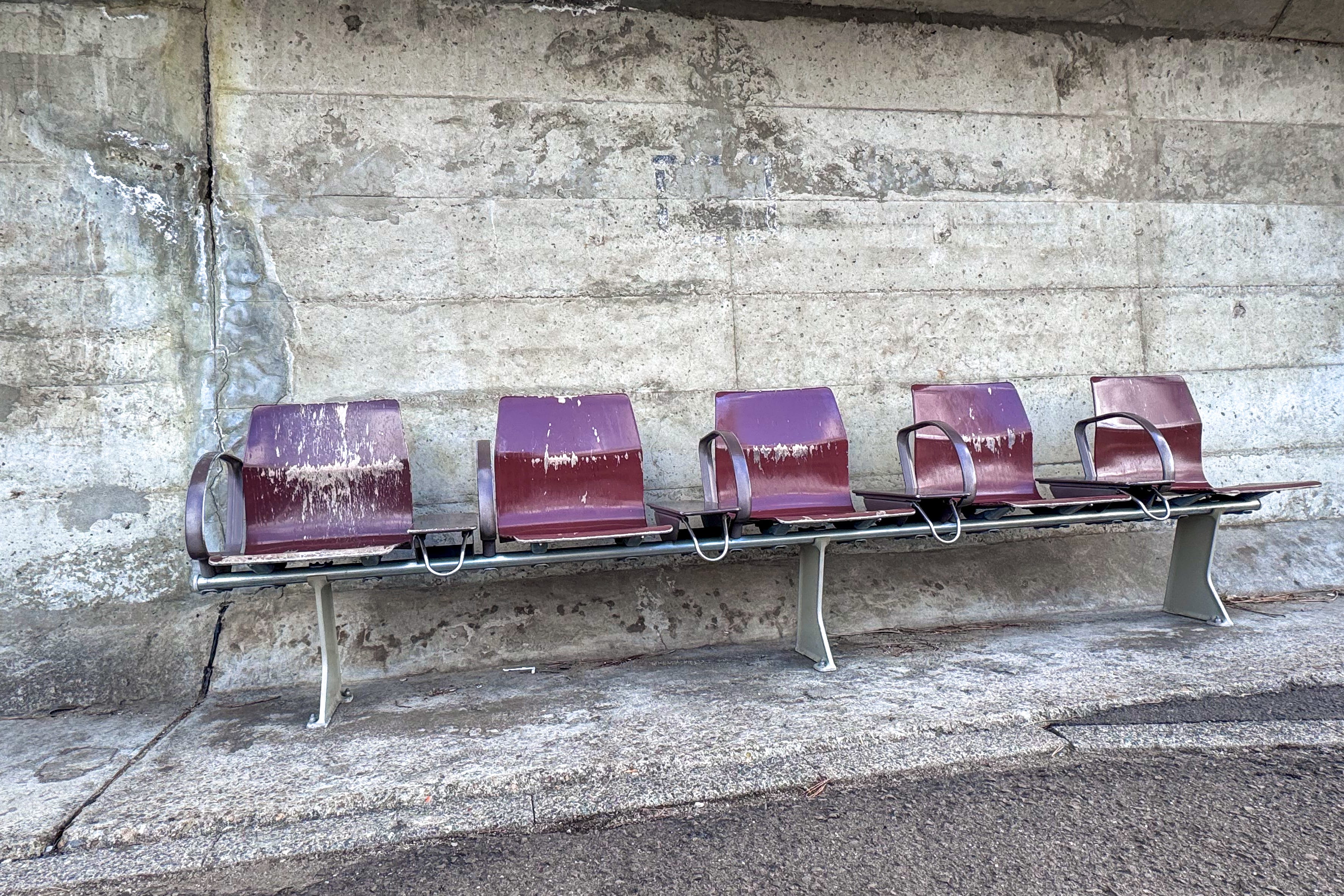
In Sendai, we stayed outside the city in a small town called Shiogama. There was no major station, just an outdoor platform with worn chairs where we waited in the brisk air for the next train to roll in. It stood in stark contrast to Tokyo’s vast stations and Sendai’s main hub, with its sprawling mall complex built directly above the tracks.
Local trains tracks stretch above ground towards the farther reaches of the line, allowing sunlight through the windows during the day or views of the twinkling skyline at night. As these tracks converge on the city center, they dive underground, speeding through a network of dark, intertwining tunnels of various crisscrossing train lines. Bright station lights burst through the windows as trains enter a clean platform, passengers exiting to merge into the hustle of commuters transferring lines.
Most days, we took the train into the city around midday to work at a café or explore the downtown malls. In the evenings, we rode home alongside commuters returning from long workdays. The trains moved in near silence, the cars filled with people plugged into their phones. Heated seats made for prime real estate.
~ A personal aside on public transit ~
Why does Japan possess such strong public transit infrastructure?
I reflect on this question daily as I experience the contrast between Japan and the US. Riding transit in Chicago feels fundamentally different. I enjoy taking the trains in Tokyo in a way that I am not sure I could ever see myself enjoying in Chicago. There are real missed opportunities in US public transit that could make our cities much more livable and affordable.
I have arrived at three working hypotheses for what has led to the big gap in experience, although I am sure there are easily many more drivers beyond this list for the disparity.
Japan has a significantly higher number of daily commuters.
Higher ridership generates higher revenue, which can be reinvested into infrastructure and the rider experience. There is a chicken-and-egg question here — ‘does quality drive demand, or does demand fund quality?’— but either way, it helps explain the current state of transit in modern Japan and a gap to the US. It is really hard for Chicago to recover riders when numbers have plummeted and there is insufficient funding to improve experience.
Improved rider experience sustains demand.
Cleanliness, safety, and reliability matter to riders. Part of success here is structural: transit operators allocate more resources to maintenance and operations, enabled by higher revenues and greater government transit investment. But a large part, in my view, is cultural. On Chicago’s CTA, it is common to see chicken bones, cigarette butts, trash, and even bodily waste left on trains. That visible disorder erodes trust in the system and drives riders away, reinforcing a downward spiral. In Japan, by contrast, strong social norms around public behavior and not inconveniencing others make these kinds of actions far less common. Littering or defacing shared space carries real social stigma, and riders largely self-enforce those expectations.
Japanese cities are designed around stations, not cars.
Each station anchors a dense cluster of housing, daily-need shops, and restaurants/entertainment. This creates a virtuous cycle: more housing near transit increases ridership; higher ridership creates economies of scale; stations become thriving, distributed centers across the city. Traffic congestion is lower, and street noise is reduced because far fewer people rely on cars.
So what does this lead to and why would cities desire this?
Taken together, these factors produce a public transit system that performs well across key metrics of reliability, punctuality, and financial sustainability. That, in turn, supports higher-density cities, which are critical for long-term economic growth, while maintaining more affordability across income levels.
Achieving this, however, requires intentional city planning and durable public–private partnerships. It is not easy. It demands a combination of deregulation, rezoning, and long-term political commitment.
Perhaps it is time to expand our vision and reimagine what the long-term future of what public transit in US cities could be.
Theme for next week | Neon nights: light and shadow